The animal kingdom is filled with fascinating and sometimes fearsome creatures. This is an exploration into the top 10 dangerous animals globally, exploring their habitats, unique behaviors, and the scientific insights that make them stand out in the wild.
10- Mosquito
A close-up image of a mosquito. Credits: Wikimedia/James Gathany
Geographic Location: Mosquitoes are found worldwide, with a higher frequency in tropical and subtropical regions with humid and warm conditions.
Dangerous Features: Despite their small size, mosquitoes are considered one of the deadliest animals on Earth due to their role in transmitting diseases, including malaria, dengue fever, Zika virus, and West Nile virus.
Scientific Insights: The study of mosquitoes has led to critical advancements in understanding disease transmission and developing strategies for control and prevention. The Centres for Disease Control and Prevention (CDC) and some research groups are developing tools and approaches to better prevent, detect, and control mosquito-borne diseases, mitigate drug and insecticide resistance, and accelerate progress toward disease elimination.
9- Saltwater Crocodile
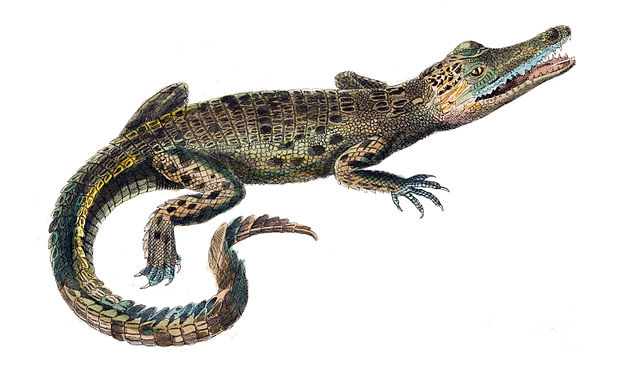
A Saltwater Crocodile lying in wait. Credits: Wikimedia/Cuvier
Geographic Location: Saltwater Crocodiles are found in the Indo-Pacific region, from the eastern coast of India throughout Southeast Asia and northern Australia.
Scientific Insights: Research on Saltwater Crocodiles has shed light on their impressive adaptability, showing how they can live in freshwater and brackish waters. Studies have also explored their sophisticated behavior, such as using tools for hunting, revealing a level of intelligence previously underestimated in reptiles.
8- African Elephant
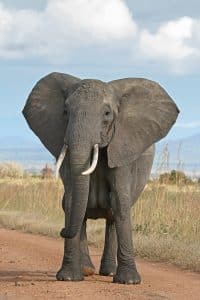
An African Elephant in the savannah. Credits: Wikimedia/Muhammad Mahdi Karim
Geographic Location: African Elephants can be found throughout sub-Saharan Africa in forests, deserts, and savannas.
Dangerous Features: African elephants can weigh up to 14,000 pounds, being considered the largest land animals on Earth. Human-elephant conflicts have risen due to habitat encroachment. Some international organizations for animal welfare have shown the challenges and strategies for coexistence, revealing the importance of conservation efforts to ensure the safety of humans and elephants.
Scientific Insights: Studies on African Elephants have greatly contributed to our understanding of animal intelligence, communication, and social behavior. Some studies into their memory and cognitive abilities have shown that elephants are capable of empathy and self-recognition, challenging our perceptions of animal consciousness.
7- Box Jellyfish
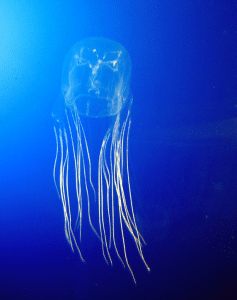
A Box Jellyfish swimming in the ocean. Credits: Wikimedia/Guido Gautsch
Dangerous Features: The Box Jellyfish is considered the world’s most venomous marine animal. Its tentacles can inject venom capable of causing heart failure, severe pain, and death within minutes.
Scientific Insights: Research into Box Jellyfish venom has led to a better understanding of its composition and mechanism of action, providing insights into potential antidotes.
6- Cape Buffalo
A herd of Cape Buffalo. Credits: Wikimedia/Ikiwaner
Geographic Location: Cape Buffaloes can be found throughout sub-Saharan Africa, mainly in savannas.
Dangerous Features: This subspecies of the African buffalo is known as the “Black Death,” its unpredictable nature makes it highly dangerous to humans. They are incredibly resilient and capable of defending themselves against predators like lions. Buffaloes are social animals, forming large herds that fiercely protect each other.
Scientific Insights: Studies on Cape Buffaloes have contributed to understanding herd dynamics and social behavior in wild animals. These animals can spread diseases to humans, including foot-and-mouth disease and bovine tuberculosis. Some animal welfare organizations in Africa have been working together with local communities to achieve a proper balance between these animals and humans.
5- Polar Bear
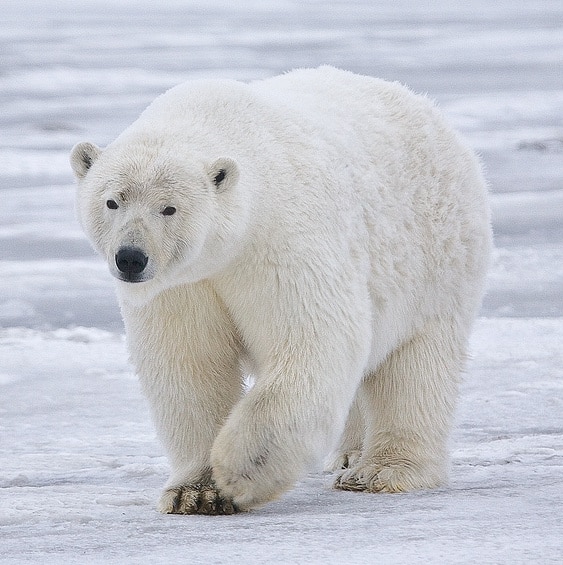
A Polar Bear on the Arctic ice. Credits: Wikimedia/Alan Wilson
Geographic Location: Polar bears are found in the circumpolar north, roaming the ice-covered seas of Canada, Russia, Alaska (USA), Greenland, and Norway.
Dangerous Features: Polar bears are the largest land carnivores, weighing up to 1500 pounds. They are powerful swimmers and can detect prey up to a mile away. Polar bears are known for their strength and have no natural predators, making them apex predators in their environment.
Scientific Insights: Research on polar bears has highlighted their specialized adaptations to cold environments, including their insulating fur, black skin for absorbing heat, and a layer of fat for warmth. Climate change and diminishing ice cover have led to increased human-bear encounters. Some environmental researchers described the impact of environmental changes on polar bear behavior, highlighting the growing concern for both bear conservation and human safety.
4- Australian Saltwater Crocodile
An Australian Saltwater Crocodile close-up. Credits: Wikimedia/Bernard DUPONT
Geographic Location: Australian Saltwater Crocodiles are found in the northern regions of Australia, Southeast Asia, and India, inhabiting rivers, estuaries, and mangroves.
Dangerous Features: The Australian Saltwater Crocodile is the world’s largest living reptile, reaching lengths of more than 23 feet. With a history of fatal attacks on humans, understanding these creatures is crucial for minimizing risks. Some studies offer some guidance regarding their habitat preferences and behavior patterns, allowing a better understanding of how to coexist with these ancient reptiles.
Scientific Insights: Studies about these animals have provided valuable information on their evolution, showing how they have remained virtually unchanged for millions of years. Interestingly, these animals have a potent innate immune system because their blood contains high levels of antimicrobial peptides, offering potential insights into new antimicrobial agents.
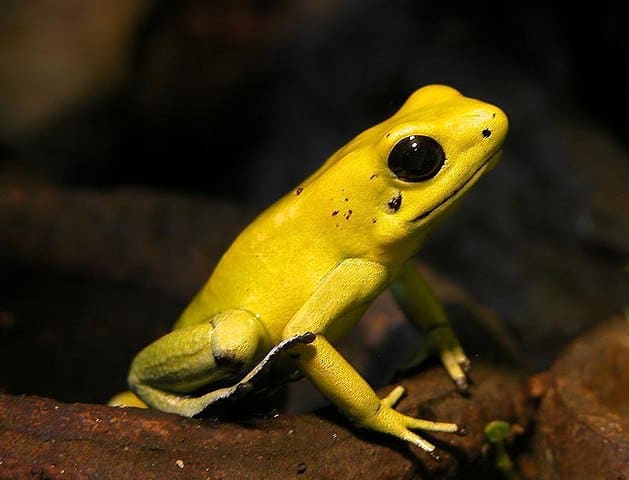
3- Golden Poison Frog
A Golden Poison Frog on a leaf. Credits: Wikimedia/Wilfried Berns
Geographic Location: The Golden Poison Frog is native to the Pacific coast of Colombia, inhabiting the rainforest floor.
Dangerous Features: This small frog, measuring just over an inch in length, carries enough venom to kill ten adult humans, making it one of the most poisonous animals in the world. The indigenous people of Colombia have used its potent venom for centuries to poison the tips of their blow darts.
Scientific Insights: The toxic compounds present in the Golden Poison Frog venom come from sources including their diet, skin glands, or symbiotic microorganisms. Studies highlighted the chemical composition of this poison. They revealed that a potent painkiller, more efficient than morphine, was developed from the isolation of chemical compounds present in this poison, highlighting the relevance of these animals for the environment and the discovery of new drugs.
2- Tsetse Fly
A Tsetse Fly perched. Credits: Wikimedia/Alan R Walker
Geographic Location: Tsetse flies are primarily found in sub-Saharan Africa, thriving in rural, wooded areas.
Dangerous Features: Tsetse flies are notorious for spreading African trypanosomiasis, also known as sleeping sickness, which can be fatal if not treated.
Scientific Insights: The World Health Organization has published extensive research on the disease’s transmission, emphasizing the importance of controlling fly populations to prevent outbreaks. Scientists are exploring several innovative control methods, including genetic modification and the use of sterile insect techniques, to reduce tsetse fly populations and curb the spread of sleeping sickness.
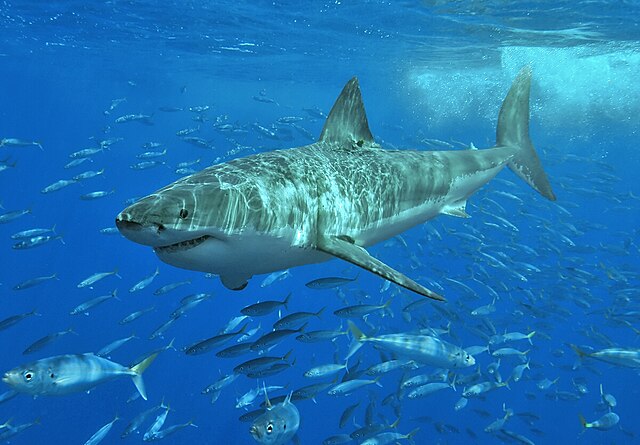
1- Great White Shark
A Great White Shark swimming in the ocean. Credits: Wikimedia/Pterantula (Terry Goss)
Geographic Location: Great White Sharks are globally distributed in temperate, sub-tropical, and tropical waters, mainly in the Indian, Atlantic, and Northeast Pacific Oceans.
Dangerous Features: Great White Sharks are known for their size, with some individuals growing up to 21 feet in length and weighing up to 4500 pounds. They possess several rows of sharp, serrated teeth capable of inflicting significant harm to their prey.
Scientific Insights: Scientific studies have revealed that Great White Sharks are intelligent and curious creatures. Research into their hunting strategies has shown that they are not the mindless killers often depicted in media since it has been suggested that most shark attacks are cases of mistaken identity, advocating for a balanced view of these majestic ocean predators.
Understanding these animals requires a blend of respect, caution, and knowledge. Each creature, dangerous in its own way, plays a crucial role in its ecosystem. This exploration of animals serves to warn, educate, and foster a deeper appreciation for the natural world’s complexity. By respecting their habitats and recognizing potential danger signs, we can coexist with these remarkable animals in mutual respect and fascination.
Copyright @smorescience. All rights reserved. Do not copy, cite, publish, or distribute this content without permission.
Join 20,000+ parents and educators
To get the FREE science newsletter in your inbox!
SUBSCRIBE TO OUR NEWSLETTER
.......... ..........
Subscribe to our mailing list to get updates to your email inbox.