A Butterfly Hidden in Plain Sight: Scientists Discover a Third Look-Alike Species
For more than 200 years, scientists believed that only two closely related
butterfly species belonged to the genus Colobura. Now, researchers have
identified a third species hiding among them.
The newly described butterfly is named Colobura cryptica.
Its discovery shows how difficult it can be to tell similar-looking
animals apart, even after scientists have studied them for generations.
How Scientists Discovered a New Butterfly Species
The discovery began when researcher Andrés Orellana noticed unusual
caterpillars in Venezuela. They were feeding on young Cecropia trees,
plants commonly found in tropical forests.
The caterpillars looked similar to those of known Colobura butterflies,
but there was an important difference. They lacked small cream-colored
markings found on the caterpillars of the other known species.
This observation led researchers to investigate whether they were
looking at a species that science had not yet formally recognized.
Did you know?
Caterpillars can provide important clues about butterfly identity.
Scientists do not always need to study adult butterflies alone
to recognize differences between species.
What Makes Colobura cryptica Different?
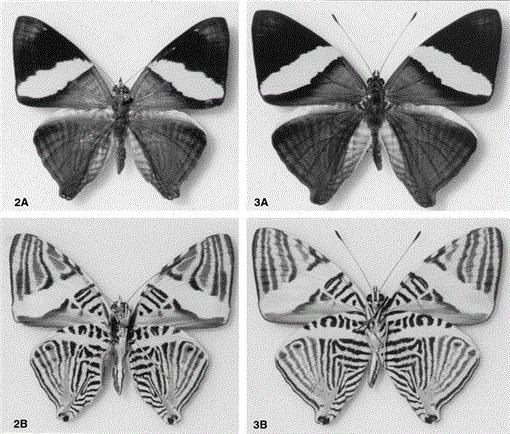
At first glance, the newly identified butterfly looks very similar
to its relatives. This is one reason it remained unrecognized for
so long.
Researchers compared the caterpillars and adult butterflies to look
for differences. The caterpillar markings provided one important clue,
while the adult wing patterns offered additional evidence.
The findings helped researchers distinguish the new species from
the two previously recognized Colobura species.
How DNA Helped Confirm the New Butterfly Species
Scientists used several methods to compare the butterflies. They studied
the appearance of caterpillars, examined adult wing patterns and analyzed
DNA.
DNA barcoding helps researchers compare short sections of genetic material
to identify differences between organisms. The researchers also examined
ultraviolet light patterns on the butterflies’ wings using special
measuring equipment.
Together, these findings supported the recognition of
Colobura cryptica as a distinct species.
Why This Butterfly Discovery Matters
Finding a new species does not always mean discovering an animal that
looks completely different from everything known before. Sometimes,
a new species has been hiding in plain sight because it looks almost
identical to another one.
Discoveries like this help scientists understand biodiversity and improve
our knowledge of tropical forest ecosystems. They also show why studying
DNA, behavior and different stages of an animal’s life can be important.
What Scientists Still Don’t Know
Scientists are still investigating how the three Colobura species differ
in their habitats and behavior. They have also raised questions about
whether ultraviolet wing patterns help the butterflies recognize one
another.
These possibilities need further research. For now, the discovery of
Colobura cryptica reminds us that nature can still hold surprises
in places scientists thought they already understood.
Scientific Research Behind the Discovery
Read the original scientific research:
Zootaxa – Scientific description of Colobura cryptica
Test Your Knowledge: Butterfly Discovery Quiz
Choose the best answer for each question.