Scientists Discover a Hidden Butterfly Species After 200 Years
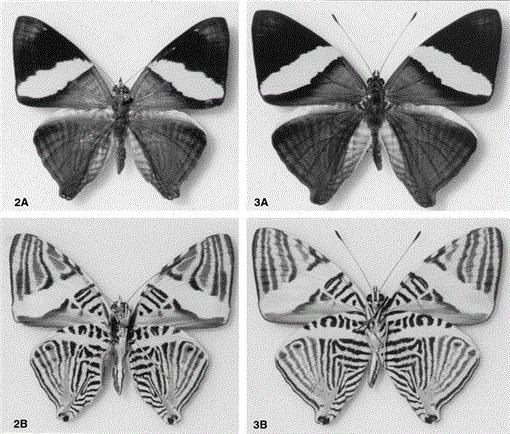
A Butterfly Hidden in Plain Sight: Scientists Discover a Third Look-Alike Species For more than 200 years, scientists believed that only two closely related butterfly species belonged to the genus Colobura. Now, researchers have identified a third species hiding among them. The newly described butterfly is named Colobura cryptica. Its […]

Scientists Discover a Hidden Butterfly Species After 200 Years Read More »

A Butterfly Hidden in Plain Sight: Scientists Discover a Third Look-Alike Species For more than 200 years, scientists believed that only two closely related butterfly species belonged to the genus Colobura. Now, researchers have identified a third species hiding among them. The newly described butterfly is named Colobura cryptica. Its
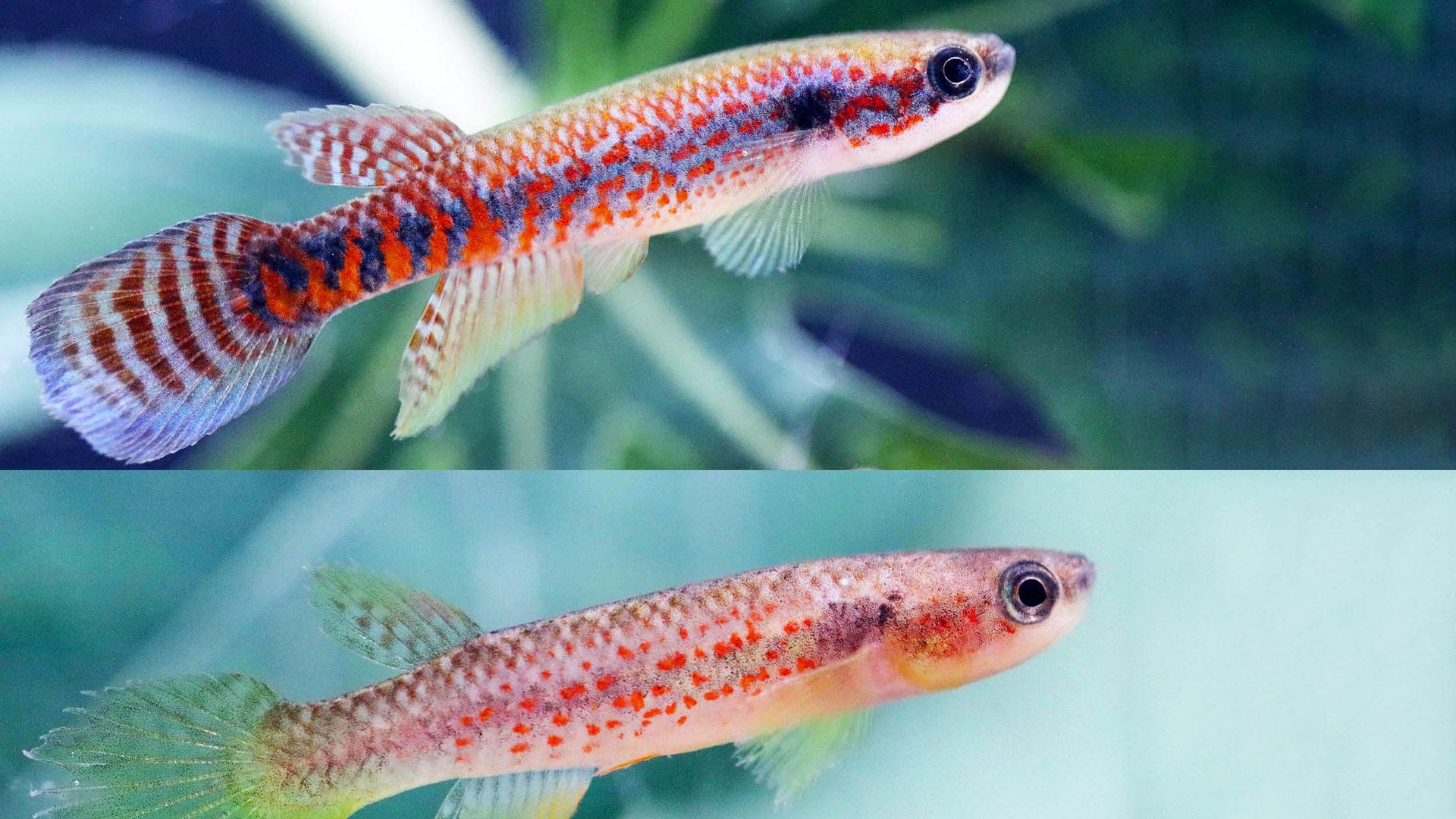
Scientists Discover a Tiny Orange Fish in the Amazon – It May Already Be Endangered

tiny orange fish

Scientists have discovered a tiny fish with bright orange markings in Brazil’s Amazon rainforest. Named Laimosemion laranja, it measures less than 3 centimeters long. But there is a worrying discovery: scientists have found it at only three locations, where its habitat faces serious threats. The researchers recommend that this little

Scientists Discover a Tiny Orange Fish in the Amazon – It May Already Be Endangered Read More »

Scientists have discovered a tiny fish with bright orange markings in Brazil’s Amazon rainforest. Named Laimosemion laranja, it measures less than 3 centimeters long. But there is a worrying discovery: scientists have found it at only three locations, where its habitat faces serious threats. The researchers recommend that this little

How Museum Frogs Helped Solve A 50-Year-Old Mystery of a Vanishing Population

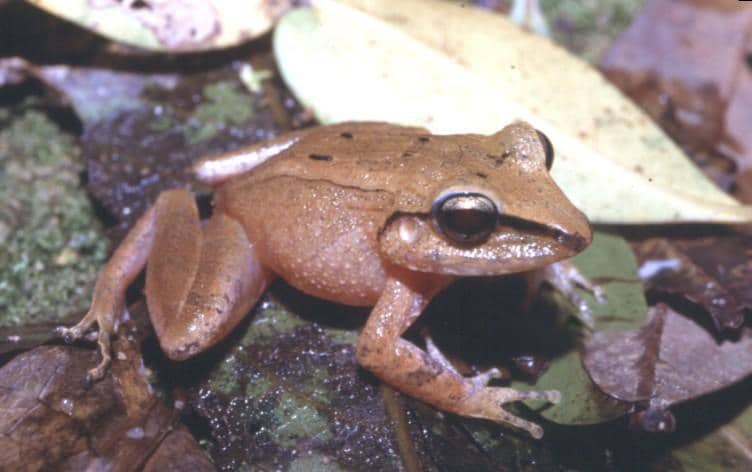
A brown clay robber frog resting among dry leaves.

When frogs began to vanish from a forest in Brazil nearly 50 years ago, no one knew why. Now biologist Jack Boyette and his team have found a strong clue on the skin of frogs kept in a museum. Their study links the local die-off to a strain of fungus

How Museum Frogs Helped Solve A 50-Year-Old Mystery of a Vanishing Population Read More »

When frogs began to vanish from a forest in Brazil nearly 50 years ago, no one knew why. Now biologist Jack Boyette and his team have found a strong clue on the skin of frogs kept in a museum. Their study links the local die-off to a strain of fungus

Thick Smog Blankets Delhi After Diwali: Here’s How Scientists Trace Fireworks Smoke.

Thick Smog Blankets India’s Capital City

The morning after fireworks lit up the sky for Diwali, a thick haze hung over India Gate in New Delhi. By 9 a.m. on Nov. 9, India’s pollution board put Delhi’s Air Quality Index (AQI) at 370, in its “very poor” range. In several parts of the city, readings topped

Thick Smog Blankets Delhi After Diwali: Here’s How Scientists Trace Fireworks Smoke. Read More »

The morning after fireworks lit up the sky for Diwali, a thick haze hung over India Gate in New Delhi. By 9 a.m. on Nov. 9, India’s pollution board put Delhi’s Air Quality Index (AQI) at 370, in its “very poor” range. In several parts of the city, readings topped

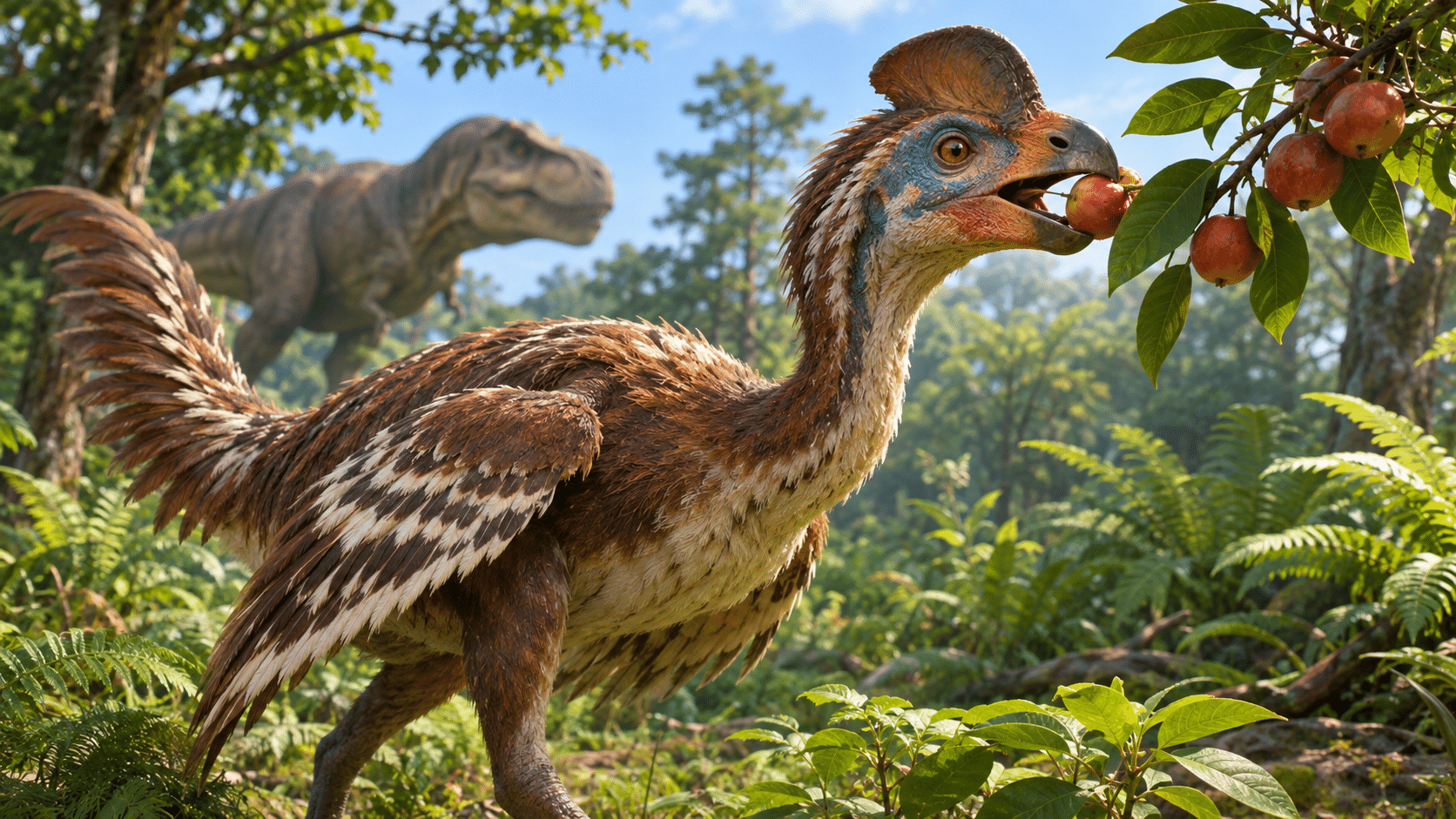
Meet the ‘Hell Chicken’: The Dinosaur That Loved Eating Fruit!

Infernogallus, the fruit-eating dinosaur, eating berries in a prehistoric forest

Imagine a dinosaur walking through a forest, searching for its favorite snack. You might expect it to hunt smaller animals or munch on leaves. But what if its favorite food was fruit? Scientists have discovered a dinosaur that may have been specially adapted to eat fruit. Its unusual name? Infernogallus

Meet the ‘Hell Chicken’: The Dinosaur That Loved Eating Fruit! Read More »

Imagine a dinosaur walking through a forest, searching for its favorite snack. You might expect it to hunt smaller animals or munch on leaves. But what if its favorite food was fruit? Scientists have discovered a dinosaur that may have been specially adapted to eat fruit. Its unusual name? Infernogallus

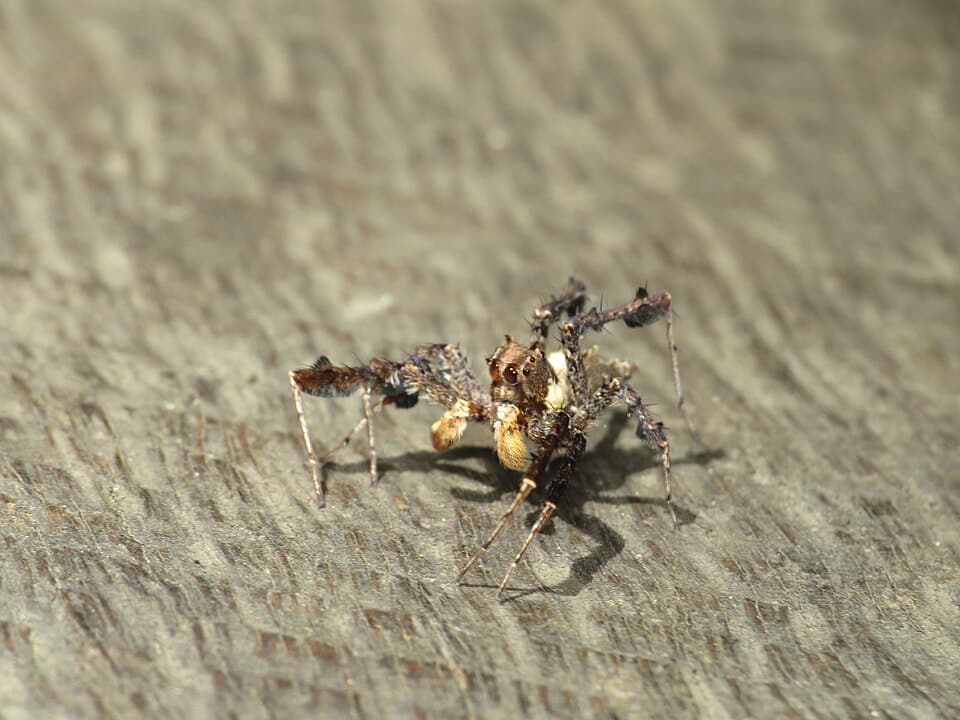
How Soundly Do Spiders Sleep?

Portia fimbriata

An Australian jumping spider does more than sit still at bedtime. Scientists led by the University of Bonn found that Portia fimbriata has regulated sleep with two distinct stages, including one marked by eye movements and muscle twitches. The findings provide experimental evidence that these spiders truly sleep. The study,

How Soundly Do Spiders Sleep? Read More »

An Australian jumping spider does more than sit still at bedtime. Scientists led by the University of Bonn found that Portia fimbriata has regulated sleep with two distinct stages, including one marked by eye movements and muscle twitches. The findings provide experimental evidence that these spiders truly sleep. The study,

Kimi Antonelli: The Science Behind Formula 1’s Youngest World Champion

How physics, technology and the human brain helped a 20-year-old make motorsport history Imagine driving a car at more than 300 kilometers per hour (186 mph), braking hard before a corner, turning through a narrow section of track and accelerating again — all while competing against some of the best

Kimi Antonelli: The Science Behind Formula 1’s Youngest World Champion Read More »

How physics, technology and the human brain helped a 20-year-old make motorsport history Imagine driving a car at more than 300 kilometers per hour (186 mph), braking hard before a corner, turning through a narrow section of track and accelerating again — all while competing against some of the best

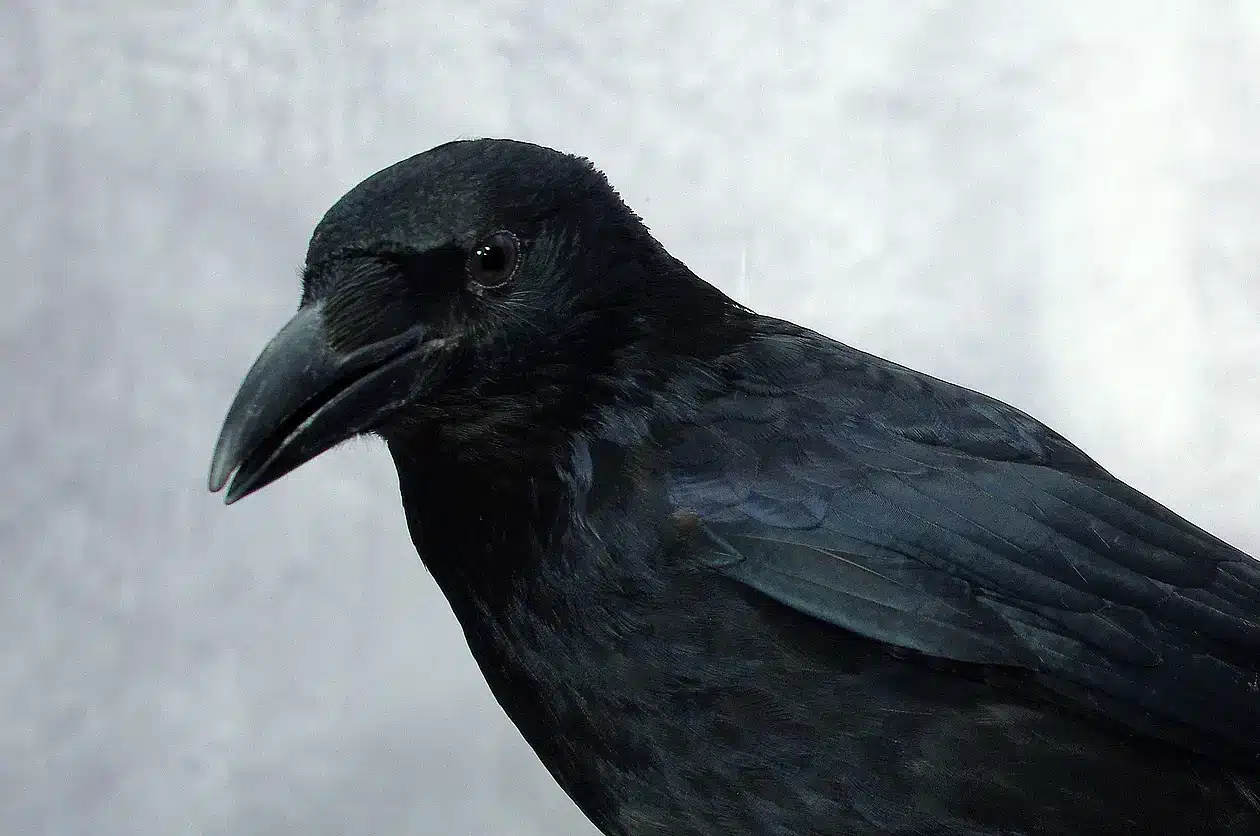
Crows make decisions twice as fast as humans and monkeys

Carrion Crow

 Carrion crow (Corvus corone).In corvid brains, University of Tübingen researchers discover basic neural decision-making signals like those in primate brains University of Tübingen researchers have shown that crows, when confronted with a visual choice, make a decision twice as fast as humans and monkeys. In the experiment, two carrion crows

Crows make decisions twice as fast as humans and monkeys Read More »

 Carrion crow (Corvus corone).In corvid brains, University of Tübingen researchers discover basic neural decision-making signals like those in primate brains University of Tübingen researchers have shown that crows, when confronted with a visual choice, make a decision twice as fast as humans and monkeys. In the experiment, two carrion crows

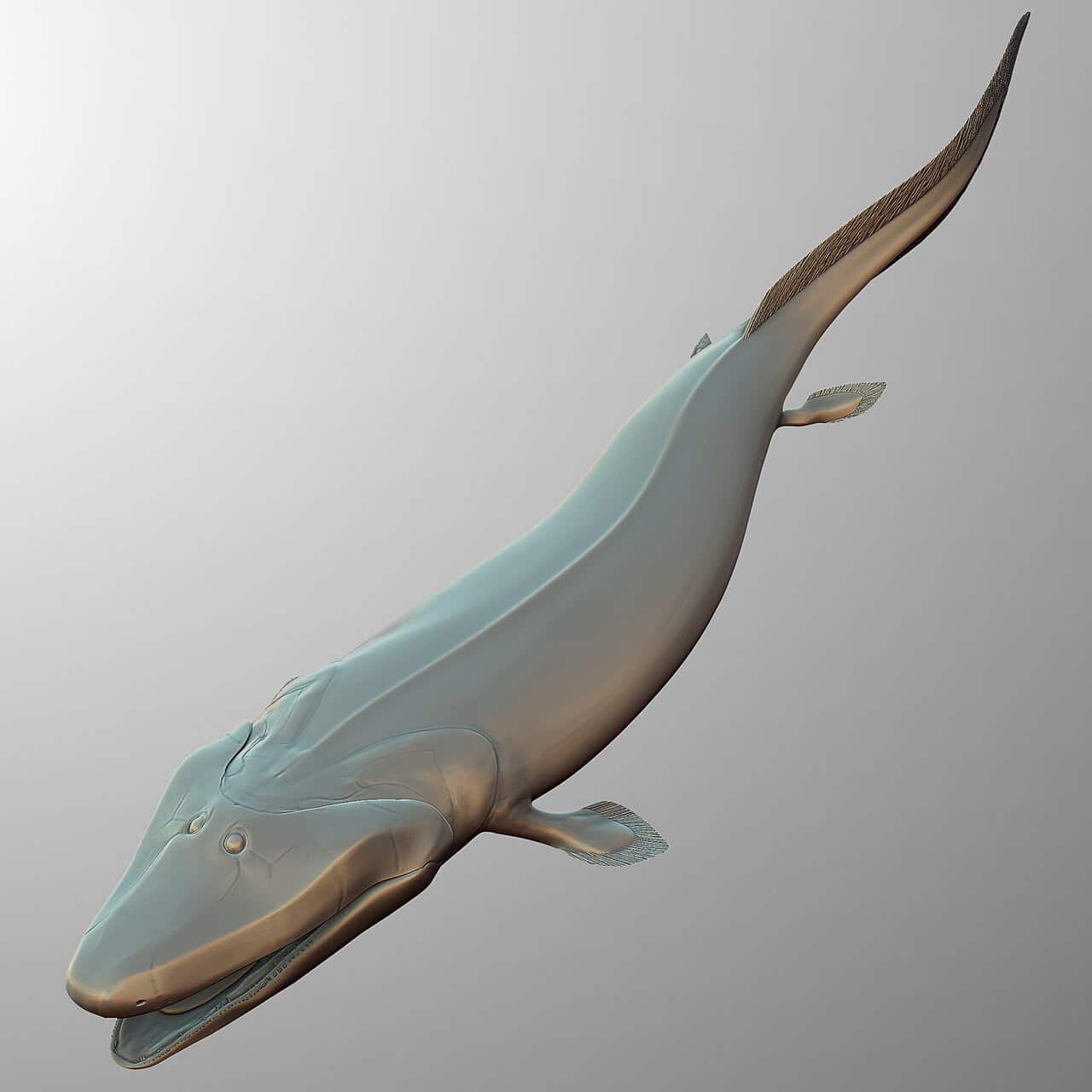
Early Necks Were Surprisingly Stiff Study Suggests

Reconstruction of Tiktaalik roseae

Some early relatives of four-limbed animals had necks but could barely move their heads. A team led by Dana Korneisel used living fish and fossil measurements to test how these ancient necks worked. Their results challenge a familiar idea about why necks first evolved. A neck without much freedom A

Early Necks Were Surprisingly Stiff Study Suggests Read More »

Some early relatives of four-limbed animals had necks but could barely move their heads. A team led by Dana Korneisel used living fish and fossil measurements to test how these ancient necks worked. Their results challenge a familiar idea about why necks first evolved. A neck without much freedom A

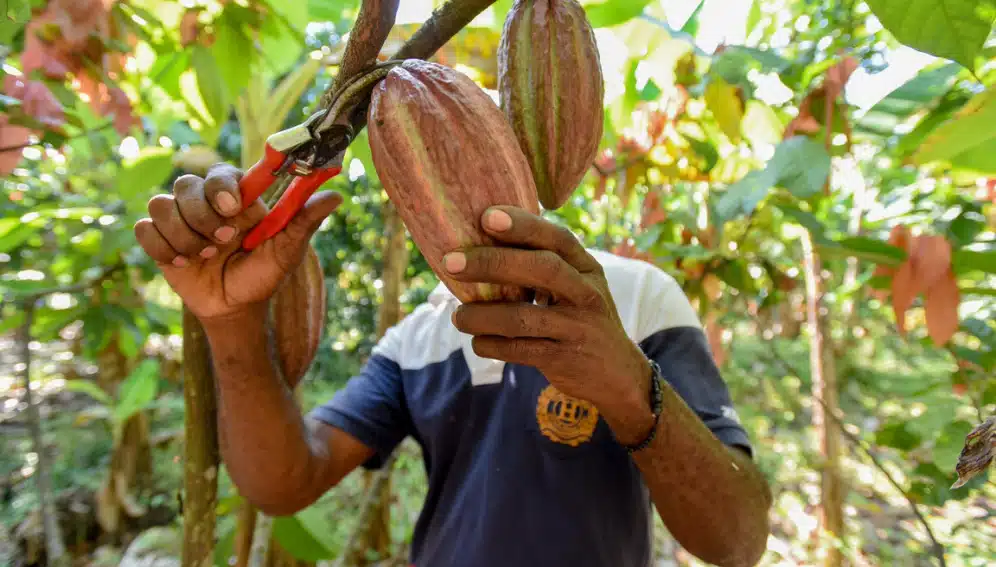
Extreme rainfall main climate threat to cocoa yields—study

Nearly 6 million smallholder farmers cultivate cocoa globally, but another 40 to 50 million people depend indirectly on the crop’s yields Copyright: Alliance of Bioversity International and CIAT/Flickr, Creative Commons CC BY-NC-SA 2.0 Deed Chocolate is one of the world’s favorite treats, but did you know that extreme rainfall could

Extreme rainfall main climate threat to cocoa yields—study Read More »

Nearly 6 million smallholder farmers cultivate cocoa globally, but another 40 to 50 million people depend indirectly on the crop’s yields Copyright: Alliance of Bioversity International and CIAT/Flickr, Creative Commons CC BY-NC-SA 2.0 Deed Chocolate is one of the world’s favorite treats, but did you know that extreme rainfall could

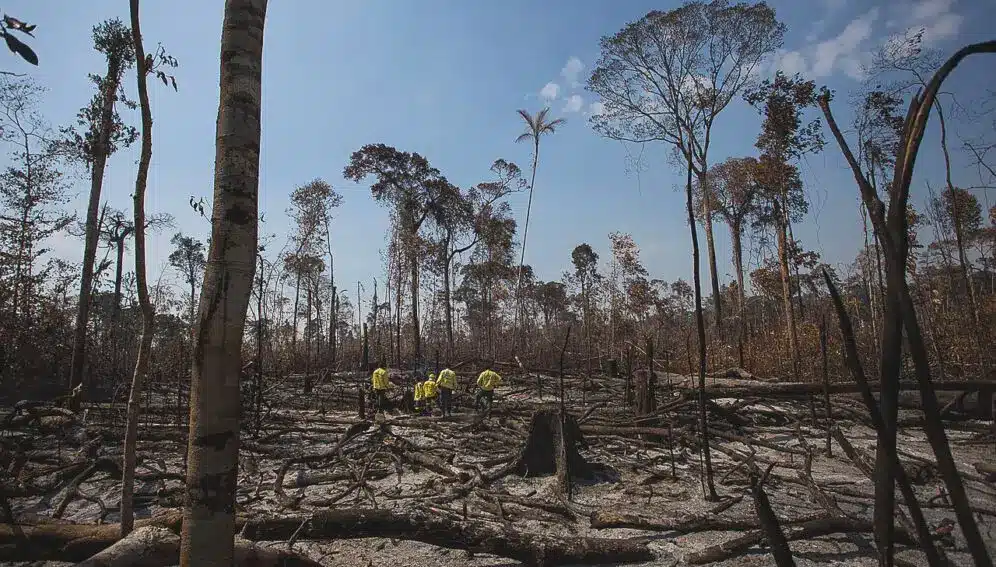
Global deforestation falls, but 2030 goal off track

deforestation

[SÃO PAULO, SciDev.Net] Global deforestation fell last year, but not enough to meet the goal of zero deforestation by 2030, with action missing to stop tree loss in the Congo Basin, a new analysis has found. Deforestation destroyed seven million hectares of native forests globally in 2025, 15 per cent

Global deforestation falls, but 2030 goal off track Read More »

[SÃO PAULO, SciDev.Net] Global deforestation fell last year, but not enough to meet the goal of zero deforestation by 2030, with action missing to stop tree loss in the Congo Basin, a new analysis has found. Deforestation destroyed seven million hectares of native forests globally in 2025, 15 per cent

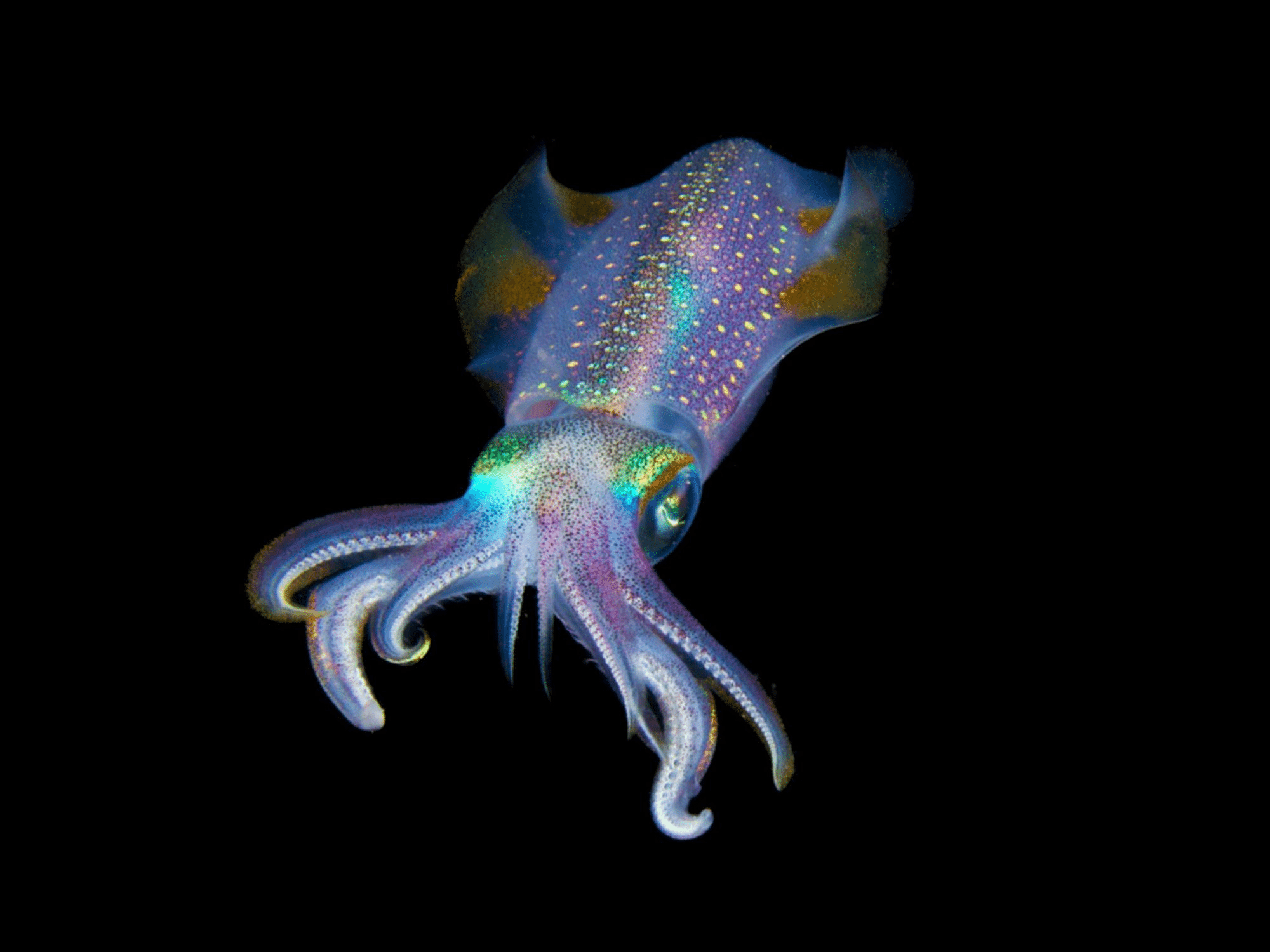
Hair on Squid Skin Might Help Study Hearing Loss, Research Suggests

Fish

Squids feel slimy and smooth to the touch because of a mucus film, but under a special microscope, researchers found hundreds of sensory “hairs” on their skin. Even more surprising, Brian McDermott, an associate professor at the Case Western Reserve School of Medicine and the study’s lead author, believes squid

Hair on Squid Skin Might Help Study Hearing Loss, Research Suggests Read More »

Squids feel slimy and smooth to the touch because of a mucus film, but under a special microscope, researchers found hundreds of sensory “hairs” on their skin. Even more surprising, Brian McDermott, an associate professor at the Case Western Reserve School of Medicine and the study’s lead author, believes squid

Smore-logos (1)-01
© 2019, Smore Science. All Rights Reserved.All Rights Reserved.  Stock Photos provided by our partner Depositphotos
Scroll to Top
//