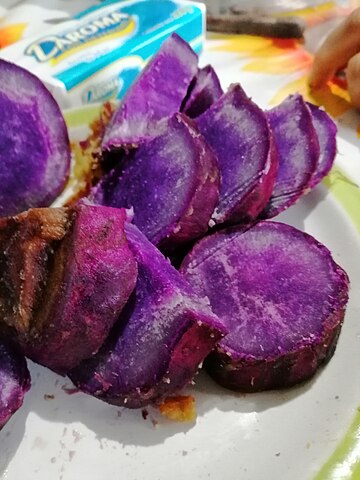
From eggplants to blueberries-purple foods are not just eye-catching; they’re packed with nutrients that are great for your health. These vibrant foods owe their color to natural pigments, which are also powerful health boosters. Lets explore why adding more purple to your plate can be a game-changer for your health.
Nutritional powerhouses: Vitamins and antioxidants in purple foods
The vibrant purple pigments that color many fruits and vegetables hint at the health treasures found within. Purple foods are jam-packed with beneficial vitamins and antioxidants that provide a wealth of benefits. These compounds act as your body’s protectors – neutralizing harmful free radicals and supporting overall wellness.
● Anthocyanins Give Purple Foods Antioxidant Power
Many purple fruits and veggies owe their beautiful hues to anthocyanins – a special type of antioxidant flavonoid pigment. From boosting heart health to supporting memory and vision, anthocyanins are antioxidant all-stars. These compounds also have anti-inflammatory, anti-viral, and anti-cancer effects. Some top anthocyanin-rich purple foods include eggplant, blackberries, concord grapes, purple cabbage, plums, and purple sweet potatoes.
● The Vitamin C – Antioxidant Connection
In addition to anthocyanins, many purple foods also supply vitamin C. An essential antioxidant vitamin, vitamin C teams up with anthocyanins to double the antioxidant power. Vitamin C also aids anthocyanin absorption and enhances their radical-scavenging effects. Some purple foods loaded with vitamin C include blackcurrants, purple grapes, passionfruit, purple carrots, purple potatoes, and purple cabbage.
● Other Protective Vitamins and Minerals
The nutrient riches of purple foods extend beyond their antioxidant content. Many also provide an array of important vitamins and minerals. For example, purple grapes deliver vitamins A, K, and B-6, plus minerals like iron, potassium, magnesium, and phosphorus. And vitamin K in foods like purple plums and cabbage promotes healthy blood clotting.
With their spectrum of vitamins, minerals, and antioxidants – purple foods offer whole-body benefits.
● Boosting Brain Health: Eating purple foods isn’t just good for your body; it’s great for your brain too! Studies suggest that the nutrients in these foods can improve memory and protect your brain from damage as you get older. So, munching on some purple snacks might just give your brain the boost it needs.
● Heart Health:Your heart loves purple foods as much as your taste buds do. These foods can help keep your heart strong and healthy. They do this by reducing blood pressure and improving cholesterol levels , which are important for a happy heart.
● Cancer Prevention: Some research suggests that the special compounds in purple foods might help in the fight against cancer. While we still have a lot to learn, it’s exciting to think that these tasty foods might also be powerful in keeping our bodies safe from serious illnesses.
Camote morado, Credit; Wikimedia/ Jruizs2k
Incorporating purple foods into your diet: Fun and tasty ideas
Adding purple foods to your diet can be both fun and delicious. Try some purple grapes in your snack box, add eggplant to your dinner, or blend up a blueberry smoothie. There are so many tasty ways to make your meals more colorful and healthy!
Eating purple foods is a delicious way to boost your health. With their impressive range of benefits, from brain health to heart health, these vibrant foods are more than just a pretty plate. So next time you’re at the grocery store, remember to add a splash of purple to your basket!
Glossary
Nutrients: Substances in food that provide energy and help your body function properly.
Antioxidants: Molecules that help protect your cells from damage caused by harmful substances known as free radicals.
Anthocyanins: Natural pigments responsible for the purple color in foods, known for their health benefits, particularly as antioxidants.
Cholesterol Levels: A measure of the fats in your blood, important for heart health.
Compounds: Chemical substances formed from a combination of two or more elements.