Table of Contents
Our hearts are quite the busy bees, pumping life through our bodies day in day out. So, what can we do to keep this vital organ in tip-top shape? The answer lies in exercise – but not just any exercise. We’re talking about heart-friendly workouts that are backed by science. Let’s dive into the best heart-health exercises and understand why they’re so beneficial.
Walking: The simple step to a healthier heart
Walking is an underrated exercise for heart health. It’s simple, free, and, guess what? It’s incredibly effective! Research has shown that brisk walking can improve heart health. It’s a low-impact exercise that easily fits into your daily routine. Just 30 minutes a day can make a significant difference, reducing the risk of heart disease and stroke.

Cycling: Pedal your way to a stronger heart
Cycling is a fantastic workout for your heart. Whether it’s a leisurely bike ride or a more intense cycling session, this exercise helps lower blood pressure, reduces LDL (bad) cholesterol , and boosts HDL (good) cholesterol . Plus, it’s easy on the joints!
Swimming: A splash of cardio
Dive into swimming for a full-body workout that’s gentle on your body but tough on heart disease. Swimming laps or even doing water aerobics can significantly improve cardiovascular health . It’s an excellent option for those with joint issues or who prefer a low-impact exercise.
Strength training: Building muscle to boost heart health
Strength training might seem more about muscles than the heart, but it plays a crucial role in cardiovascular fitness. Incorporating strength exercises, like lifting weights or using resistance bands, twice a week can help reduce heart disease risk factors such as obesity and high blood pressure. Research published in Medicine & Science in Sports & Exercise states, “Even one time or less than one hour/week of resistance exercise, independent of aerobic exercise, is associated with reduced risks of cardiovascular disease and all-cause mortality.”
Yoga: Stretch, relax, and strengthen your heart
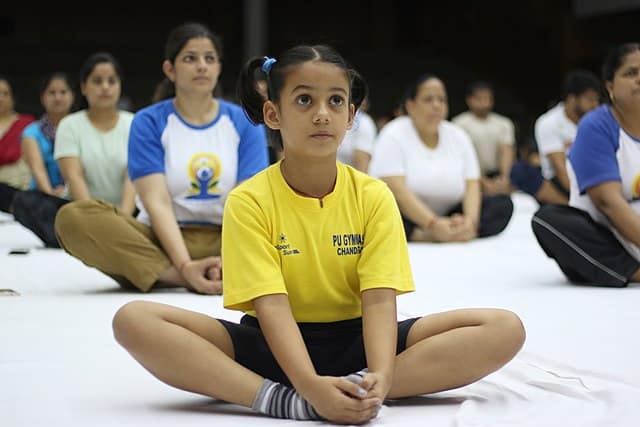
Yoga is a heart’s best friend. Yoga can decrease stress and inflammation in the body, both of which are linked to heart health. A study in the International Journal of Yoga noted that yoga might help improve heart rate variability , an indicator of heart resilience.

High-intensity interval training (hiit): Short bursts for long-term heart health
HIIT involves short bursts of intense exercise followed by periods of rest. This training style is efficient and effective, boosting cardiovascular health in a shorter time frame. It can improve blood pressure and aerobic capacity , which is essential for heart health.
Dancing: Let your heart dance to the beat
Dancing is a fantastic way to keep your heart healthy while having fun. It combines aerobic exercise, coordination, and balance into one enjoyable activity. Plus, it’s a great way to reduce stress – another win for heart health.
Pilates: Core strength for a healthy heart
Pilates focuses on core strength, flexibility, and overall body awareness, indirectly benefiting heart health. It’s a low-impact exercise that can help maintain weight and reduce blood pressure, both key factors in cardiovascular health.
Gardening: Heart-healthy hobby
Believe it or not, gardening is a great way to nurture your heart. It’s a form of moderate exercise that can lower blood pressure and cholesterol levels. Plus, growing your own fruits and veggies? That’s heart-healthy eating right at your fingertips!
Playing sports: Team up for heart health
Engaging in team sports like soccer, basketball, or tennis is fun and excellent for your heart. These activities combine aerobic exercise with strength and coordination, giving your heart a well-rounded workout.
Whether it’s a daily walk, a swim, or a dance-off in your living room, every bit counts towards keeping your heart in great shape. The key is finding activities you enjoy and can stick with in the long run. So, get moving, have fun, and here’s to a healthier heart!
Glossary
Cardiovascular Health: This refers to the health of the heart and blood vessels, which are essential for overall health and well-being.
Brisk Walking: A moderately intense form of walking, faster than a stroll, beneficial for heart health.
LDL (Low-Density Lipoprotein) Cholesterol: Often referred to as “bad” cholesterol, high levels can lead to heart disease.
HDL (High-Density Lipoprotein) Cholesterol: Known as “good” cholesterol, helps remove other forms of cholesterol from the bloodstream.
Heart Rate Variability (HRV): A measure of the variation in time between each heartbeat, indicating cardiovascular health and stress levels.
High-Intensity Interval Training (HIIT): A training technique involving short, intense bursts of physical activity followed by brief periods of rest.
Aerobic Capacity: The ability of the heart and lungs to deliver oxygen to the body’s tissues during sustained physical activity.
References
Nystoriak MA, Bhatnagar A. Cardiovascular Effects and Benefits of Exercise. Front Cardiovasc Med. 2018 Sep 28;5:135.
LIU, YANGHUI; LEE, DUCK-CHUL; LI, YEHUA; ZHU, WEICHENG; ZHANG, RIQUAN; SUI, XUEMEI; LAVIE, CARL J.; BLAIR, STEVEN N.. Associations of Resistance Exercise with Cardiovascular Disease Morbidity and Mortality. Medicine & Science in Sports & Exercise 51(3):p 499-508, March 2019.
Tyagi A, Cohen M. Yoga and heart rate variability: A comprehensive review of the literature. Int J Yoga. 2016 Jul-Dec;9(2):97-113.

Contributors
Copyright @smorescience. All rights reserved. Do not copy, cite, publish, or distribute this content without permission.
SUBSCRIBE TO OUR NEWSLETTER
.......... ..........Subscribe to our mailing list to get updates to your email inbox.
Monthly Newsletter