Table of Contents
What is a blood clot?
A blood clot is the body’s way to stop excessive bleeding when we get hurt. It is a clump of blood cells, platelets , and proteins that plug the wound. Once the bleeding stops and the wound heals, the clot breaks down.
There are 3 stages of blood clotting:
1. Narrowing of the blood vessel: When we get hurt, our body’s main goal is to make sure we do not lose too much blood. As we know, blood travels to all the parts of our body through blood vessels. When we bleed, our blood vessels near the site of injury narrow to make sure that it gets a reduced amount of blood, so that we do not lose any more blood than we already have lost.
2. Formation of the platelet plug: Blood cells called platelets are actively recruited to the site of injury. They clump together to form a mesh to stop the bleeding. This plug is temporary, and works the same way a stopper or a cork does. It prevents bleeding while also keeping germs and dirt from entering the wound.
3. Activation of a number of reactions that lead to blood clotting: The plug is only temporary and not very stable, and the body needs a more permanent solution to hold the plug in place. To achieve this, the body activates a number of reactions that work one after the other to produce a protein, fibrin. Fibrin acts like the cement that holds the clot in place.
Eventually, new skin forms over the wound, usually leaving a scar.

What causes blood clots in the brain?
The most common cause of blood clots in the brain is head and neck injuries. When there is trauma to the head or neck, there can be internal bleeding between the brain and the skull. To stop the bleeding, blood clots form. This increases the pressure on the surrounding brain tissue. Sometimes, blood clots travel from other parts of the body to the brain. They are called traveling clots. Other causes of blood clots in the brain include:
• Obesity: Fat cells are more likely to clot, so people that have a higher fat percentage in their bodies are more likely to develop a blood clot in the brain.
• Smoking: Smoking is one of the main causes of blood clots. It causes damage to tissues and blood vessels.
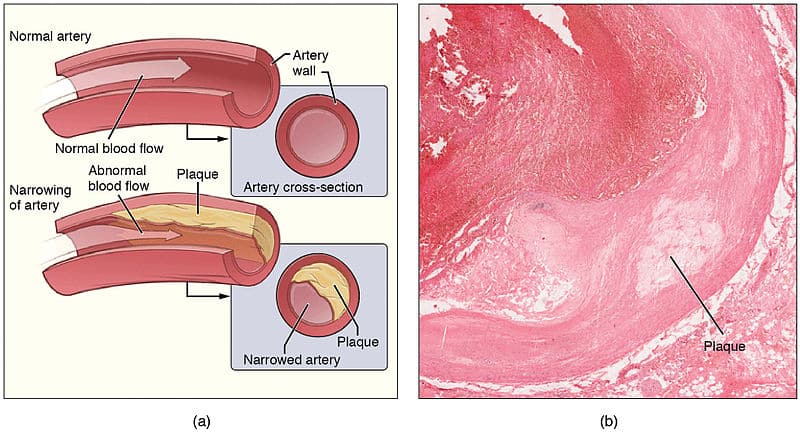
• Atherosclerosis: Atherosclerosis is the hardening of the walls of arteries because fat and calcium in the blood get deposited on the walls of blood vessels. These depositions are called plaques. When they get displaced, they can form clots.

What are the symptoms of blood clots in the brain?
Symptoms of blood clots in the brain can include slurring of speech and strokes. Common symptoms include headaches, usually on one side of the head. They get worse with movement, coughing, or physical activity. Confusion and brain fog are also common symptoms, along with blurred vision, uncontrollable movements, seizures, dizziness, and paralysis.
How are blood clots in the brain diagnosed?
Doctors diagnose blood clots in the brain using MRA and CT scans. These technologies help visualize the size and position of the blood clot. MRAs also help in accurately observing blood vessels. Ultrasounds are also used, and they help detect the size and shape of the brain, making sure that there are no abnormalities. Doctors also perform blood tests, as finding protein in the blood is indicative of brain bleeds.

How are blood clots in the brain treated?
Blood clots in the brain need to be treated very quickly, since they can be fatal. Some common methods used in the treatment include:
- Blood thinners and anticoagulants: These are medications that make the blood thin and prevent it from clotting. They are usually prescribed to people with a history of blood clots. Warfarin is a commonly used blood thinner.
- Thrombolytics: These are drugs that are given during emergency situations, like when a patient has suffered a stroke. They rapidly dissolve blood clots. Heparin is a common thrombolytic.
- Mechanical thrombectomy: This is a surgical procedure in which the blood clot is physically extracted from the body.
- Surgery: Surgeries performed to remove blood clots can be of two types. The first procedure involves drilling a small hole in the skull to drain the blood, and the second involves removing a patch of the skull, draining the blood, and reattaching it.

How to prevent blood clots in the brain?
Blood clots in the brain are easily preventable. A healthy diet, exercise, making sure to drink enough water, and regular screening for cancer are all simple ways to ensure the prevention of blood clots. Apart from this, medical conditions like diabetes and hypertension need to be under control.
Conclusion
Blood clots in the brain may cause minor issues like slurred speech and dizziness, and therefore go undetected. They usually worsen into strokes or paralytic attacks. This makes them quite dangerous. It is essential to recognize the signs and symptoms of a blood clot in the brain and seek immediate medical assistance.
Flesch Kincaid Grade Level: 7.1
Flesch Kincaid Reading Ease: 69.5
Glossary
Anticoagulants: Medications that prevent blood from clotting or delay its clotting time.
CT: Computed tomography, a specialized equipment that acts like an X-ray.
Hypertension: High blood pressure.
MRA: Magnetic resonance angiography, a technology used to visualize blood vessels.
Ultrasound: An imaging method that uses sound waves to visualize structures within the body.
Platelets: Tiny pieces of cell that are in the blood and help to form clots
Brain fog: Describes symptoms in which thinking is unfocused, slowed, unclear, or confused
References
Blood clot in brain: Types, reason & treatment (no date) Best Hospitals in Delhi NCR, India: Multispeciality Hospital, Book an Appointment. Available at: https://www.maxhealthcare.in/blogs/blood-clot-in-brain (Accessed: February 13, 2023).
Blood clots causes (2021) Mayo Clinic. Mayo Foundation for Medical Education and Research. Available at: https://www.mayoclinic.org/symptoms/blood-clots/basics/causes/sym-20050850 (Accessed: February 13, 2023).
Blood clots | hypercoagulability (no date) MedlinePlus. U.S. National Library of Medicine. Available at: https://medlineplus.gov/bloodclots.html (Accessed: February 13, 2023).
Blood clots: Risks, symptoms, treatments, prevention (no date) Cleveland Clinic. Available at: https://my.clevelandclinic.org/health/diseases/17675-blood-clots#prevention (Accessed: February 13, 2023).
Hemostasis: Stages and how the process stops blood flow (no date) Cleveland Clinic. Available at: https://my.clevelandclinic.org/health/symptoms/21999-hemostasis (Accessed: February 13, 2023).
Contributors
-
Sanjana Kadur: AuthorView all posts
Sanjana is doing her masters in biochemistry. She loves all things biology and truly believes that dogs make the world a better place. She enjoys playing basketball and spends most of her evenings on the court. Writing for Smore Science gives her the creative freedom to write about science in a fun and relatable way.
Copyright @smorescience. All rights reserved. Do not copy, cite, publish, or distribute this content without permission.
SUBSCRIBE TO OUR NEWSLETTER
.......... ..........Subscribe to our mailing list to get updates to your email inbox.
Monthly Newsletter