It might not always be the center of attention at your dinner table, but is super important for your health – fiber. You’ve probably heard you should eat more fiber, but why? And what foods are we talking about?
Understanding fiber and its importance
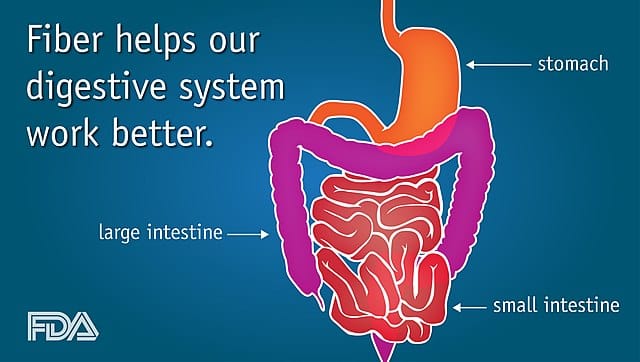
What exactly is fiber? Simply put, it’s a carbohydrate that your body can’t digest. It is this indigestibility that makes fiber a superhero in your digestive system . It helps keep things moving smoothly in your gut, essential for regular bowel movements. Fiber also helps you feel full longer, can improve cholesterol and blood sugar levels, and plays a role in preventing certain diseases. According to a study a high-fiber diet is linked to a lower risk of heart disease, diabetes, and obesity.
Kids ‘n Fiber, Credit: Wikimedia/The U.S. Food and Drug Administration
The two types of fiber: Soluble and insoluble fiber
When we talk about fiber, it’s important to know there are two types: soluble and insoluble. Soluble fiber dissolves in water and can help lower glucose and cholesterol levels.
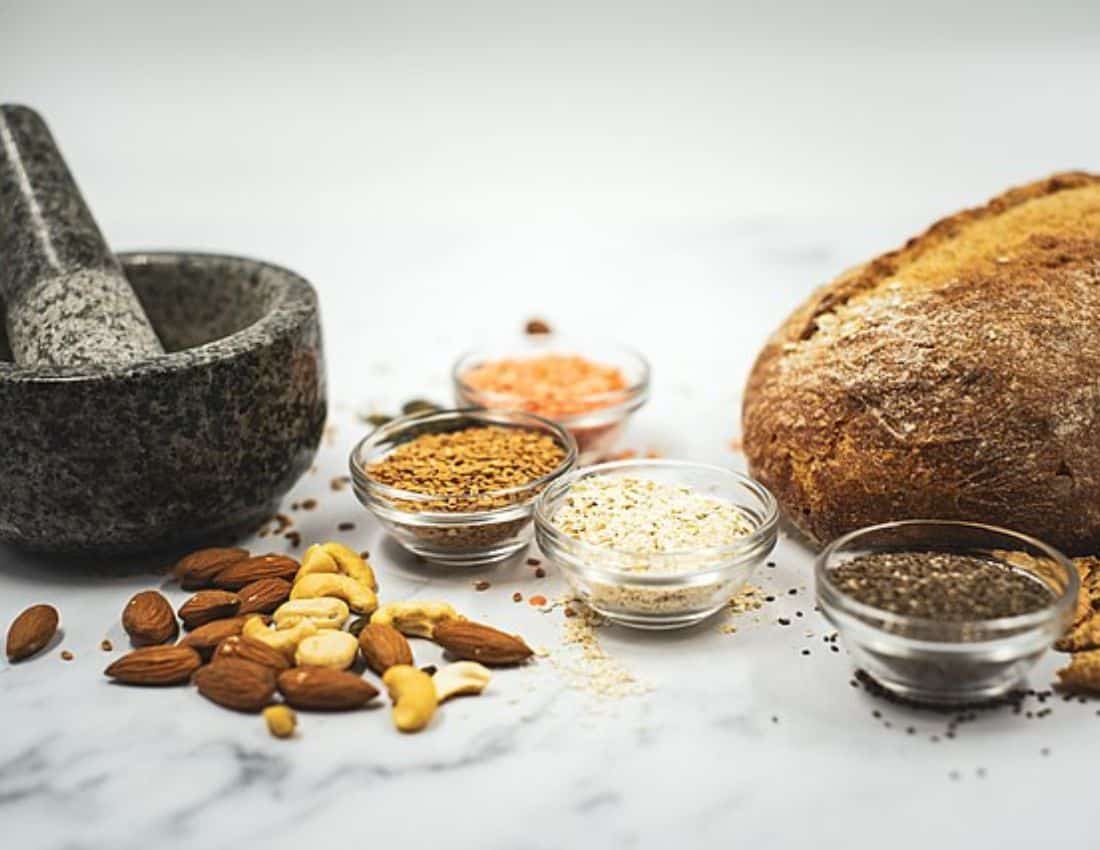
Foods rich in soluble fiber include – oats, – nuts, – beans, – apples, – and blueberries.
On the other hand, insoluble fiber doesn’t dissolve in water. It helps with constipation and keeping your digestive system healthy. You’ll find insoluble fiber in foods like
– whole wheat flour, – wheat bran, – nuts, – and many vegetables.
Top foods high in fiber
– Beans and legumes are a powerhouse of both soluble and insoluble fiber. Just one cup of cooked black beans offers a whopping 15 grams of fiber.
– Whole grains are another great source. For instance, a slice of whole wheat bread can provide up to 3 grams of fiber.
– Vegetables and fruits, like broccoli, carrots, and raspberries, are high in fiber and loaded with vitamins and minerals.
While getting your fiber from foods is the best approach, you may need extra help. This is where fiber supplements come in. They can be a good option if you’re struggling to get enough fiber through diet alone. However, it’s important to start slowly with supplements and increase your intake gradually to prevent any digestive discomfort.
Fiber plays a critical role in maintaining good digestive health. It helps prevent constipation, maintain a healthy gut microbiome , and can even reduce the risk of colon cancer. Scientific studies have reported that a high dietary fiber intake, particularly from grains, is associated with a lower risk of colorectal cancer .
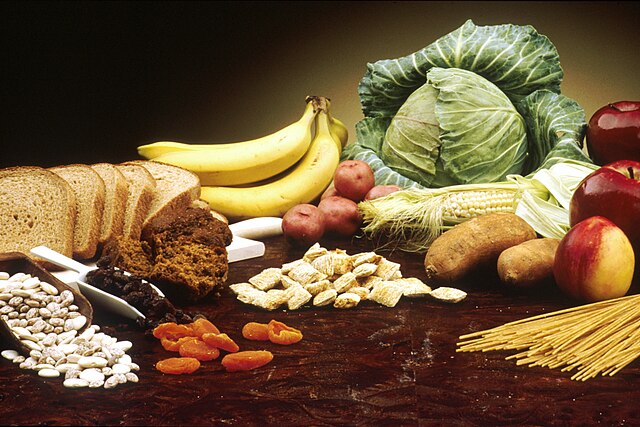
Fruit, Vegetables and Grain NCI Visuals Online, Credit: Wikimedia
Glossary
Carbohydrate: A type of nutrient that is the body’s main energy source. It includes sugars, starches, and fibers found in fruits, grains, vegetables, and milk products.
Digestive System: The group of organs responsible for breaking down food into nutrients the body can use and disposing of waste.
Glucose: A simple sugar that is an important energy source in living organisms and is a component of many carbohydrates.
Cholesterol: A waxy substance found in your blood and cells. It’s needed to build cells, but too much can be a problem.
Microbiome: The collection of all the microorganisms living in association with the human body, including bacteria, viruses, and fungi.
Colorectal Cancer: Cancer of the colon or rectum, located at the digestive tract’s lower end.
Anderson JW, Baird P, Davis RH Jr, Ferreri S, Knudtson M, Koraym A, Waters V, Williams CL. Health benefits of dietary fiber. Nutr Rev. 2009 Apr;67(4):188-205. doi: 10.1111/j.1753-4887.2009.00189.x. PMID: 19335713.