Elephant eating tree bark, Credit: Wikimedia/Vpad236
Table of Contents
When we think of strength, we often think of superheroes, weightlifters, and bodybuilders. But did you know that some animals are stronger than humans? In fact, there are animals in the world that are capable of lifting, carrying, and pushing weights that are several times their own body weight! In this article, we will explore the top 10 strongest animals in the world and learn more about their impressive feats of strength.
Blue Whale
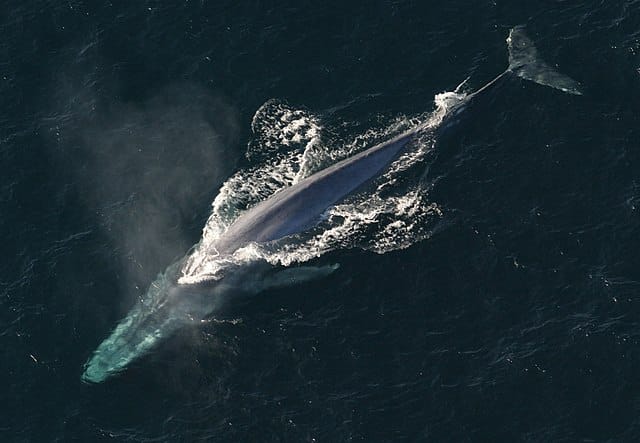
Blue Whale, Credit: Wikimedia/NOAA Photo Library
The blue whale is the largest animal in the world, and also one of the strongest. They are known for their massive size and weight, with adult males weighing up to 200,000 pounds (90,000 kg) and measuring up to 100 feet (30 meters) in length. Their strength comes from their massive muscles and powerful tail, which they use to propel themselves through the water at speeds of up to 30 miles (48 kilometers) per hour.
The African elephant is the largest land animal in the world and one of the strongest. They have massive bodies and strong, muscular legs that allow them to move through dense forests and across open Savannas with ease. Adult males can weigh up to 13,000 pounds (5,900 kg) and stand up to 13 feet (4 meters) tall at the shoulder. They use their strength to dig for water, push down trees, and defend themselves and their young from predators. They have great memory too.
Siberian Tiger
Siberian Tiger, Credit: Wikimedia/Siberian Tiger
The Siberian tiger is the largest tiger and one of the strongest cats in the world. They have powerful legs and jaws, which they use to take down prey such as deer, boars, and even bears. Adult males can weigh up to 660 pounds (300 kg) and measure up to 10 feet (3 meters) in length, making them one of the largest big cats in the world. They are also strong swimmers and can cross large rivers with ease.
The saltwater crocodile is the largest reptile in the world and one of the strongest. They have massive bodies and powerful jaws, which they use to catch and kill prey such as fish, birds, and even other crocodiles. Adult males can weigh up to 2,200 pounds (1,000 kg) and measure up to 23 feet (7 meters) in length. They are also strong swimmers and can propel themselves through the water at speeds of up to 20 miles (32 kilometers) per hour.
Grizzly Bear
Grizzly Bear, Credit: Wikimedia/Diliff
The grizzly bear is one of the strongest bears in the world and can weigh up to 1,500 pounds (680 kg). They have strong, muscular bodies and powerful jaws, which they use to catch and eat fish, berries, and small mammals. They are also excellent climbers and can scale trees and cliffs with ease. Despite their size and strength, grizzly bears are skilled runners and can reach speeds of up to 35 miles (56 kilometers) per hour.
Gorilla
Male Silverback Gorilla, Credit; Wikimedia/Brocken Inaglory
Gorillas are the largest primates in the world and can weigh up to 600 pounds. Their incredible strength is due to their muscular bodies and arms, which are longer than their legs. They use their strength to move through the dense forests of Africa and climb trees effortlessly. Gorillas can also lift up to ten times their body weight, making them one of the strongest animals in the world. These gentle giants are herbivores and mainly eat leaves, stems, and fruits.
Anaconda
Green Anaconda, Credit: Wikimedia/MKAMPIS
The green anaconda is the largest snake in the world and can weigh up to 550 pounds. They are found in the swamps and rivers of South America. Anacondas have powerful muscles that allow them to constrict their prey, suffocating it before swallowing it whole. They are also excellent swimmers and can hold their breath for up to 10 minutes underwater. Despite their size and strength, anacondas are not dangerous to humans and rarely attack unless provoked.
Musk Ox
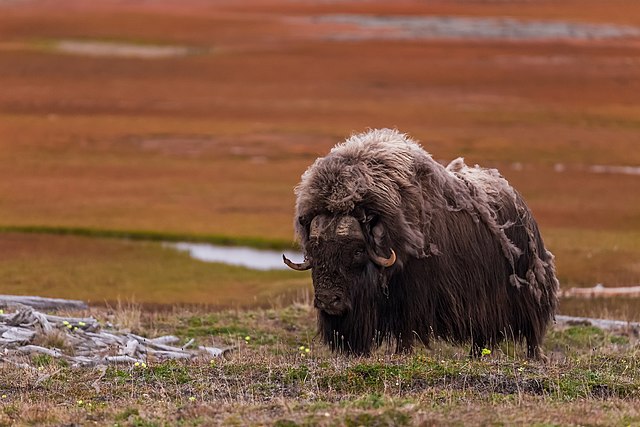
Musk Ox, Credit; Wikimedia/Кирилл Уютнов
Musk oxen are large herbivores found in the Arctic regions of North America and Greenland. They are covered in thick fur, which helps them survive in the harsh environment, and they can weigh up to 900 pounds. Musk oxen are incredibly strong and have been known to defend themselves against predators, such as wolves and polar bears, by forming a circle with their bodies and using their horns to attack. They also have a strong sense of smell, which helps them detect predators from a distance.
Hippopotamus
Hippopotamus, Credit: Wikimedia/Kabacchi
Hippos are the third-largest land mammals and can weigh up to 4,000 pounds. Despite their large size, hippos are incredibly fast and agile on land and can run up to 20 miles per hour. Their strength comes from their massive jaws, which are filled with sharp teeth that can easily crush bones. Hippos are also excellent swimmers and can hold their breath for up to five minutes underwater. Despite their fearsome reputation, hippos are herbivores and mainly eat grass and other vegetation.
Dung Beetle
Dung Beetle, Credit: Wikimedia/Achiri Bitamsimli
Dung beetles are small insects that are incredibly strong for their size. They are able to move objects that are 50 times their own weight, which is the equivalent of a human pulling six double-decker buses. Dung beetles get their name because they primarily eat and live in animal dung, which they roll into balls and bury for food and shelter. Their strength comes from their specially adapted front legs, which are designed to grip and move objects many times their own weight.
These ten animals are some of the strongest creatures in the world. They use their strength to survive in their respective habitats and defend themselves against predators or catch prey. While some of these animals can be dangerous, it’s important to remember that they are an important part of their ecosystem and should be treated with respect. By learning about these animals, we can appreciate the incredible strength and resilience of the natural world.
Why are animals so strong?
Animals have evolved to be strong to survive in their environments. Strong animals are able to hunt better, defend themselves from predators and compete for mates and natural resources.
How do animals develop their strength?
Animals have developed their strengths through the process of evolutionary adaptations and natural selections that favor more muscle strength and power.
Muscles are composed of long cells called fibers that are packed together. This arrangement allows muscles to contract and help the animal to move. The strength of muscles comes from their cross sectional area, and it does not depend on the length or width of the muscles. So even smaller animals with a higher cross sectional area can be much stronger than a bigger one.
Some animals also have the ability to increase their muscle mass through physiological changes that prepare them for demanding activities like migration or hibernation (e.g. migratory birds or hibernating bears)
Frequently Asked Questions? (FAQs)
What is the strongest reptile?
The saltwater crocodile is considered the strongest reptile. It has the most powerful bite of any living animal, exerting a force of over 3,700 pounds per square inch (psi). This immense strength allows saltwater crocodiles to capture and subdue large prey like fish, birds, and even larger mammals.
What is the strongest mammal in the world?
The African bush elephant is the strongest mammal in the world. It can lift up to 6,000 kg, which is its own body weight, from a lying down position. The elephant’s trunk alone can lift over 400 lbs, demonstrating its incredible strength.
What is the strongest animal in the ocean?
The goliath grouper is considered the strongest fish in the ocean. Growing up to 9 feet long and weighing up to 800 lbs, the goliath grouper is capable of eating sharks and even attacking human divers. Its massive size and powerful jaws make it one of the most formidable predators in the sea.
Propel: To drive, push, or cause to move in a particular direction or manner.
Savannas: A tropical or subtropical grassland ecosystem characterized by a mixture of grasses and scattered trees.
Herbivores: Animals that eat only plants or parts of plants as their primary source of nutrition.
Ecosystem: A community of living organisms (plants, animals, and microorganisms) interacting with their nonliving environment (water, air, and soil) as a functioning system.