The natural world is teeming with an incredible diversity of life, yet many of its species are in peril and facing the threat of extinction. Human activities such as deforestation, poaching, and climate change have pushed these species to the brink. In this blog, we explore the top 10 endangered animals, delving into their geographic locations, the risks they face, interesting facts about their behaviors, and the scientific insights that can help preserve them. Here, we present a countdown from the least to the most critically endangered species, underscoring the urgency of conservation efforts worldwide.
10- The Amur Leopard
Amur Leopard, Credit; thedodo.com
Geographic Location: The Amur leopard resides in the temperate forests of the Russian Far East and Northeast China.
Risk of extinction: The Amur leopard is critically endangered, with fewer than 100 individuals believed to be living in the wild. This solitary and nocturnal predator is known for its beautiful spotted fur and incredible adaptability to cold and temperate climates. Despite its resilience, the Amur leopard faces threats from habitat loss, poaching for its fur, and prey depletion.
Scientific Insights:Conservationists are working to establish protected areas and crack down on illegal hunting, striving to rewrite the leopard’s fate. Genetic studies have helped conservationists understand its low genetic diversity, guiding breeding programs to ensure the species’ long-term survival.
9- The Javan Rhino
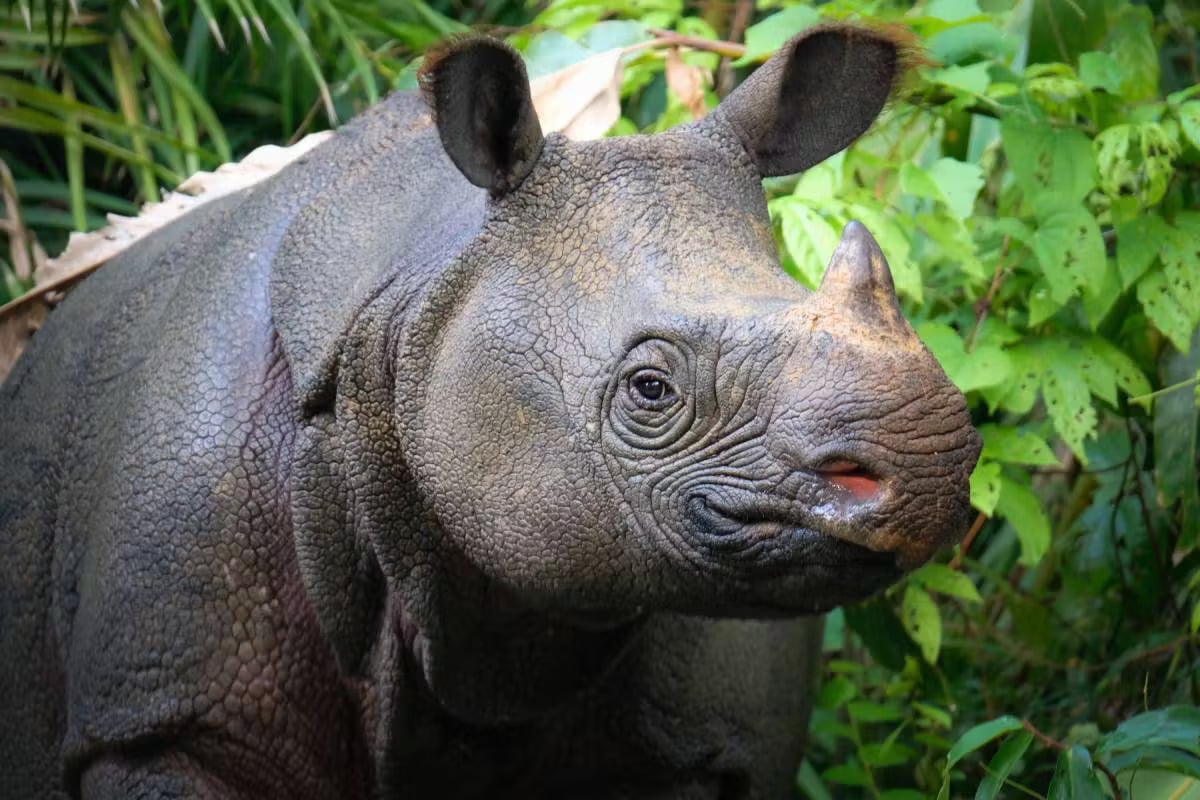
Javan Rhino, Credit; oneearth
Geographic Location: The Javan rhino is found only in Ujung Kulon National Park on the rainforests of Java, Indonesia.
Scientific Insights: Scientific research on the Javan rhino is challenging due to its elusive nature. However, camera trap technologies and genetic sampling have provided insights into their numbers, health, and behavior, aiding in tailored conservation strategies.
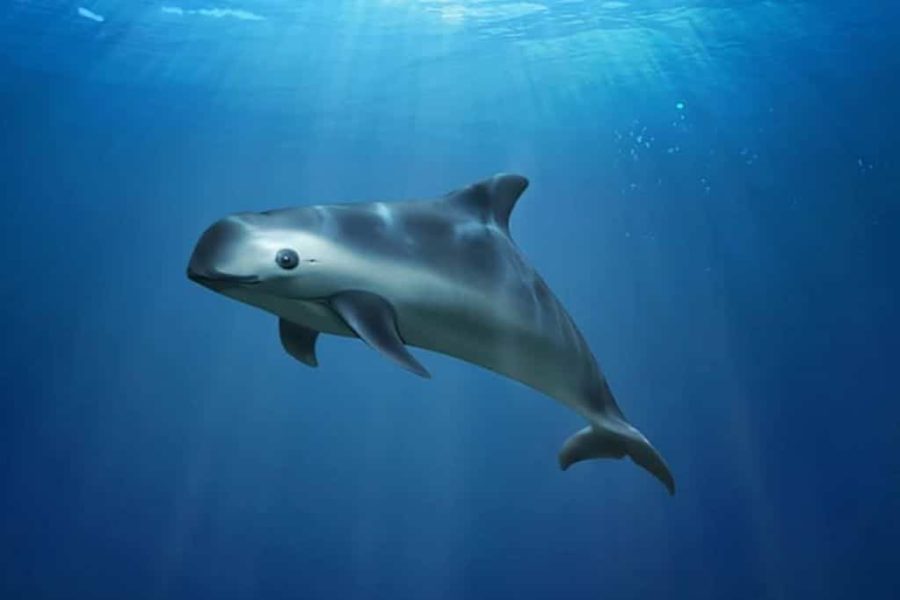
Risk of extinction: The Vaquita, the world’s most endangered marine mammal, has fewer than 100 individuals remaining. Vaquitas are caught as bycatch in illegal gillnets, leading to a rapid decline in the number of animals of the species. These animals are shy and elusive, making studying in their natural habitat difficult.
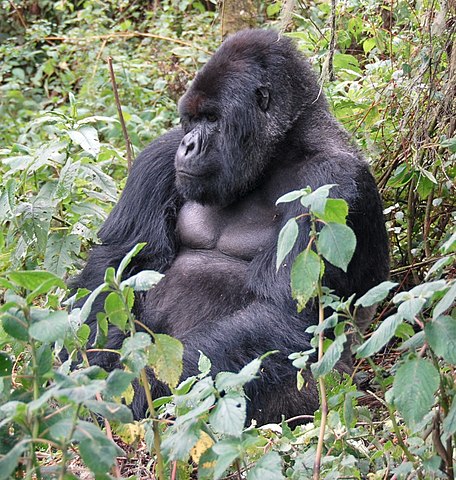
Geographic Location: Mountain gorillas inhabit the cloud forests in Central Africa, along the borders of Rwanda, Uganda, and the Democratic Republic of Congo.
Risk of extinction: Once on the brink of extinction, the mountain gorilla population has slightly increased to over 1000 individuals due to intensive conservation efforts. These gorillas live in groups led by a silverback and are known for their complex social structures and behaviors. The gorilla population has suffered decades of extensive threats, including poaching, habitat deforestation, disease transmission from humans, and civil conflict.
Scientific Insights:Genetic research and behavioral studies have been crucial in understanding the population structure, diversity, evolutionary history, and local adaptation of mountain gorillas.
Risk of extinction: Orangutans are critically endangered, with deforestation for palm oil plantations being the primary threat to their existence. Expelling orangutans from their familiar, native habitat can expose populations to malnutrition and starvation, leaving them vulnerable to poaching and conflicts with humans over crops. Their slow reproductive rates also contribute to the increased risk of extinction associated with these animals.
Scientific Insights: Studies on orangutan genetics, diet, and social behavior have helped shape conservation strategies, including habitat protection and rehabilitation programs for orphaned orangutans. Furthermore, conservationists are fighting back, advocating for sustainable palm oil and reforestation projects.
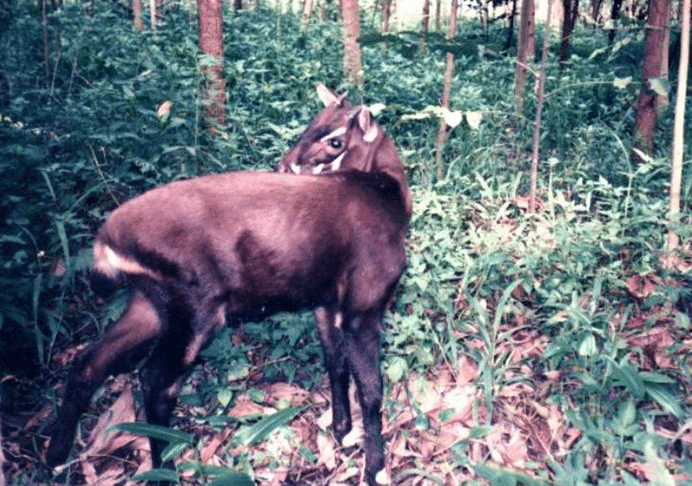
Risk of extinction: The Saola, frequently called the “Asian Unicorn,” is a mysterious and critically endangered species. These animals are extremely elusive, and very little is known about them since their discovery in 1992. Habitat loss (due to agriculture, plantations, and infrastructures) and hunting are the main threats.
Scientific Insights: Due to its rarity, most knowledge about the Saola comes from camera trap images and local reports. Conservation efforts focus on removing snares and protecting habitats to ensure survival despite their limited understanding of their ecological behaviors.
4- The Sumatran Elephant
Sumatran Elephant, Credit: Wikimedia/Léodras
Geographic Location: The Sumatran elephant lives in the forests of Sumatra, Indonesia.
Risk of extinction: Classified as critically endangered, the Sumatran elephant population has declined by over 70% in the last two generations due to habitat loss and human conflict. These elephants are crucial in maintaining the forest ecosystem by dispersing seeds.
Scientific Insights:Conservation strategies include human-elephant conflict mitigation, habitat conservation, and efforts to establish wildlife corridors to connect fragmented habitats. Genetic studies help in understanding population dynamics and the impacts of habitat fragmentation.
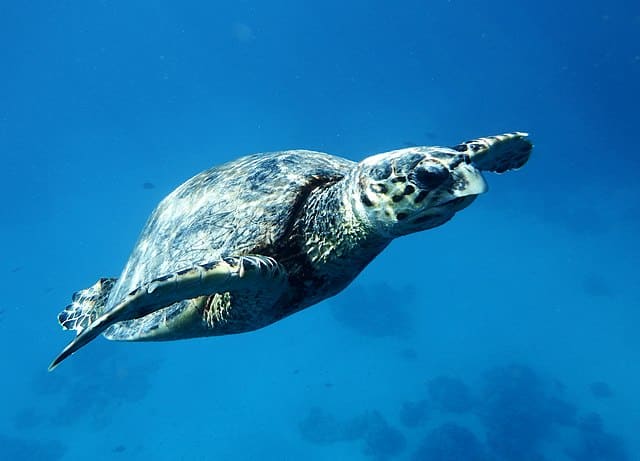
Scientific Insights: Research on hawksbill turtles has led to a better understanding of their migration patterns, diet, and nesting sites, aiding in targeted conservation efforts. Therefore, protecting nesting beaches and regulating trade are essential measures for their preservation and survival.
2- The Siberian Tiger
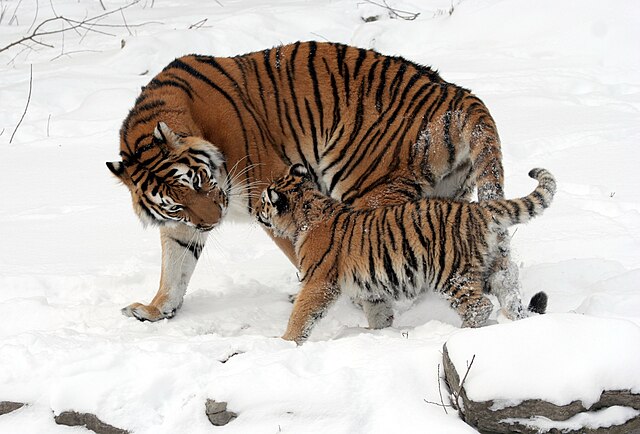
Siberian Tiger, Credit; Wikimedia/Dave Pape
Geographic Location: The Siberian tiger, also known as the Amur tiger, roams the forests of Eastern Russia, with small numbers in China and North Korea.
Risk of extinction: The largest of all tiger subspecies, the Siberian tiger population, is slowly recovering due to tremendous conservation efforts. However, habitat loss and poaching still pose significant threats that need continuous attention. These solitary predators require large territories for hunting and are known for their incredible strength and agility.
Scientific Insights:Conservation efforts, including anti-poaching patrols, habitat preservation, and combatting illegal logging, have made a considerable difference in protecting this species.
1- The Pangolin
Pangolin, Credit; worldwildlife.org/Kyle de Nobrega
Geographic Location: Pangolins are found in Asia and sub-Saharan Africa, with species varying by region.
Risk of extinction: Pangolins are the most trafficked mammals in the world, hunted for their scales and meat. These nocturnal, ant-eating animals are elusive and primarily solitary. Their unique defense mechanism of rolling into a ball cannot protect them from human threats.
Scientific Insights: Research on pangolins is challenging due to their secretive nature, but efforts to study their habitat use, diet, and reproductive behaviors are crucial for developing effective conservation strategies. International cooperation is key to stopping the illegal pangolin trade.
The plight of these animals highlights the broader challenges facing biodiversity across the globe. By understanding their struggles and the efforts to save them, we can appreciate the importance of conservation and the role each of us can play in preserving our planet’s precious wildlife.
Copyright @smorescience. All rights reserved. Do not copy, cite, publish, or distribute this content without permission.
Join 20,000+ parents and educators
To get the FREE science newsletter in your inbox!
SUBSCRIBE TO OUR NEWSLETTER
.......... ..........
Subscribe to our mailing list to get updates to your email inbox.