In his ground-breaking work On the Origin of Species, Charles Darwin made one clear message: a species’ ability to survive doesn’t come from its smartness or strength, but its capacity to adapt to change around it. Here are some of the most adaptable animals on our planet.
10- Camels
Camels, Credit; Wikimedia/Jjron
Where they live: Camels are well suited to their desert habitats. There are two main types of camels: the dromedary, which has one hump and is native to the Middle East and the Sahara of North Africa, and the Bactrian camel, which has two humps and is found in Central Asia.
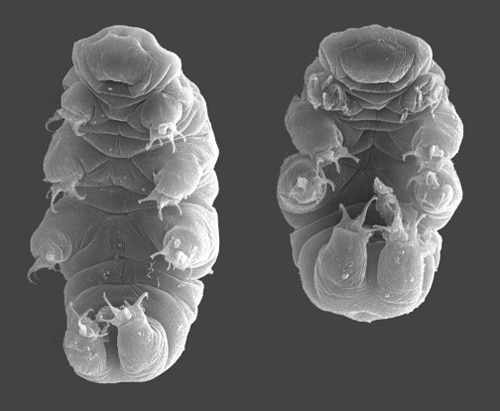
Where they live: Tardigrades, also known as water bears or moss piglets, are found worldwide, from the deepest oceans to the highest mountains, including in Antarctica.
Adaptability Characteristics: Tardigrades are one of the most adaptable animals on the planet. They can survive extreme conditions that would be fatal to most other forms of life, including temperatures close to absolute zero, temperatures higher than boiling water, extreme pressures (more significant than those found in the deepest ocean trenches), radiation, and the vacuum of space. Tardigrades accomplish this through cryptobiosis, where they dry out and effectively halt their metabolism, allowing them to endure these extreme conditions, rehydrate, and resume their activities once conditions improve.
Scientific Facts: The resilience of tardigrades has fascinated scientists, who have studied their DNA to understand how they survive such hostile conditions. Their resiliency is partly due to a protein designated as Dsup (damage suppressor) that protects their DNA from being harmed by some conditions, including ionizing radiation, which is present in soil, water, and vegetation. Their genome reveals many genes encoding stress-related proteins, including those protecting against dehydration and radiation.
8- Crows
Crow, Credit; Wikimedia/Dawn
Where they live: Crows are found worldwide in various habitats, from remote forests to dense urban areas. They are among the most adaptable birds, thriving in almost any environment.
Adaptability Characteristics: Crows are extremely intelligent birds known for their problem-solving skills and ability to adapt to various environments. They can use tools, recognize human faces, and even understand concepts like water displacement. In urban areas, crows have demonstrated remarkable adaptability by using traffic to crack nuts and constructing nests from wire hangers, showcasing their ability to exploit human-made environments to their advantage.
Scientific Facts: Research into crow intelligence has revealed that their brain-to-body size ratio is similar to that of great apes, making them one of the smartest bird species. Studies have also shown that crows engage in behaviors such as mourning their dead. When crows find another crow’s dead body, they alert others in the area, who will gather and begin to make a ruckus themselves. Researchers believe this behavior helps crows learn about potential threats and which locations and predators to avoid. This phenomenon indicates a complex social structure and emotional capacity in these birds.
Adaptability Characteristics: Raccoons are known for their remarkable adaptability, particularly in urban environments. Their dexterous hands allow them to open containers and access food, making them adept at scavenging in cities. Raccoons can eat various foods, from fruits and nuts to fish and garbage, contributing to their success in diverse environments. Their ability to remember the solution to tasks for up to three years helps them navigate the challenges of changing habitats.
Scientific Facts: Studies have shown that raccoons have an impressive capacity for problem-solving and learning, which is crucial for survival in different environments. Their brain structure is geared towards high sensory input, particularly tactile information, through their sensitive hands. This sensory adaptation, combined with a flexible diet and nocturnal habits, makes raccoons proficient urban adapters capable of thriving in environments heavily modified by humans.
6- Bears
Bear, Credit; Wikimedia/Hollingworth, John and Karen, U. S. Fish and Wildlife Service
Where they live: Bears are found in North America, South America, Europe, and Asia. Their habitats range from the ice fields of the Arctic to the forests of the temperate zone and the mountains of the Andes and Himalayas.
Adaptability Characteristics: Bears are among the most adaptable of the larger carnivores, living in various habitats and exhibiting diverse dietary habits. When food is scarce in winter, most bears have a solution in hibernation, a physical state that involves lowering the body temperature, slowing the metabolism, and utilizing fat reserves for energy, allowing bears to survive without eating for months. For example, grizzly and black bears can live around 100 days without drinking, eating, or urinating. They live off a layer of fat that they build up during the summer and fall. Additionally, species, including the brown bear, can live in forests, mountains, and even arctic tundra, showing a remarkable ability to find food, whether it’s fish, fruit, nuts, or small mammals.
Scientific Facts: Recent research has focused on understanding the genetic basis of hibernation and the ability of bears to prevent muscle atrophy during this period. Studies discovered that these animals can regulate the expression of genes related to organ growth, energy metabolism, and amino acid availability.
5- Humans
Humans, Credit; Wikimedia/ Ildar Sagdejev
Where they live: Humans are found worldwide, from Antarctica’s icy reaches to the Amazon’s dense jungles. Our adaptability has allowed us to inhabit a vast range of environments.
Adaptability Characteristics: Humans may be considered the most adaptable species on Earth, capable of modifying our environments to suit our needs rather than evolving physical changes to adapt. We wear clothing for protection, build shelters for habitation, develop agriculture for food, and create technology to overcome challenges. Our ability to communicate complex ideas and learn from one another has enabled us to thrive in virtually any environment.
Scientific Facts: The human brain is our most significant adaptive advantage. Its capacity for complex thought, problem-solving, and social organization has allowed humans to develop cultures, technologies, and societies that can adapt to various environments. Studies in genetics and anthropology have shown that humans have also undergone subtle evolutionary adaptations to different environments. When traveling to high altitudes, our bodies adjust our cells to receive sufficient oxygen. We also constantly respond to internal and external stresses, including bacterial and viral infections, air and water pollution, dietary imbalance, and overcrowding.
4- Pigeons
Pigeon, Credit: Wikimedia/Satdeep Gill
Where they live: Pigeons are found worldwide, thriving in urban environments and natural cliffside habitats.
Adaptability Characteristics: Pigeons are incredibly adaptable, having integrated seamlessly into urban landscapes. They can eat various foods that the urban environment provides, from seeds and insects to discarded human food. Pigeons possess an extraordinary memory for spatial navigation, which is evident in their homing ability. They can return to their nests over extremely long distances, a skill that humans have harnessed for pigeon-post systems historically.
Scientific Facts: The homing ability of pigeons is a subject of ongoing research, with studies suggesting a combination of magnetic sense and solar navigation as essential factors in their remarkable navigational skills. In addition to these remarkable features, scientists have found evidence that pigeons have good long-term memory, since a single bird was able to memorize 1,200 pictures.
3- Foxes
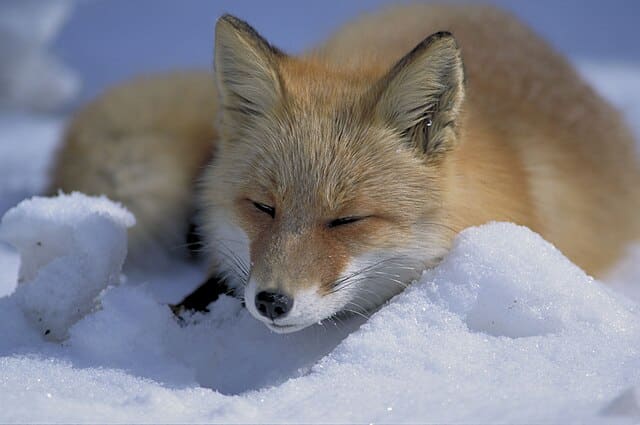
Fox, Credit; Wikimedia/Shiretoko-Shari Tourist Association
Where they live: Foxes are distributed worldwide, inhabiting environments from the Arctic tundra, to the deserts of North Africa, to the urban landscapes of Europe and North America.
Adaptability Characteristics: Foxes are quintessential survivors, with their ability to exploit a variety of habitats and food sources. Urban foxes, for example, have adapted to city life, scavenging food from trash and gardens. Their diverse diet includes rodents, birds, fruits, and insects. Foxes are solitary, elusive creatures with excellent senses of hearing and smell, which aids them in hunting and avoiding predators.
Scientific Facts: Studies have shown that foxes can adjust their hunting techniques and diet based on the availability of prey and the specific challenges of their environment. Genetic research has begun to uncover how foxes have evolved to thrive in urban areas, including changes related to diet, disease resistance, and behavior, illustrating the rapid pace of evolutionary change in response to human-altered landscapes.
2- Cockroaches
Cockroach, Credit: Wikimedia/Nativeplants garden
Where they live: Cockroaches are found worldwide, with a significant presence in human habitats, including homes, restaurants, and subway systems.
Adaptability Characteristics: Cockroaches are notorious for their resilience and adaptability, and they can survive in different environments, from tropical to temperate regions. They can eat almost anything organic, including glue, grease, soap, and waste. Their ability to live for a month without food and to survive on limited water resources contributes to their persistent presence in human environments.
Scientific Facts: Research on cockroaches has revealed fascinating aspects of their adaptability, including their rapid reproduction rate, resistance to pesticides, and the ability to develop immunity to toxic substances over time. Genetic studies have shown that cockroaches have evolved complex detoxification systems and microbial symbionts in their guts that help them digest various substances, highlighting their incredible capacity to adapt to challenging environments.
1- Rats
Where they live: Rats are found worldwide, thriving in close association with human populations in urban and rural settings.
Adaptability Characteristics: Rats are one of the most adaptable mammalian species on Earth. They can live in various environments, from sewers and subways to fields and forests. Rats are omnivorous, feeding on various foods, which makes them adept at surviving in environments ranging from pristine wilderness to densely populated urban areas. Their intelligence and behaviors, such as neophobia (fear of new things), help them evade dangers and adapt to environmental changes. Rats rely on their keen sense of smell to find food, avoid predators, and communicate with one another. They can detect odors associated with food or other rats from significant distances, an ability vital to their survival and social interactions.
Scientific Facts: Studies on rats have shown that they possess a remarkable level of intelligence, memory, and learning ability, which contributes to their adaptability. Their social structures are complex, with rats capable of learning from each other and adapting their behavior based on past experiences. Scientists found that these animals could perceive distress in other rats, associate it with their prior affective experience, and modify their behavior accordingly.
Copyright @smorescience. All rights reserved. Do not copy, cite, publish, or distribute this content without permission.
Join 20,000+ parents and educators
To get the FREE science newsletter in your inbox!
SUBSCRIBE TO OUR NEWSLETTER
.......... ..........
Subscribe to our mailing list to get updates to your email inbox.