In the quest to live more sustainably, every little bit helps, including rethinking about our food choices. The concept of reducing your food’s carbon footprint might seem daunting at first, but it’s actually filled with simple, actionable steps that can lead to significant environmental benefits. One of the most effective strategies is incorporating local produce into your diet. Let’s dive into why and how making this shift can make a difference, armed with evidence and easy-to-understand explanations.
The carbon footprint of food: A quick overview
Every item on our plates comes with a carbon footprint, referring to the total amount of greenhouse gases, including carbon dioxide, methane, and nitrous oxide, that are emitted during production, transportation, and consumption. Research has shown that food production accounts for about a quarter of the world’s greenhouse gas emissions, with meat and dairy being particularly high contributors (Poore & Nemecek, 2018). This highlights the urgency of making more environmentally friendly food choices.
Why local produce?
Choosing local produce can significantly reduce the carbon footprint associated with transportation. Foods transported long distances, often referred as ‘food miles’, contribute to higher emissions due to the fuel burned during transport. In contrast, local produce, often harvested closer to its point of sale, requires less transportation, emitting fewer greenhouse gases. Furthermore, local produce is typically fresher and supports local economies, creating a win-win situation for the environment and the community.
Understanding seasonality
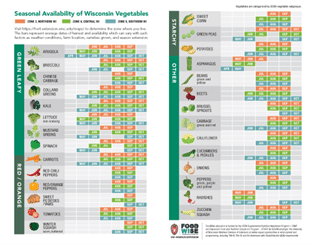
Seasonality plays a crucial role in the sustainability of food. Eating fruits and vegetables in their natural growing season can reduce the need for energy-intensive greenhouse production or long-distance imports, both of which have high carbon footprints. Seasonal eating also encourages a diverse diet and supports the body’s nutritional needs throughout the year, aligning health benefits with environmental sustainability.
The impact of packaging
Local produce often comes with less packaging than its supermarket counterparts, which are heavily packed to endure long-distance transportation. Reducing packaging waste is crucial as the production and disposal of plastic contribute significantly to carbon emissions and environmental pollution. Hence, choosing unpackaged local produce helps minimize this impact.
Community supported agriculture (CSA)
Participating in a CSA program directly supports local farmers and reduces their carbon footprint. CSA members buy shares of a farm’s harvest in advance, providing farmers with needed capital at the start of the growing season. This system fosters a closer connection between consumers and their food sources, reduces food miles, and often uses more sustainable farming practices.
The benefits of farmers’ markets
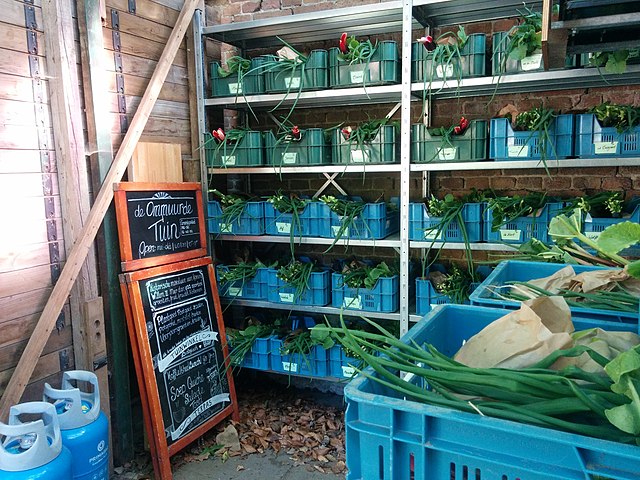
Farmers’ markets are treasure troves of local, seasonal produce. They offer fresh food with lower carbon footprints and reduce the need for packaging and long-haul transportation. Plus, shopping at farmers’ markets supports local agriculture and keeps money within the community, contributing to its economic sustainability.
Reducing food waste
Minimizing food waste is another critical aspect of reducing your food’s carbon footprint. Food waste contributes to greenhouse gas emissions when it decomposes in landfills. Buying local produce can help reduce waste as it tends to last longer than food transported over long distances, giving consumers more time to use it before it spoils.
Sustainable farming practices
Local farmers often employ sustainable farming practices that reduce the need for chemical fertilizers and pesticides, which have high carbon footprints. Practices such as crop rotation, organic farming, and permaculture support soil health and mitigate climate change by capturing carbon in the soil.
The role of consumer choice
Every purchase we make sends a message about the values we support. Choosing local produce over imported goods can drive demand for sustainable farming practices, encouraging more farmers to adopt better methods for the planet. It’s a powerful way for consumers to contribute to a more sustainable food system.
Looking forward:
Reducing your food’s carbon footprint through local produce is a journey filled with learning, exploration, and delicious discoveries. It’s about making mindful choices that align with our environmental values, one meal at a time. While the challenge of climate change is vast, the collective impact of individual actions like these can pave the way for a healthier planet.
Conclusion
Embracing local produce offers many benefits, from reducing greenhouse gas emissions to supporting local economies and promoting biodiversity. By making informed choices about where our food comes from, we can all play a part in mitigating climate change and fostering a sustainable future. Remember, every small step counts in the journey towards sustainability, starting with what’s on your plate.
Frequently Asked Questions (FAQ)
What is a carbon footprint?
A carbon footprint refers to the total greenhouse gas emissions caused directly and indirectly by an individual, organization, event, or product. In terms of food, it includes emissions from farming, processing, transportation, storage, cooking, and disposal.
Why does local produce have a lower carbon footprint?
Local produce typically travels shorter distances from farm to consumer, which means less fuel consumption and fewer greenhouse gas emissions during transportation. Additionally, local farms are more likely to use sustainable practices that contribute to lower overall emissions.
How does eating seasonally reduce my carbon footprint?
Eating seasonally means consuming fruits and vegetables when they are naturally ripe and harvested. This reduces the need for artificial heating or lighting in greenhouses and decreases reliance on imports from faraway places, both of which are energy-intensive and increase carbon emissions.
Can changing my diet impact the environment?
Yes, individual dietary choices can collectively have a significant impact on the environment. By choosing local and seasonal produce, reducing meat consumption, and minimizing food waste, individuals can contribute to lower greenhouse gas emissions and a more sustainable food system.
How can I start incorporating more local produce into my diet?
Begin by visiting local farmers’ markets, joining a Community Supported Agriculture (CSA) program, or looking for local produce sections in your supermarket. You can also start a small vegetable garden to grow your produce.
Contributors