Who would’ve thought a creature as unassuming as the superworm beetle could be so riveting? These little guys, far from being the stuff of entomological studies, are a wonder of nature, teeming with secrets and surprises.
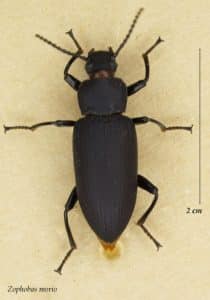
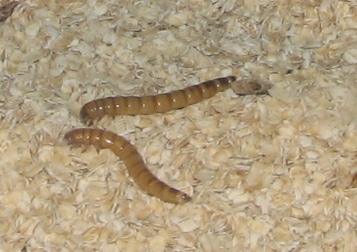
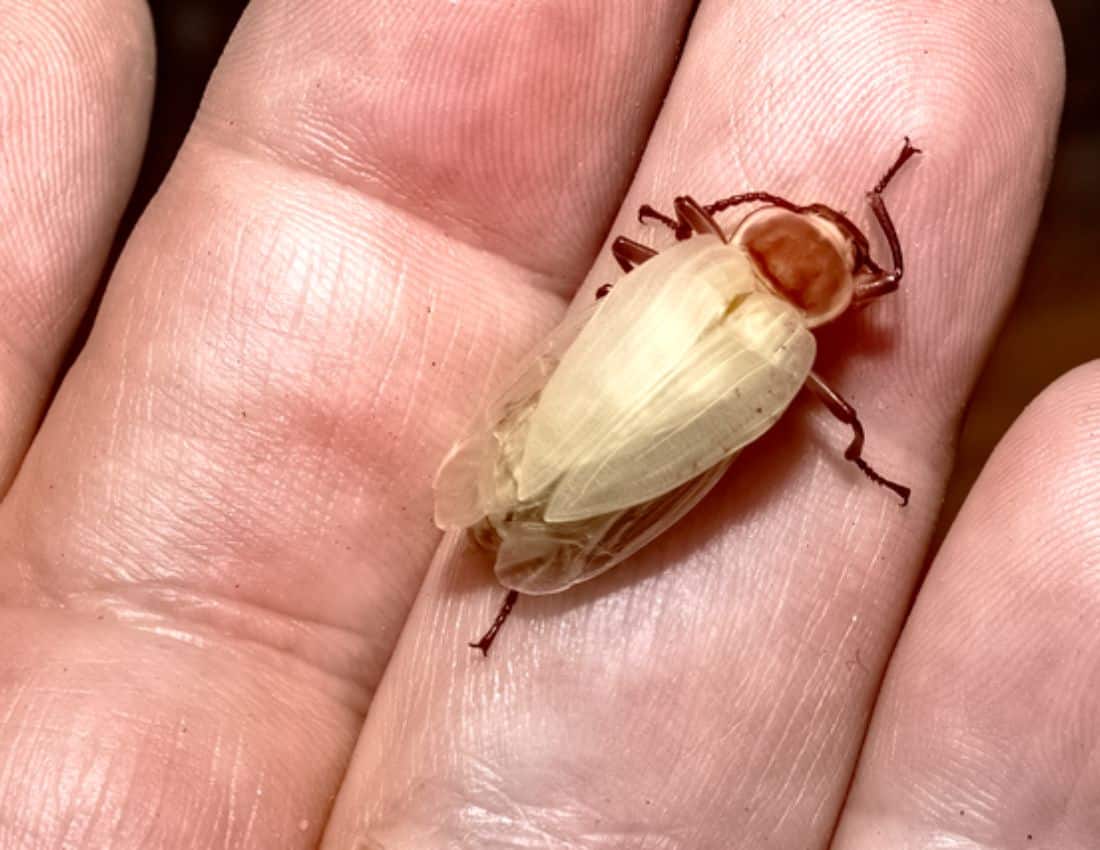
Superworm beetles, scientifically known as Zophobas morio, are not your average backyard bug. They’re like the superheroes of the insect world, boasting an array of fascinating abilities. Originating from Central and South America, these beetles lead a life full of twists and turns, metamorphosing from larvae (the superworms) into adult beetles. Each stage of their life is a story in itself, marked by distinct traits and behaviors.
You might be wondering, “Where do these critters hang out?” The answer is -everywhere! Superworm beetles are not picky about their homes. They thrive in a variety of environments, from moist soil to decaying wood. What’s particularly intriguing is their resilience. These beetles can adapt to different conditions, making them a symbol of nature’s versatility. They’re like the all-terrain vehicles of the insect world, conquering various habitats with ease!
Superworm beetles are not just beetles; they’re also foodies! Their diet is diverse, munching on everything from vegetables to decaying organic matter. This varied diet contributes to their robustness, allowing them to thrive in various environments. It’s like having an all-access pass to the buffet of nature!
A study published in the journal Microbial Genomics revealed that superworms have a voracious appetite for polystyrene – the common plastic used in everything from cups to packaging peanuts. Researchers led by Chris Rinke from the University of Queensland in Australia found that these worms can survive on a diet consisting solely of this plastic.
Giant Mealworms, Credit; Wikimedia/Ltshears
This unique ability to feast on a staple material like expanded polystyrene foam hints at the possibility of using superworms to help solve plastic pollution problems. But more research is needed to understand the chemical changes occurring inside the worms’ guts when they consume plastic.
Superworm beetles, small as they may be, have a giant role in our ecosystem .
As decomposers , they help break down organic matter, contributing to soil health. But that’s not all. They’re also a valuable food source for various animals, linking different parts of the food chain. In a sense, they’re the heroes of the ecosystem, tirelessly working behind the scenes to keep nature in balance.
Glossary
Metamorphosis: A biological process by which an animal physically develops after birth or hatching, involving a conspicuous change in its body structure.
Decomposers: Organisms that break down dead or decaying organisms, contributing to the recycling of nutrients.
Ecosystem: A community of interacting organisms and their physical environment.
Larva (plural: larvae): The juvenile form of an animal that undergoes metamorphosis, differing significantly from the adult form.