In an era where there is a need for sustainability and environmental preservation, green chemistry emerges as a beacon of hope. This innovative field, often shadowed by the more glaring aspects of science, plays a pivotal role in crafting a future where the chemical industry doesn’t just thrive but does so responsibly. Let’s dive deep into the essence of green chemistry, unraveling its importance comprehensibly.
Green chemistry: A primer
At its core, green chemistry is about redesigning chemical processes and products to reduce or eliminate the use and generation of hazardous substances. Think of it as the eco-friendly cousin of traditional chemistry, which often gets a bad rap for pollution and safety risks. Green chemistry aims to minimize the environmental footprint of chemical manufacturing and usage by focusing on sustainability from the get-go. It’s not just about making the existing processes less harmful but reimagining them to be benign by design.
Chemical Recycling Process
Why it matters?
You might wonder, “Why all the fuss about green chemistry?” Well, the answer lies in the staggering impact the chemical industry has on our planet. From the plastic water bottle to the fuel powering your car, there are chemicals everywhere. Unfortunately, so are their often-toxic byproducts. Green chemistry offers solutions to reduce environmental hazards, ensuring that future generations inherit a clean and safe world.
The principles of green chemistry
The guiding stars of green chemistry are its twelve principles, which include reducing waste, designing safer chemicals, and using renewable feedstocks. These principles serve as a roadmap for scientists and engineers, encouraging them to think creatively about how they can minimize harm while maximizing efficiency.
Real-world applications
Imagine a world where we color our clothes without polluting waterways, or synthesize medicines by processes that don’t generate toxic waste. This is not a dream but a reality forged by green chemistry. From pharmaceuticals to agriculture, the applications of green chemistry are vast and varied, offering a glimpse into a future where chemistry and environmental stewardship go hand in hand.
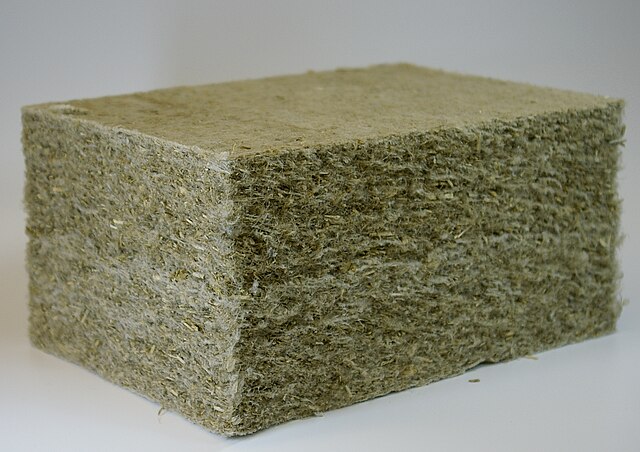
Renewable Feedstocks in Green Chemistry, Credit: Wikimedia/Christian Gahle, nova-Institut GmbH
The economic upside
Besides its environmental benefits, green chemistry is economical. By reducing waste and energy consumption, companies can lower their operational costs. Also, green chemistry opens up new markets for sustainable products, appealing to the growing number of consumers who prioritize environmental responsibility.
Challenges ahead
Despite its promise, the path to widespread adoption of green chemistry has its challenges. The initial costs of research and development can be high and often resistance to change may arise from established industries. Additionally, there’s a need for more education and training to equip the next generation of chemists with the skills to innovate in green chemistry.
The role of policy
Government policies are crucial in promoting green chemistry. By offering incentives for sustainable practices and setting stringent environmental regulations, policymakers can encourage industries to adopt green chemistry principles.
The future is green
As we look ahead, green chemistry seems very important. With the planet facing unprecedented environmental challenges, the need for sustainable chemical practices is more pressing than ever. Green chemistry offers solutions to current problems and paves the way for a future where the harmony between human progress and environmental health is a reality.
Your role in the green chemistry movement
You might think, “I’m not a chemist, so what can I do?” The truth is everyone has a role to play. Whether supporting companies that embrace green chemistry, advocating for stronger environmental policies, or simply spreading the word, your actions can make a difference.
Conclusion
The journey toward a sustainable future is long and complex, but with green chemistry lighting the way, there’s hope on the horizon. By embracing the principles of green chemistry, we can forge a path that leads not just to environmental preservation but to economic prosperity and improved quality of life for all. As we continue to explore and innovate, let’s remember that every step taken in the direction of green chemistry is a step toward a brighter, greener future.
Frequently Asked Questions (FAQ)
What is green chemistry?
Green chemistry involves designing chemical products and processes that reduce or eliminate the use and generation of hazardous substances, aiming for sustainability and environmental friendliness.
Why is green chemistry important?
It reduces pollution at the source, minimizes exposure to toxic chemicals, conserves resources, and supports economic growth through sustainable practices.
How does green chemistry differ from traditional chemistry?
Unlike traditional chemistry, which often focuses on the effectiveness of chemical reactions regardless of their environmental impact, green chemistry prioritizes safety, waste reduction, and energy efficiency from the start.
Can green chemistry be applied in all chemical industries?
Yes, green chemistry principles can be applied across various sectors, including pharmaceuticals, agriculture, manufacturing, and energy, offering universal solutions to environmental challenges.
How can I contribute to the green chemistry movement?
Individuals can support green chemistry by advocating for environmental policies, choosing products from companies that prioritize sustainable practices, and raising awareness about the importance of green chemistry.
Gupta, R., Kushwaha, A., Dave, D., & Mahanta, N. R. (2022). Waste management in fashion and textile industry: Recent advances and trends, life-cycle assessment, and circular economy. In Elsevier eBooks (pp. 215–242). https://doi.org/10.1016/b978-0-323-85403-0.00004-9