What is Green Cleaning ?

In today’s environmentally conscious world, “green cleaning” has emerged as a term that resonates with many. But what exactly does it entail? Let’s dive deep into the essence of green cleaning, shedding light on its importance, practices, and benefits in an informative and engaging way.

The essence of green cleaning

Green cleaning goes beyond just swapping out your conventional cleaning products for those labeled as “eco-friendly.” It’s a holistic approach that considers the impact of the cleaning process on health and the environment. This method involves using products and practices that are less harmful to the earth and safer for humans and pets. But why the sudden shift? Studies have shown that traditional cleaning agents can contain harsh chemicals that may cause health issues ranging from skin irritations to more serious respiratory problems.

The shift towards healthier choices

The move towards green cleaning is influenced by a growing awareness of these health implications. A study published in the *American Journal of Respiratory and Critical Care Medicine* highlighted a link between long-term exposure to cleaning sprays and a decline in lung function. This eye-opening research has led many to rethink their cleaning practices, opting for safer, more sustainable alternatives.

What makes a product green?

Not all products that claim to be green are created equal. True green cleaning products are biodegradable, made from renewable resources, and free from toxic chemicals. They often carry certifications like Green Seal or EcoLogo, indicating they’ve met strict environmental standards. These products are kinder to the planet and reduce the risk of chemical exposure in your home.

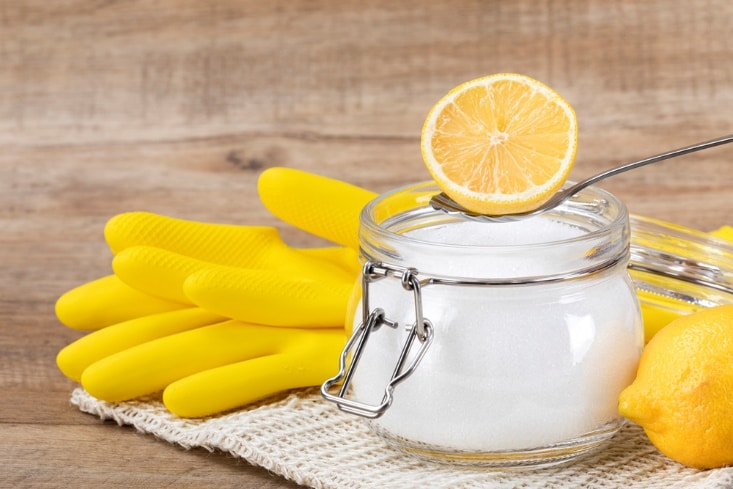
A lemon on a spoon in a jar with a lemon wedge on top Description automatically generated
DIY Green Cleaning Ingredients, Credit: depositphotos.com/submission@bbtree.co.kr

The benefits of green cleaning

Adopting green cleaning practices offers a plethora of benefits. It significantly reduces pollutants entering our waterways and contributes to a healthier ecosystem. It improves indoor air quality and reduces the risk of allergies and asthma. As most green cleaning solutions are made from everyday household items like vinegar and baking soda, it can help save costs.

Incorporating green cleaning into your routine

Making the switch to green cleaning doesn’t have to be daunting. Start small by replacing one or two conventional products with their green counterparts. Educate yourself on the ingredients in your cleaning products and look for natural alternatives. Remember, the goal is to make sustainable choices that benefit both your health and the environment.

DIY green cleaning solutions

For those interested in DIY, creating your own cleaning products can be a fun and effective way to embrace green cleaning. Simple ingredients like lemon, vinegar, and essential oils can be used to make effective cleaners that smell great and work wonders. This approach cost-effective, and allows you to control exactly what goes into your cleaning products.

The impact on the environment

The environmental impact of green cleaning is significant. By reducing the use of hazardous chemicals, we lessen the burden on our waste and water treatment systems. A study in the *Journal of Environmental Management* found that switching to green cleaning products can significantly reduce the ecological footprint of cleaning practices, highlighting the positive impact these changes can have on our planet.

The role of technology in green cleaning

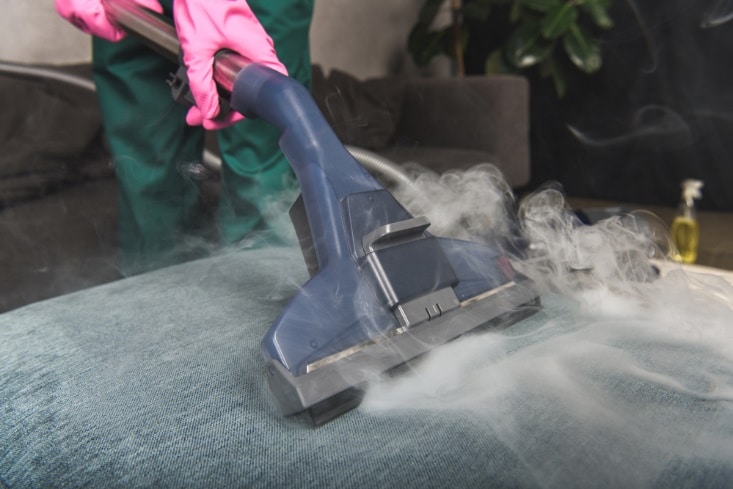
Advancements in technology have also played a pivotal role in the rise of green cleaning. Innovative products like microfiber cloths and steam cleaners offer effective cleaning solutions without the need for chemicals. These tools improve cleaning efficiency and support sustainable practices by minimizing waste.

Microfiber Cloths
Microfiber Cloths and Steam Cleaner, Credit: depositphotos.com/AlexShadyuk

Community and commercial adoption

The adoption of green cleaning practices isn’t just limited to households. Schools, offices, and healthcare facilities are increasingly recognizing the benefits of eco-friendly cleaning. This shift is better for the environment and creates healthier spaces for students, employees, and patients.

Looking ahead: the future of green cleaning

As we become more conscious of our environmental impact, the future of green cleaning looks promising. With ongoing research and innovation, green cleaning practices will continue to evolve, offering safer and more sustainable solutions for our cleaning needs.

In conclusion, green cleaning represents a crucial step towards a healthier, more sustainable future. By making informed choices about the products and practices we use, we can all contribute to a cleaner, greener world.

Frequently Asked Questions (FAQ)

What exactly is green cleaning?

Green cleaning involves using methods and products with environmentally friendly ingredients and procedures designed to preserve human health and environmental quality.

Are green cleaning products as effective as traditional ones?

Yes, green cleaning products can be just as effective as traditional ones. Many use natural substances that effectively remove dirt and disinfect surfaces without harsh chemicals.

Can I make my green cleaning products at home?

Absolutely! Many green cleaning solutions use vinegar, baking soda, lemon, and essential oils. These ingredients are natural, inexpensive, and widely available.

How do green cleaning practices benefit the environment?

Green cleaning reduces the release of harmful chemicals into the environment, lessens water pollution, improves air quality, and often involves using sustainable, biodegradable materials.

Are there certifications I should look for when choosing green cleaning products?

Yes, look for certifications like Green Seal or EcoLogo. These indicate that the products meet strict environmental standards for sustainability and safety.

References

Garza, J. L., Cavallari, J. M., Wakai, S., Schenck, P., Simcox, N., Morse, T., Meyer, J. D., & Cherniack, M. (2015). Traditional and environmentally preferable cleaning product exposure and health symptoms in custodians. American Journal of Industrial Medicine, 58(9), 988–995. https://doi.org/10.1002/ajim.22484

Cummings, K. J., & Virji, M. A. (2018). The Long-Term Effects of Cleaning on the Lungs. American Journal of Respiratory and Critical Care Medicine, 197(9), 1099–1101. https://doi.org/10.1164/rccm.201801-0138ED

Garza, J. L., Cavallari, J. M., Wakai, S., Schenck, P., Simcox, N., Morse, T., Meyer, J. D., & Cherniack, M. (2015). Traditional and environmentally preferable cleaning product exposure and health symptoms in custodians. American Journal of Industrial Medicine, 58(9), 988–995. https://doi.org/10.1002/ajim.22484

Hao, X., Wen, S., Sun, Q., Irfan, M., Wu, H., & Hao, Y. (2023). How does the target of green innovation for cleaner production change in management process? Quality targeting and link targeting. Journal of Environmental Management, 345, 118832. https://doi.org/10.1016/j.jenvman.2023.118832

O’Brien S. (2006). Going green. Selecting the right environmentally friendly cleaning products. Health Facilities Management, 19(10), 53–56. https://pubmed.ncbi.nlm.nih.gov/17073316/


Contributors

  • Sai Sudha

    Dr. Sudha Purushothaman with a Ph.D. in Biochemistry has been fascinated by writing for a long, long time. She researches metabolism and its role in pluripotency. Her commitment to research kept her away from writing. Finally, during the pandemic she became a full-time science writer. She strongly believes that curiosity-driven learning harnesses the cognitive skills. She considers that writing is a way of leaving your fossil behind. She enjoys creativity in writing and believes that every article must have a storyboard.
    She needs her daily dose of yoga and recommends yoga and meditation for neural connectivity.
    The prime attraction in writing and editing for Smore is the target audience, youngsters who need to be inspired to seek STEM as their career.

    View all posts

Copyright @smorescience. All rights reserved. Do not copy, cite, publish, or distribute this content without permission.


Join 20,000+ parents and educators
To get the FREE science newsletter in your inbox!