Taurine is like a superhero ingredient found in your body. It’s an amino acid , but not the kind that builds muscles. Think of it as a helper molecule that does some cool stuff to keep you healthy.
Taurine Molecule, Credit: Wikimedia/Yikrazuul
Taurine's role in the body
Taurine is one of the most multifunctional amino acids in the human body, involved in a staggering array of physiological processes. It is often called a “wonder molecule” due to its countless vital functions.
● Cardiovascular Health
One of taurine’s most researched roles is in maintaining cardiovascular function. It helps regulate critical minerals like potassium, magnesium, and calcium that are essential for proper heart contractions and electrical signaling between heart cells. Taurine also reduces inflammation and prevents plaque buildup in blood vessels. Through these mechanisms, it keeps your heart beating strongly and evenly, allowing it to pump blood more efficiently throughout the body.
Human Heart Diagram, Credit: Wikimedia/ Wapcaplet, Yaddah
● Nervous System Function
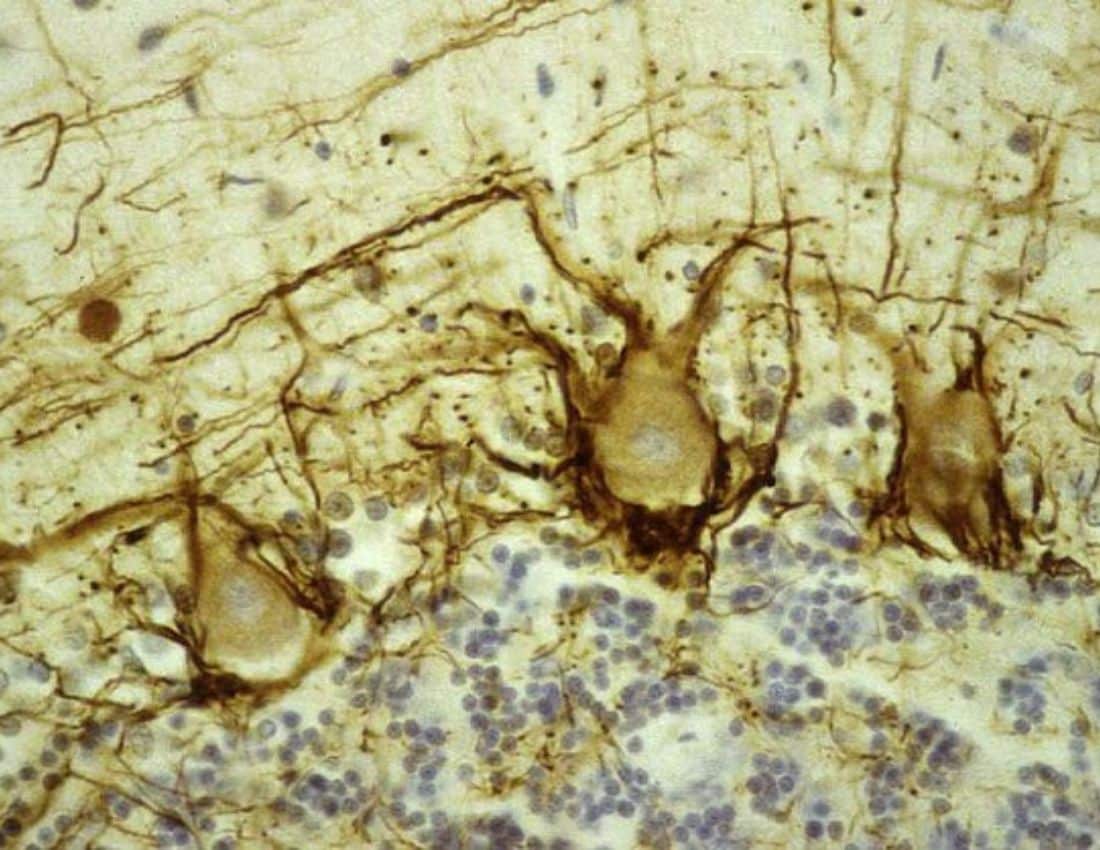
Taurine is crucial for proper nervous system function. It aids in the development of neurons in the brain, helping form the intricate networks of nerve cells that allow us to think, perceive, move, and sense the world around us. Taurine also has inhibitory neurotransmitter-like functions, meaning it helps tone down overactivity and regulates abnormal impulses between nerve cells. This makes nerve signaling smoother and more controlled.
● Detoxification
Your liver is the body’s filter, removing toxins that can damage cells. Taurine helps liver cells capture and break down environmental pollutants and cellular waste so they can be safely expelled from the body. This prevents a buildup of poisons that would otherwise overwhelm your systems.
As you can see, taurine acts as a “tiny bodyguard” inside us – protecting cardiovascular function, supporting the nervous system, filtering out toxins, and carrying out numerous other protective processes that maintain optimal health. It is a versatile “wizard” of an amino acid!
Natural sources of taurine
Though it can be taken as a supplement, there are also several natural food sources that contain high levels of this valuable nutrient:
● Fish and Shellfish – Some of the highest natural concentrations of taurine are found in fish and shellfish. Specifically, shellfish like mussels and clams contain over 300 milligrams of taurine per 3-ounce serving. Fatty fish like salmon and mackerel are also excellent sources, with nearly 200mg per 3-ounce portion. The abundance of taurine in seafood is one reason why these foods are so beneficial for heart health.
● Red Meat – While not quite as high in taurine as seafood, red meats like beef, lamb, and pork also supply a healthy dose. A serving of 3 ounces of these meats contains about 60-90mg of the amino acid. Taurine content does vary based on cut, with organ meats like liver being exceptionally concentrated sources.
● Dairy – Milk products like cow’s milk and yogurt also harbor worthwhile amounts of taurine. An 8oz glass of whole milk supplies around 6mg, while a 6oz serving of yogurt contains 25-60mg or more. Whey protein powders are another dairy-derived choice that contains this nutrient.
Other sources of taurine
Taurine in Energy Drinks Many energy drinks have taurine. It’s added to give you an extra energy boost. But remember, too much of anything, even good stuff like taurine, can be not-so-good.
Taurine indietary supplements Taurine is also in supplements. These are helpful if you don’t get enough taurine from food. It’s like a helping hand for your taurine levels.
So, while taking a taurine supplement is an option for increasing your intake, eating a balanced diet featuring sources like fish, shellfish, red meat, and dairy products is a more natural way to obtain this vital amino acid your body requires.
Taurine is a versatile, helpful molecule that supports your heart, brain, and eyes. It’s like a tiny superhero in your body!
Having the right amount of taurine is key. Eating a varied diet is the best way to make sure you get enough taurine.
Glossary
Amino Acid: The building blocks of proteins in the body, but taurine is a bit different as it doesn’t build proteins.
Molecule: A group of atoms bonded together, representing the smallest fundamental unit of a chemical compound.
Nerve Cells: Also known as neurons, these are the core components of the brain, spinal cord, and nervous system.
Dietary Supplements: Products taken orally that contain a dietary ingredient, like taurine, intended to supplement the diet.