Have you ever looked up at the moon and wondered what it would be like to live there? It’s not just the stuff of science fiction anymore. With space agencies and private companies aiming for lunar colonization, this dream could become a reality in the not-so-distant future. But, as exciting as it sounds, living on the moon is not a walk in the park. In this article, we’ll dive deep into the challenges that lunar residents might face, from harsh environmental conditions to psychological hurdles.
The harsh lunar environment
First off, the moon’s environment is nothing like Earth’s. There’s no breathable air and the lunar surface is barraged with harmful solar radiation. Unlike Earth, which has a protective atmosphere, the moon offers no shield from the sun’s damaging rays. Scientists have been studying ways to protect lunar inhabitants, possibly by building habitats underground or using regolith (lunar soil) as a shield.

Gravity: A weighty issue
Gravity on the moon is only about one-sixth of Earth’s. Sounds fun, right? Well, not entirely. Prolonged exposure to low gravity can lead to muscle atrophy and bone density loss. Astronauts aboard the International Space Station undergo rigorous exercise regimes to combat these effects, but how will this translate to living on the moon long-term? Researchers are exploring various solutions, including artificial gravity habitats, to address this issue.
The challenge of creating a lunar society
Establishing a society on the moon presents its own set of challenges. How will lunar residents govern themselves? What laws will they follow? These questions aren’t just philosophical but practical. Living in a small, isolated community under stressful conditions could lead to psychological and social issues. Studies on Antarctic research stations, which have similar isolated conditions, offer valuable insights into how lunar societies might function.
Water, water, not everywhere
Water is essential for life, but it’s scarce on the moon. Recent discoveries of ice in lunar craters are promising, but extracting and purifying this water will be a massive challenge. Scientists are exploring innovative techniques for lunar water extraction, which is crucial for sustaining a lunar colony.
Food for thought: Sustaining lunar appetites
Growing food on the moon is another hurdle. The lack of atmosphere and natural soil makes traditional farming impossible. Researchers are experimenting with hydroponics and other forms of controlled-environment agriculture to find ways to grow food in lunar conditions.
The long and short of lunar days
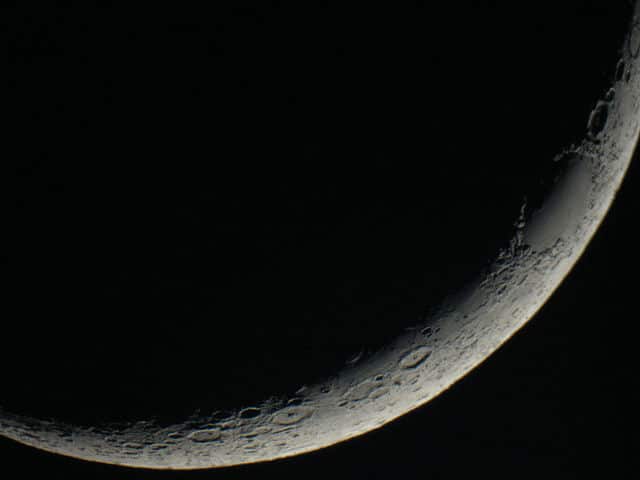
A lunar day lasts about 29.5 Earth days. This means prolonged periods of darkness and extreme temperature variations, which can impact both physical and mental health. Scientists are studying how to create artificial environments to mitigate these effects.
Keeping in touch: Communication challenges
Communication with Earth will have a time delay, creating challenges for both personal and professional interactions. This delay could impact everything from personal relationships to mission-critical decisions.
Economic viability
Establishing a lunar colony will be astronomically expensive. Who will fund these missions, and how will lunar colonies be economically sustainable? These are questions that space agencies and private companies are currently grappling with.
Conclusion
Living on the moon is an exciting prospect, but it’s fraught with challenges. As we push the boundaries of human exploration, it’s crucial to address these issues head-on. The moon might be our closest neighbor in space, but making it our second home is a giant leap that requires careful planning, innovation, and international cooperation.
In this journey towards lunar habitation, we stand on the cusp of a new era in human history. As we tackle these challenges, we’re not just learning how to live on the moon but how to sustain life in the most inhospitable conditions imaginable. It’s a testament to human ingenuity and our unyielding spirit of exploration.
Read more
A Scientific Perspective On Lunar Eclipses, A Frequent Celestial Phenomena
The Moon’s Effect On Earth: How Lunar Gravity Sways The Atmospheric Ballet
Is The Moon Hot Or Cold? Understanding The Moon’s Wild Temperature Swings
Exploring Moon Rocks, A Geological Wonder From Lunar Landscapes
9 Breakthrough Technologies Transforming Your Life Courtesy Of Moon Missions
Contributors