Introduction
The Moon, our celestial neighbor, has always been a source of fascination and mystery. One of the most intriguing aspects of the Moon is its geology, particularly the different types of moon rocks. These rocks aren’t just your average pebbles; they are keys to understanding the history and composition of the Moon and, by extension, our planet Earth. This article aims to demystify the complex world of lunar geology, making it accessible to everyone.
The basics: What are moon rocks?
The moon is built of unique structures called moon rocks. They were brought back to Earth during the Apollo missions, providing scientists with a tangible piece of our lunar companion. These rocks vary in composition, texture, and age, offering a unique window into the Moon’s past. They’re not just rocks; they’re lunar time capsules.

The primary types: Basalts and anorthosites
There are two primary types of moon rocks: basalts and anorthosites. Basalts are dark and dense rocks in the lunar “seas” or maria. They are formed from volcanic activity and are younger than anorthosites. Anorthosites, on the other hand, are lighter and make up the highlands of the Moon. They’re composed mainly of a mineral called plagioclase feldspar and are older than basalts.
The story of basalts: Understanding lunar volcanism
Basalts tells the story of the Moon’s volcanic past. These rocks formed when lava flowed and cooled on the lunar surface. Their composition provides clues about the interior of the Moon. Studies have shown that lunar basalts are rich in iron and magnesium but poor in silica compared to Earth’s basalts. This difference gives insights into the Moon’s unique volcanic processes.
Anorthosites: Witnesses of the early moon
Anorthosites are like the wise old sages of moon rocks. They’re believed to have formed early in the Moon’s history when a magma ocean covered its surface. As this ocean cooled, minerals crystallized and floated to the top, creating the anorthosites. Analyzing these rocks helps scientists understand the early differentiation and crust formation of the Moon.
Breccias: The moon’s mosaics
Breccias are another fascinating type of moon rocks. They are a mosaic of various rock types fused by the intense heat and pressure from meteorite impacts. Breccias are like a mixed bag of lunar history, containing fragments of numerous rocks, telling multiple stories of the Moon’s past.
Regolith: More than just moon dust
The surface of the moon is covered by a layer of fine, powdery dust and broken rock fragments known as regolith. While not a rock in the traditional sense, regolith plays a crucial role in lunar geology. It forms due to constant meteorite impacts breaking down the surface rocks. Regolith samples have provided a wealth of information about the Moon’s surface environment and history.
The importance of moon rocks in science
Studying moon rocks isn’t just about satisfying our curiosity. It has practical scientific importance. These rocks help us understand the Moon’s formation and evolution, which in turn sheds light on the early history of the Solar System. They also provide a comparative platform for studying planetary geology, offering insights into Earth’s geology and potentially those of other planets.
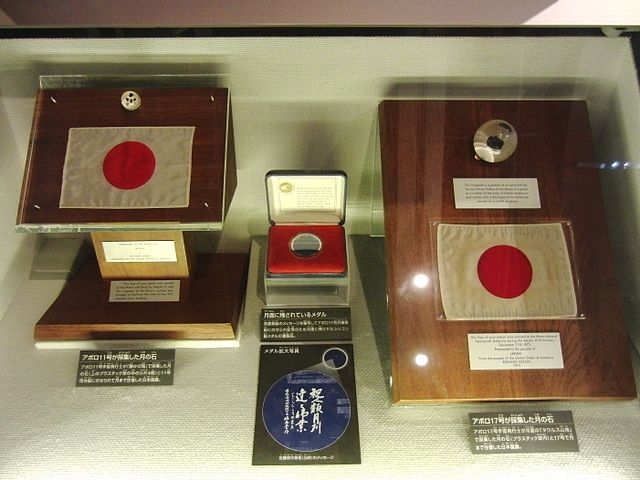
Future exploration and moon rocks
As we plan future missions to the Moon, including potential human settlements, understanding moon rocks becomes even more vital. These rocks could hold the key to utilizing lunar resources, such as mining for minerals or using the regolith for construction. The more we learn about lunar geology, the better prepared we’ll be for these endeavors.
Conclusion: A gateway to cosmic understanding
The study of moon rocks is more than just a scientific endeavor; it’s a journey through time and space. These rocks tell the story of our Moon, a constant presence in our night sky and a crucial piece of our cosmic neighborhood. By unraveling the mysteries of lunar geology, we’re not only uncovering the Moon’s secrets but also gaining a deeper understanding of our own planet and its place in the universe.
In this article, we’ve traversed the fascinating landscape of lunar geology, exploring the different types of moon rocks and their significance. From the volcanic plains of the maria to the ancient highlands, each rock type offers a unique glimpse into the Moon’s past and our own. As we continue to explore and study these extraterrestrial treasures, we open new doors to understanding the complex and beautiful workings of our solar system.
Contributors