In our journey towards understanding the complex machinery of our planet’s climate, a surprising yet often overlooked factor comes into play: food waste. Imagine a world where every morsel of food is consumed responsibly. Contrast this with our current reality, where approximately one-third of all food produced globally goes to waste. This waste is not just a matter of lost nutrients or economic resources; it’s a significant environmental concern, particularly when considering its role in global carbon emissions.
Food waste contributes to carbon emissions in a multi-faceted manner. When we discard food, in addition to the food product, all the resources that go into producing, processing, transporting, and storing goes waste. This includes a hefty amount of water, land, energy, labor, and carbon emissions. Food production is energy-intensive, relying heavily on fossil fuels across various stages, from farm machinery to transportation. Thus, when food ends up in landfills, the embodied carbon-carbon emitted during the production phase represents a wasted opportunity to nourish populations without impacting the planet.
But the story doesn’t end there. As food waste decomposes in landfills, it produces methane, a greenhouse gas approximately 28 to 36 times more effective than CO2 at trapping heat in the atmosphere over 100 years. This methane emission contributes significantly to the greenhouse effect, exacerbating global warming and climate change. According to the Food and Agriculture Organization of the United Nations (FAO), if food waste were a country, it would be the third-largest emitting country in the world, following the United States and China.
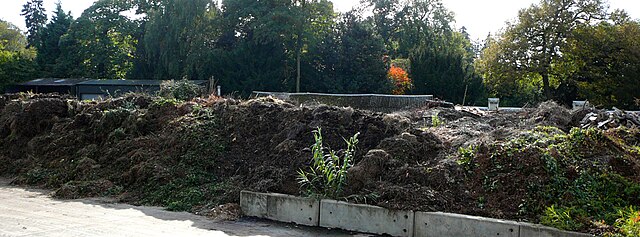
Addressing food waste can seem daunting, but it’s crucial for mitigating climate change. The good news is that solutions are within reach and can be implemented at various levels, from individual actions to systemic changes. We must be mindful of our purchasing habits; planning meals and proper food storage can drastically reduce the amount of food that ends up as waste. Meanwhile, restaurants and supermarkets can contribute by donating unsold but still consumable food to charities and food banks, thus diverting it from landfills.
On a larger scale, governments and organizations can play a pivotal role by investing in infrastructure that supports the efficient distribution of food, including better storage facilities to prolong shelf life and logistics to match supply with demand more accurately. Policies encouraging the composting of inedible food waste can convert potential methane emissions into a resource for enriching soil, thereby closing the loop in the food production cycle.
Innovative technologies and practices also offer promising avenues for tackling food waste. For example, precision agriculture employs data and analytics to optimize farming practices, reducing excess production. Similarly, advancements in packaging can extend the life of perishable goods, and apps connecting consumers to discounted food items can prevent surplus food from going to waste.
The impact of food waste on global carbon emissions is a stark reminder of the interconnectedness of our actions and the environment. We can significantly reduce our carbon footprint by rethinking our relationship with food, from production to consumption. The journey requires awareness, commitment, and collective action, but it comes with many benefits, from mitigating climate change to improving food security— factors that are profound and far-reaching.
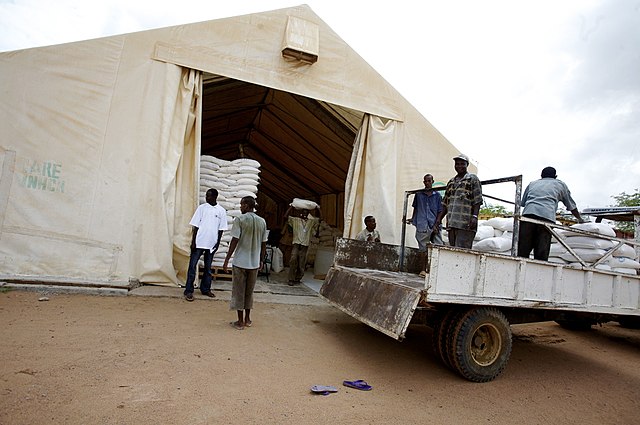
Ultimately, the issue of food waste is not just an environmental concern; it’s a moral one. In a world where millions go hungry, the thought of so much food waste is unconscionable. Reducing food waste is a tangible way to address both the ethical implications of hunger and the environmental challenge of climate change. It’s a win-win situation that demands our attention and action.
In conclusion, the role of food waste in global carbon emissions is a complex challenge that requires a multifaceted approach. By understanding the impact of our food consumption patterns and taking steps to reduce waste, we can make a significant difference in the fight against climate change. It’s about making conscious choices, advocating for policies that support sustainability, and embracing innovations that can lead us toward a more efficient and responsible global food system. Together, we can turn the tide on food waste and its contribution to global carbon emissions, paving the way for a healthier planet and a brighter future.
Frequently Asked Questions (FAQ)
How does food waste contribute to global carbon emissions?
Food waste contributes to carbon emissions through the resources used in its production, processing, and disposal. When food is wasted, the carbon emitted in its production becomes unnecessary. Additionally, food waste in landfills produces methane, a potent greenhouse gas.
What can individuals do to reduce food waste?
Individuals can reduce food waste by planning meals, buying what they need, storing food properly, and composting inedible leftovers.
How can reducing food waste impact climate change?
Reducing food waste can significantly lower methane emissions from landfills and decrease unnecessary carbon emissions from the production and transportation of food, thereby mitigating climate change.
Are there any technologies that help reduce food waste?
Yes, technologies like precision agriculture, advanced packaging to prolong shelf life, and apps connecting consumers to discounted surplus food help reduce food waste.
What role do governments and organizations play in addressing food waste?
Governments and organizations can invest in infrastructure for better food distribution and storage, enact policies encouraging food donation and composting, and support technologies that reduce food waste.
Contributors