In today’s fast-paced world, the importance of protecting our environment has never been more critical. Yet, the enormity of the task can often feel overwhelming. However, incorporating small, sustainable actions into our daily routines can collectively lead to significant positive impacts on our planet. This article explores 10 simple yet effective ways to protect the environment every day, making sustainability accessible to everyone.
1. Reduce, Reuse, Recycle: The three Rs
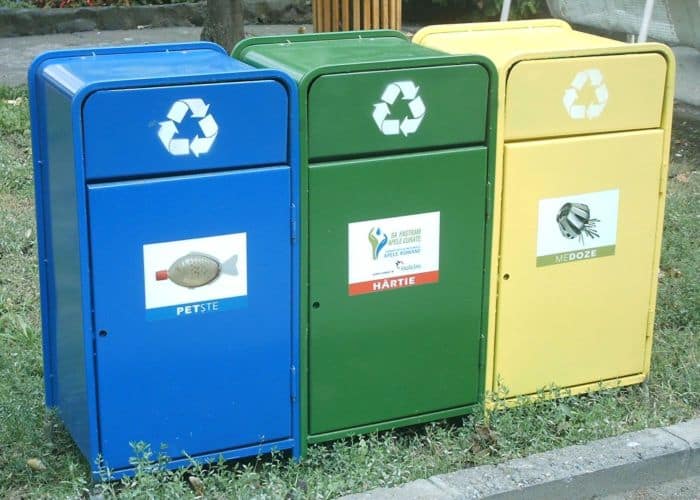
Embracing the three Rs—reduce, reuse, recycle—can significantly minimize our waste footprint. Reducing consumption means buying less and choosing products with minimal packaging. Reusing involves finding new purposes for old items rather than discarding them. Recycling helps turn waste into new products, conserving natural resources. Studies, such as one published in the “Journal of Environmental Management,” highlight recycling’s role in reducing greenhouse gas emissions, underscoring its importance in combating climate change.

2. Opt for sustainable transportation
Choosing sustainable transportation methods, such as biking, walking, carpooling, or public transit, can drastically reduce your carbon footprint. Research indicates that if just one person in a household swaps a long car commute for public transport, the family’s carbon emissions can drop by 10% (Environmental Protection Agency, USA). These choices lessen pollution and promote physical health.
3. Support eco-friendly products
Purchasing products from companies that prioritize sustainability can drive market change. Look for items made from recycled materials, produced with renewable energy, or certified by environmental organizations. A study in the “International Journal of Consumer Studies” revealed that eco-conscious consumer behavior could significantly influence environmental sustainability, encouraging companies to adopt greener practices.
4. Save water and electricity.
Fixing leaks, shorter showers, turning off lights when not in use, and using energy-efficient appliances help in the conservation of water and electricity. The Environmental Protection Agency (EPA) has documented that such measures can save households hundreds of dollars annually, besides conserving vital resources.
5. Plant trees and support reforestation
Trees play a crucial role in absorbing CO2, providing oxygen, and supporting biodiversity. Participating in or donating to tree planting and reforestation projects can have a profound impact. According to a study in the “Science” journal, planting a trillion trees could capture about two-thirds of human-made carbon emissions, highlighting the power of reforestation in climate mitigation.
6. Adopt a plant-based diet
Shifting towards a plant-based diet can significantly lower your environmental impact. Livestock farming is a major source of methane emissions, a potent greenhouse gas. Research published in “Science” found that reducing meat consumption can reduce an individual’s carbon footprint from food by up to 73%.
7. Use natural cleaning products
Many conventional cleaning products contain harmful chemicals that can pollute waterways and harm wildlife. Opting for natural, biodegradable cleaning solutions can protect both your health and the environment. A study in the “Journal of Applied Ecology” suggests that even small reductions in household chemical use can significantly benefit aquatic ecosystems.
8. Educate yourself and others
Awareness is the first step towards change. Educating yourself about environmental issues and sharing this knowledge can inspire others to act. Whether through social media, blogs, or community talks, spreading awareness can amplify the impact of individual actions.

9. Support environmental policies and organizations
Engaging in civic activities, such as voting for eco-friendly policies and supporting environmental organizations, can lead to large-scale environmental improvements. Research demonstrates that policies promoting renewable energy and conservation can substantially mitigate climate change effects.
10. Practice mindful consumption
Being mindful of your consumption habits—choosing quality over quantity, buying second-hand, and avoiding single-use plastics—can significantly reduce your environmental impact. A study in “Environmental Science & Technology” found that if every American reduced their waste by just 5%, it would equate to a reduction of 25 million tons of environmental pollution annually.
Incorporating these 10 actions into our daily lives doesn’t just contribute to a healthier planet; it also fosters a more sustainable lifestyle for ourselves and future generations. While no single action can solve the environmental crisis, each step we take is a move towards a greener, more sustainable world. By making conscious choices daily, we can all play a part in protecting our planet.
Frequently Asked Questions (FAQ)
Why is it important to reduce water and electricity usage?
Reducing water and electricity conserves natural resources, reduces greenhouse gas emissions from power plants, lowers utility bills, and helps ensure a sustainable future.
Can adopting a plant-based diet really impact the environment?
Yes, significantly. Livestock farming is a major contributor to methane emissions, deforestation, and water usage. Shifting towards a plant-based diet can reduce your carbon footprint and alleviate pressure on ecosystems.
How do recycling efforts impact the environment?
Recycling reduces the need for extracting new raw materials, saves energy, decreases pollution, and lowers greenhouse gas emissions, helping to combat climate change.
Are eco-friendly products more expensive?
While some eco-friendly products may have a higher upfront cost, they often lead to savings in the long run through durability and efficiency. Additionally, consumer demand for such products encourages more affordable options over time.
How can individuals support environmental policies?
Individuals can support environmental policies by staying informed, voting for policies and leaders committed to environmental protection, participating in community advocacy, and supporting organizations that lobby for environmental causes.
References
Agusdinata, D. B., Hanif, M., Shwom, R., Watkins, D., Floress, K., Cuite, C. L., & Halvorsen, K. E. (2024). Effectiveness of conservation messages to reduce households’ GHG emissions: A serious-gaming experiment. Journal of Environmental Management, 351, 119948. https://doi.org/10.1016/j.jenvman.2023.119948
Reducing and Reusing Basics, United States Environmental Protection Agency. https://www.epa.gov/recycle/reducing-and-reusing-basics
Xiao, J., Zhi, Y., Li, Z., & Chen, Z. (2022). A review of social roles in green consumer behaviour. International Journal of Consumer Studies, 47(6), 2033–2070. https://doi.org/10.1111/ijcs.12865
Start Saving. United States Environmental Protection Agency.
https://www.epa.gov/watersense/start-saving
Bastin, J., Finegold, Y., García, C., Mollicone, D., Rezende, M., Routh, D., Zohner, C. M., & Crowther, T. W. (2019). The global tree restoration potential. Science, 365(6448), 76–79. https://doi.org/10.1126/science.aax0848
Godfray, H. C. J., Aveyard, P., Garnett, T., Hall, J. W., Key, T. J., Lorimer, J., Pierrehumbert, R. T., Scarborough, P., Springmann, M., & Jebb, S. A. (2018). Meat consumption, health, and the environment. Science, 361(6399). https://doi.org/10.1126/science.aam5324
Contributors
-
Sai Sudha, Ph.D.: EditorView all posts
Dr. Sudha Purushothaman with a Ph.D. in Biochemistry has been fascinated by writing for a long, long time. She researches metabolism and its role in pluripotency. Her commitment to research kept her away from writing. Finally, during the pandemic she became a full-time science writer. She strongly believes that curiosity-driven learning harnesses the cognitive skills. She considers that writing is a way of leaving your fossil behind. She enjoys creativity in writing and believes that every article must have a storyboard.
She needs her daily dose of yoga and recommends yoga and meditation for neural connectivity.
The prime attraction in writing and editing for Smore is the target audience, youngsters who need to be inspired to seek STEM as their career.
Copyright @smorescience. All rights reserved. Do not copy, cite, publish, or distribute this content without permission.
SUBSCRIBE TO OUR NEWSLETTER
.......... ..........Subscribe to our mailing list to get updates to your email inbox.
Monthly Newsletter