It might be a surprise, but the air quality inside our homes may be worse than outside. Dust, cleaning agents, and even furniture give up fumes in the air in homes, among other materials. Fortunately, some indoor plants can purify the air we breathe by eliminating such pollutants. It is high time to learn more about some of the best indoor plants that can help purify the air and ensure that your home is a healthier place for you to live in.
How do plants purify air?
These green beauties are great at cleaning the air surrounding them! They take carbon dioxide (CO2) and emit oxygen through a natural process known as photosynthesis. But that’s not all—they also take in poisonous gases and particles from the air, including formaldehyde, benzene, and ammonia. These chemicals may be present in home products, including paints, cleaning agents, and furniture. Some of such plants have specific characteristics that enable them to filter out these toxins from the air and make it safe to breathe.
Best Indoor Plants for Air Purification
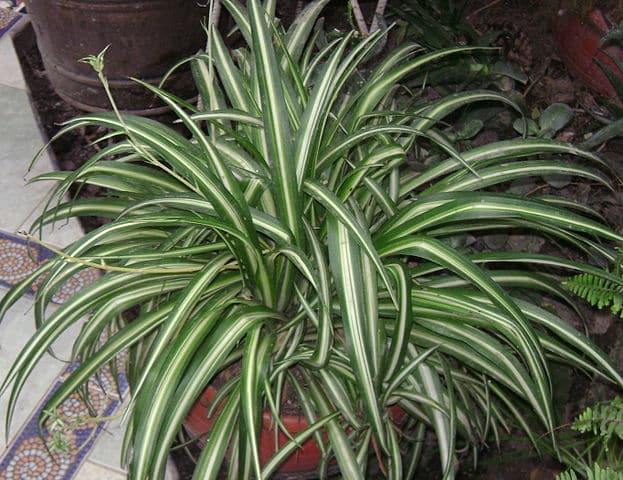
Spider Plant (Chlorophytum comosum)
Spider plant. Credits: Wikimedia/Dtarazona
Spider plants are among the easiest plants to grow and, therefore, ideal for users with little or no experience with plant care. It has thin, long leaves and smaller plants called siderites, which hang below the central plant like spiders. These plants effectively eliminate carbon monoxide, formaldehyde, and xylene from the environment.
Care: Its best location is with indirect sunlight, and the plant must be watered about once a week.
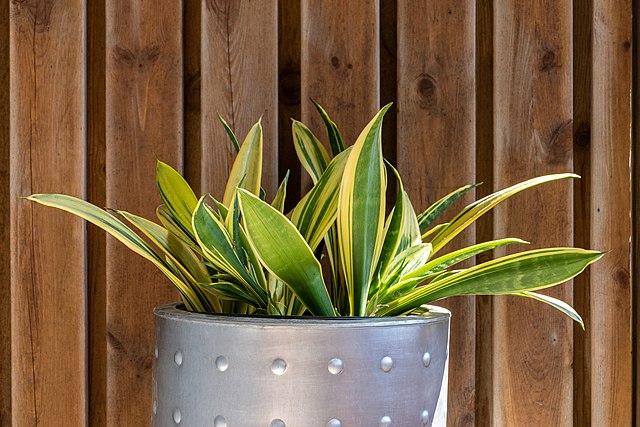
Snake Plant (Sansevieria trifasciata)
Snake plant. Credits: Wikimedia/W.carter
The snake plant, known as “mother-in-law’s tongue,” has long, firm leaves pointing directly upwards. It is a tough plant to kill while also being excellent for clearing air. The snake plant effectively eliminates airborne chemicals. It also continues to release oxygen at night, which could assist in enhancing the quality of sleep.
Size: Can grow up to 12 feet (365 cm) tall.
Care: Thrives in bright and low light and only needs water every 2–3 weeks.
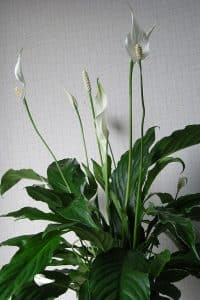
Peace Lily (Spathiphyllum)
The peace lily plant. Credits: Wikimedia/TUFOWKTM
The peace lily is lovely with elegant white flowers. Another helpful characteristic of the peace lilies is that these plants are able to adapt themselves to the fight against mold spores in the air. So these plants are a great option for rooms that experience high humidity, such as bathrooms.
Care: Best grown in partial shade and need to be rinsed once a week.
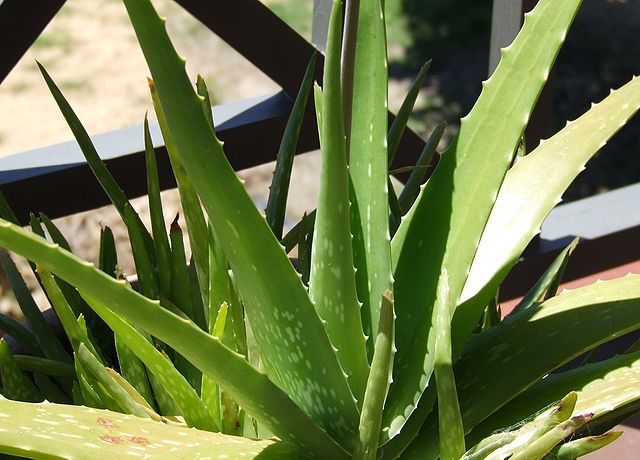
Aloe Vera (Aloe barbadensis miller)
Aloe Vera plant. Credits: Wikimedia/Erin Silversmith
Many know Aloe vera as a plant that is very effective in healing sunburns, but few know it to be great at purifying the air around it as well. This plant aids in the detoxification of formaldehyde and benzene, present in paints and cleaning materials found around in houses.
Care: Requires a slightly bright, indirect light and should be watered once every three weeks.
Bamboo Palm (Chamaedorea Seifrizii)
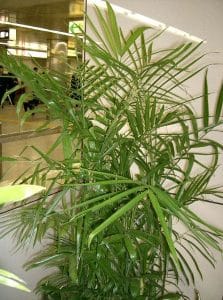
Bamboo palm plant. Credits: Wikimedia/KENPEI
Bamboo palms are fantastic and easy-to-grow indoor plants, giving a room an exotic look. It is beneficial for purging the air of carcinogenic substances such as benzene and trichloroethylene. commonly used in households cleaning products like detergents, soaps, and bleach.
Care: It must be placed where it receives indirect sunlight, and watering should be done once a week.
How to Care for Your Indoor Plants
While each plant has its specific needs, here are a few general tips to keep your air-purifying plants healthy:
Light: Many indoor plants require filtered light; therefore, place the pots close to windows but not directly in the sun.
Water:Water the plant, but do not overwater it – it’s good to let the soil dry somewhat before watering again.
Dusting: The dust that may land on the plant’s leaves will hinder the plant from accessing light; wipe the leaves using a damp cloth every few weeks.
From snake plants, which practically require almost no attention, to beautiful peace lilies, these plants purify the air and make your home beautiful and clean. They are not difficult to maintain, and giving them the slightest attention can improve your living conditions at home. So let this be your inspiration to green up your indoor space and breathe a little easier!
Kluepfel, M. (2022, June 24). Peace Lily | Home & Garden Information Center. Home & Garden Information Center | Clemson University, South Carolina. https://hgic.clemson.edu/factsheet/peace-lily/