Migration is a natural phenomenon observed in several species. Every year, millions of animals set out on an epic journey searching for food, shelter, and mating opportunities. This blog post will explore the animals known for their epic migrations, starting from those with simply long journeys to the ones with the longest recorded migrations in the animal kingdom.
Geographic Location: Dragonflies are found worldwide, frequently near fresh water, including riverbanks, canals, ditches, ponds, and lakes.
Interesting facts about their long migrations: It’s been known that dragonflies can do long-distance migrations, but until 2009, scientists had yet to learn how far they traveled. Scientists discovered a 14,000- to 18,000-kilometer dragonfly migration route from India to the Maldives, Seychelles, Mozambique, Uganda, and back again. Furthermore, the tiny species known as “globe skimmers” or “wandering gliders” has a flying range of 4,400 miles over open ocean waters, leveraging air currents to glide and conserve energy. These migrations are driven by the search for wetlands that provide breeding sites and the pursuit of seasonal prey.
Scientific Facts: Research into dragonfly migration has revealed their remarkable ability to navigate across vast distances, potentially using polarized light and the sun to guide their way. Dragonflies are sensitive to climate change because they require habitat in both aquatic and terrestrial environments. Scientists study these migrations to understand the impacts of climate change on migratory patterns and the survival strategies of these ancient insects.
9- Gray Whales
Gray Whales. Credits: Wikimedia/Merrill Gosho
Geographic Location: Gray whales are found in the North Pacific Ocean, migrating between feeding grounds in the Arctic’s cold waters and breeding grounds in the warmer waters off Mexico.
Interesting facts about their long migrations: Gray whales undertake one of the longest migrations of any mammal, traveling up to 14,000 miles round trip annually. This journey is remarkable for its distance and proximity to shore, which allows spectacular viewing opportunities along coastlines. Gray whales travel to warmer tropical waters during winter to mate and give birth. Then, these animals swim to the colder waters of the Arctic or Antarctic in the summer, where food is abundant.
Geographic Location: The wildebeest is primarily found in the Serengeti region of East Africa, migrating in a circular pattern through Tanzania and Kenya.
Scientific Facts: Research on wildebeest migration has highlighted its ecological significance, including how it shapes the Serengeti’s ecosystem by dispersing seeds and altering landscapes. Scientists also demonstrated that human encroachment, including habitat loss due to agriculture, poaching, and barriers that block migration, changed the wildebeest migration routes and survival rates.
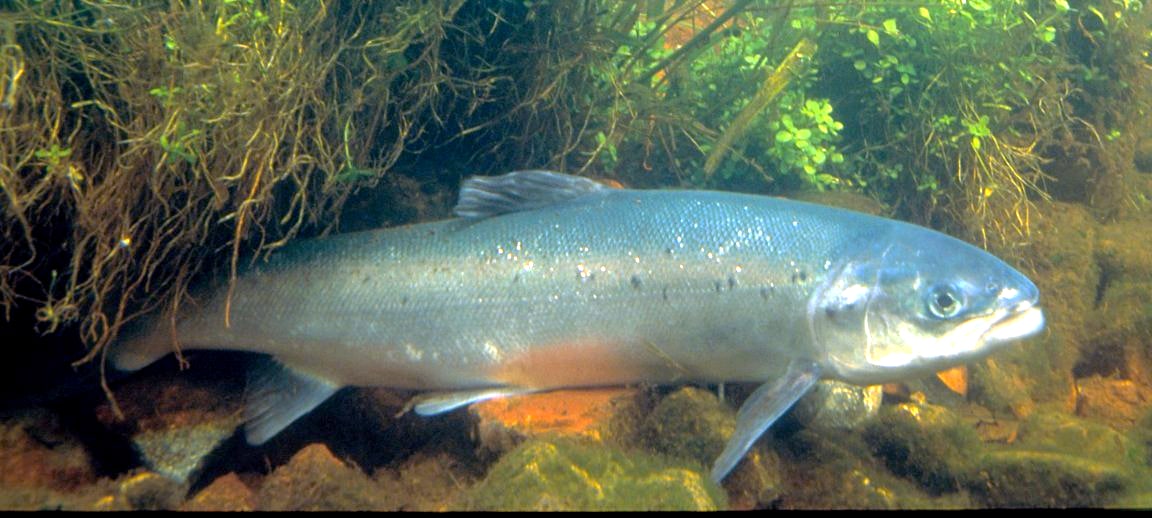
7- Salmon
Salmon. Credits: Wikimedia/Hartley, William W.
Geographic Location: Salmon are found in the North Atlantic and Pacific Oceans, migrating from ocean feeding grounds to freshwater rivers across North America, Europe, and Asia.
Interesting facts about their long migrations: Salmon travel hundreds of miles in inland freshwaters and up to 1,000 miles in the ocean during their migration to feeding grounds. They travel against strong currents and elevations to reach their spawning grounds. Furthermore, to return to their breeding grounds they ascend thousands of feet up mountain streams. It seems a very complicated journey; however, they know they will find others of their species to mate with and that a particular river has already proven successful for spawning. When they finally reach the correct place, the salmon spawn and die.
Scientific Facts: Studies on salmon migration have uncovered their use of the Earth’s magnetic field and olfactory cues to navigate back to their birthplace with astonishing precision.
Over the years, scientists have demonstrated that climate change can affect salmon populations and their migration routes.
6- Bar-tailed Godwits
Bar Tailed Godwits. Credits: Wikimedia/Andreas Trepte
Interesting facts about their long migrations: Bar-tailed godwits hold the record for the longest non-stop flight by a bird, flying over 7,500 miles from Alaska to New Zealand without stopping and in nine days. This incredible feat requires immense energy reserves and the ability to sleep while flying.
Scientific Facts: Research into bar-tailed godwits’ migration has provided insights into their physiological adaptations for long-distance flight, including changes in body composition and the ability to significantly reduce the size of their internal organs, including digestive organs, to save weight and energy for their marathon flights. Additionally, they boost the size and capacity of exercise organs to optimize flight performance. They consume unusually little energy compared with other bird species.
5- Sooty Shearwaters
Sooty Shearwaters. Credits: Wikimedia/Channel City Camera Club
Geographic Location: Sooty shearwaters breed in the Southern Hemisphere on islands off New Zealand, Chile, and the Falkland Islands, migrating to feeding grounds in the Northern Hemisphere, including the North Atlantic and Pacific Oceans.
Interesting facts about their long migrations: Sooty shearwaters undertake one of the longest migrations of any bird species, traveling up to 40,000 miles round trip annually. Under optimal conditions, migrating Sooty Shearwaters may cover more than 1,000 miles daily.
Scientific Facts: Studies on sooty shearwaters have helped scientists understand the global patterns of wind and ocean currents, as these birds align their migration with these environmental factors. Research also focuses on the impact of commercial fishing and climate change on their food sources and migration patterns.
4- Caribou
Caribou. Credits: Wikimedia/Are G Nilsen
Geographic Location: Caribou, also known as reindeer in Europe, are found in the Arctic and Subarctic regions, migrating across the tundra of North America and Europe.
Interesting facts about their long migrations: Caribou migrations are among the most massive terrestrial migrations, with some herds traveling over 3,000 miles annually. These migrations are driven by the search for fresh grazing lands and calving grounds and involve facing predators and harsh weather conditions.
Scientific Facts: Research on caribou has focused on their adaptation to cold environments, social behaviors during migration, and the impact of climate change on their migration patterns and survival. The decline in caribou populations has also prompted studies on the effects of human activities, such as oil drilling and mining, on their habitats.
Geographic Location: Monarch butterflies are found throughout North America, migrating from the United States and Canada to the mountainous forests of central Mexico for the winter.
Interesting facts about their long migrations: Monarch butterflies embark on a long migration that covers up to 3,000 miles, involving multiple generations to complete the round trip. The farthest-tracked monarch flew 265 miles in one day. This journey is essential for their survival, as they escape the cold northern winters and return in the spring to breed.
Scientific Facts: Studies on monarch migration have revealed the butterflies’ use of the sun and Earth’s magnetic field for navigation. Research also focuses on the threats to their migration, including habitat loss, climate change, and the decline in milkweed plants, which are essential for their larvae.
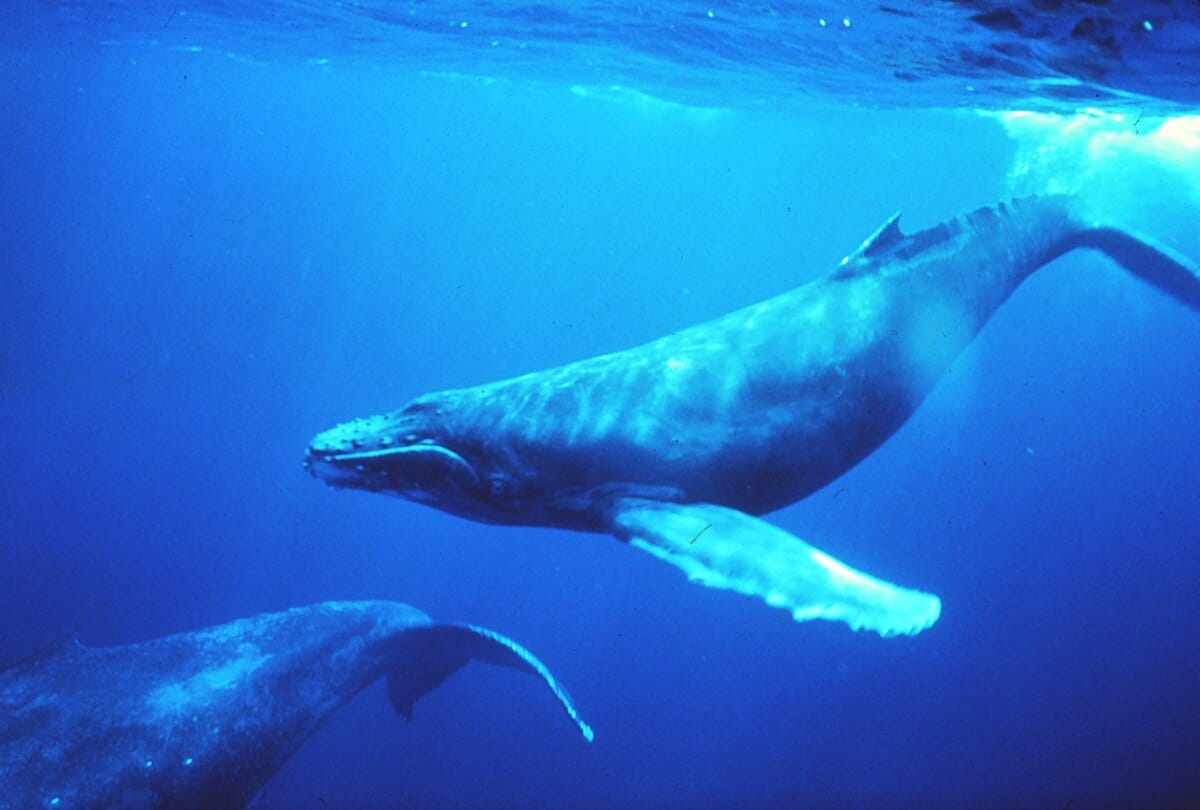
Geographic Location: Humpback whales are found in all the world’s oceans, migrating from feeding grounds in polar waters to breeding grounds in tropical and subtropical waters.
Interesting facts about their long migrations: Humpback whales are one of the largest animals on the planet and undertake annual migrations of up to 3,000 miles. These animals spend the summers at feeding grounds in cold, nutrient-rich waters that support an abundance of krill and small fish. In the winter, they migrate to warmer waters to raise their calves and avoid predation. Whales do not feed during their migration route and survive on fat reserves built up during the summer months.
Scientific Facts: Research on humpback whales has contributed to our understanding of whale songs and the complex vocalizations that play a role in communication and mating during migration. Studies also focus on the impact of climate change on their migration patterns and the conservation efforts needed to protect these majestic creatures.
1- Arctic Terns
Arctic Terns. Credits: Wikimedia/ Dunpharlain
Geographic Location: Arctic terns breed in open boreal forests, and on small islands and barrier beaches along the northern Atlantic Coast.
Interesting facts about their long migrations: Arctic terns hold the record for the longest migration of any animal, generally thought to travel 44,000 miles annually. During summer they spend their time in the Arctic Circle, and during the extremely cold arctic winter, the arctic tern flies south, following the summer season to the Antarctic Circle. This round trip ensures they see two summers each year and more daylight than any other creature on Earth. With updated tracking equipment and methods, scientists have found that the Arctic tern may actually fly more than 70,000 km on its annual migration trip from pole to pole.
Scientific Facts: Studies on Arctic terns have illuminated their incredible energy efficiency during flight, and ability to navigate using the Earth’s magnetic field. Research into their long lifespan, often over 30 years, aims to understand the physiological and genetic factors contributing to their extraordinary migratory capabilities.
These animal migrations highlight the incredible lengths to which life on Earth will go to survive and thrive. Each species’ journey is a testament to the remarkable adaptability and resilience of the natural world, offering valuable insights into the complexities of migration, the challenges faced by migrating species, and the interconnectedness of ecosystems across the globe.
These animal migrations highlight the incredible lengths to which life on Earth will go to survive and thrive. Each species’ journey is a testament to the remarkable adaptability and resilience of the natural world, offering valuable insights into the complexities of migration, the challenges faced by migrating species, and the interconnectedness of ecosystems across the globe.
Copyright @smorescience. All rights reserved. Do not copy, cite, publish, or distribute this content without permission.
Join 20,000+ parents and educators
To get the FREE science newsletter in your inbox!
SUBSCRIBE TO OUR NEWSLETTER
.......... ..........
Subscribe to our mailing list to get updates to your email inbox.