We all know that diseases have a way of sneaking up on us—be it through germs, genetics, or our own immune systems—and racking up a thread of seemingly unrelated symptoms. Medical researchers spend their time untangling this complicated thread to study just what brings about diseases, and what we can do to tame or even stop them.
Diseases have a way of sneaking up on us, Credit: depositphotos.com/yayayoyo
Part of the beauty of the scientific process is making sure we know exactly what we’re seeing by working on what we can control. Scientists have found ways to mimic different human disease states without actually using humans.
Different animal models, Credit: Wikimedia/ Philip Van Damme, Wim Robberecht, and Ludo Van Den Bosch
While they’ve been successful for some diseases, like diabetes , not all findings from animal studies can be transferred to humans. In these cases, the challenge often comes up because of our inherent differences from the animals—be it in our genetic makeup , structure of organs, or simply the way our bodies respond to these diseases.
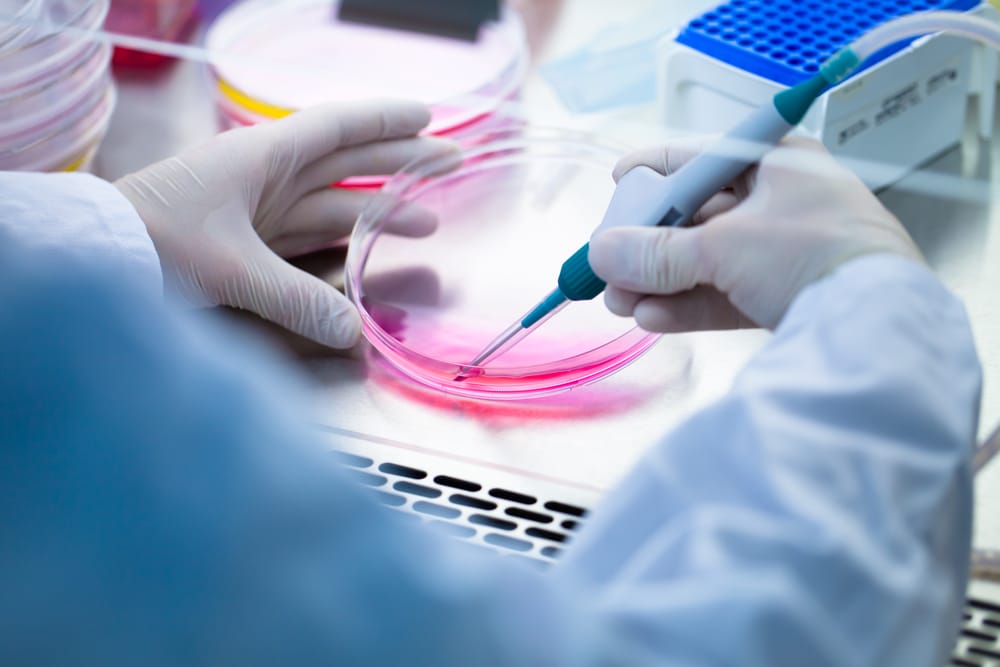
Scientists have also modeled the effects of disease on humans by using tissue cultures and cell lines . Often, tissue samples are collected from patients and analyzed for how they differ from a healthy person’s tissue. These models have been key players in cancer research, but they have their own drawbacks too. In order to properly study diseases, these cell lines or tissue cultures have to grow and divide constantly so that they remain alive until the end of the experiment.
Working in the lab with tissue culture, Credit: depositphotos.com/martinpolak
We now know that to accurately model the effects of a disease, it’s important to consider the whole organism, not just the effect of a few cells. After all, the human body is made up of over a trillion different cells that co-exist and cooperate to form beautifully complex networks and organs, like the brain, heart, gastrointestinal tract, and much more!
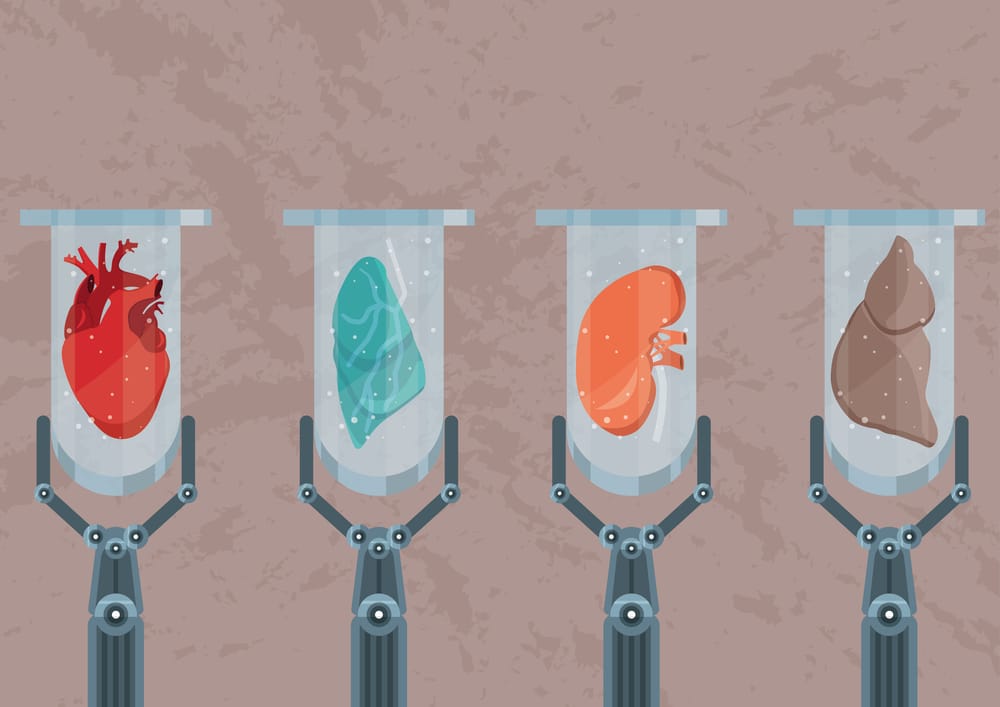
Organs like the heart are best understood in their entirety, and have so far been notoriously challenging to study because of how inaccessible they are. What’s more, a lot of diseases can take place just as these organs start to develop, making it impossible to learn through just animal modeling or tissue culturing alone. So, what if we found a way to engineer human cells to work like an organ outside the body?
Sounds a bit like science fiction, doesn’t it? Well, scientists have found a way to make this a reality!
Organoids: A breakthrough in understanding disease and development
In laboratories across the world, scientists have been intrigued by lentil-sized blobs of cells in a Petri dish. To the untrained eye, these cells might not be much of a looker, but don’t be fooled—they are actually miniature versions of real human organs!
Growing mini organs in the lab, Credit: depositphotos.com/ValentinaKru
Organoids are tiny organ-like structures that are made up of special cells called stem cells . Unlike a normal cell line that grows flat all over a Petri dish, organoids are self-organized and form into multiple layers in a three-dimensional tissue culture!
With just about 50,000 cells on average, these 3D structures can mimic some important characteristics of organs. Some organoids can be thought of as indistinguishable from human organs in the way that the cells are structured and organized!
Since then, there have been numerous organoids of the brain, the liver, and more! Yet, there have been difficulties in making a heart organoid until only very recently. The first heart organoid was produced in 2021, and the newest heart organoid model came out earlier this year!
Building a mini-heart from regular cells!
Did you know that the heart is one of the first organs we form when we develop from an embryo ? It starts to form just three weeks after fertilization , which is usually before most parents realize they’re even pregnant! Because of this, we often miss out on the crucial early details of how a human heart develops.
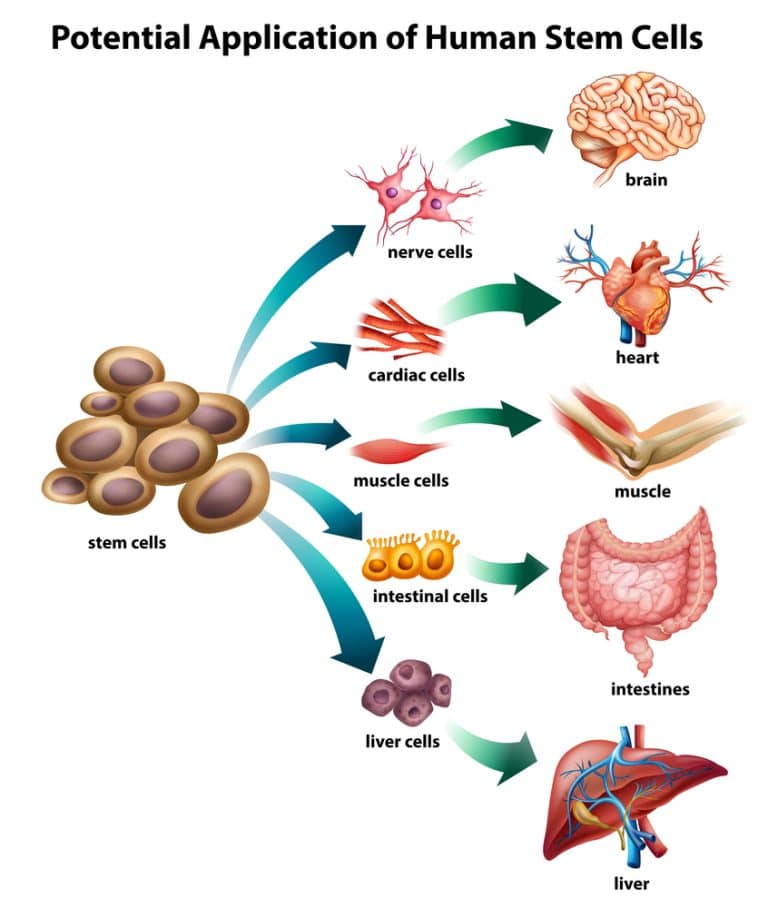
At a very early stage of development, embryos are often made up of pluripotent stem cells since they can turn into almost all the cell types needed to grow an individual. These are embryonic stem cells. While adults do have stem cells, they are usually multipotent —they can only differentiate into a few cell types. Adult stem cells also have a cap on how many times they can self-renew.
Pluripotent stem cells can turn into many different cell types, Credit: depositphotos.com/blueringmedia
So, where do we get our pluripotent stem cells from? Sourcing pluripotent stem cells from human embryos for research poses a giant ethical problem. So we have to look elsewhere.
In 2018, a Japanese scientist made a Nobel prize-winning breakthrough! Through a process called reprogramming, Dr. Yamanaka showed that we can transform cells from adults directly into pluripotent stem cells by introducing four genes that are present during embryonic development! These reprogrammed cells are called induced pluripotent stem cells (iPSCs) and can be cultured and maintained in a dish outside the body!
iPSCs are the very backbone of making organoids. In the study from 2023, Dr. Moretti and her team developed new methods for making “mini-hearts” in a Petri dish!
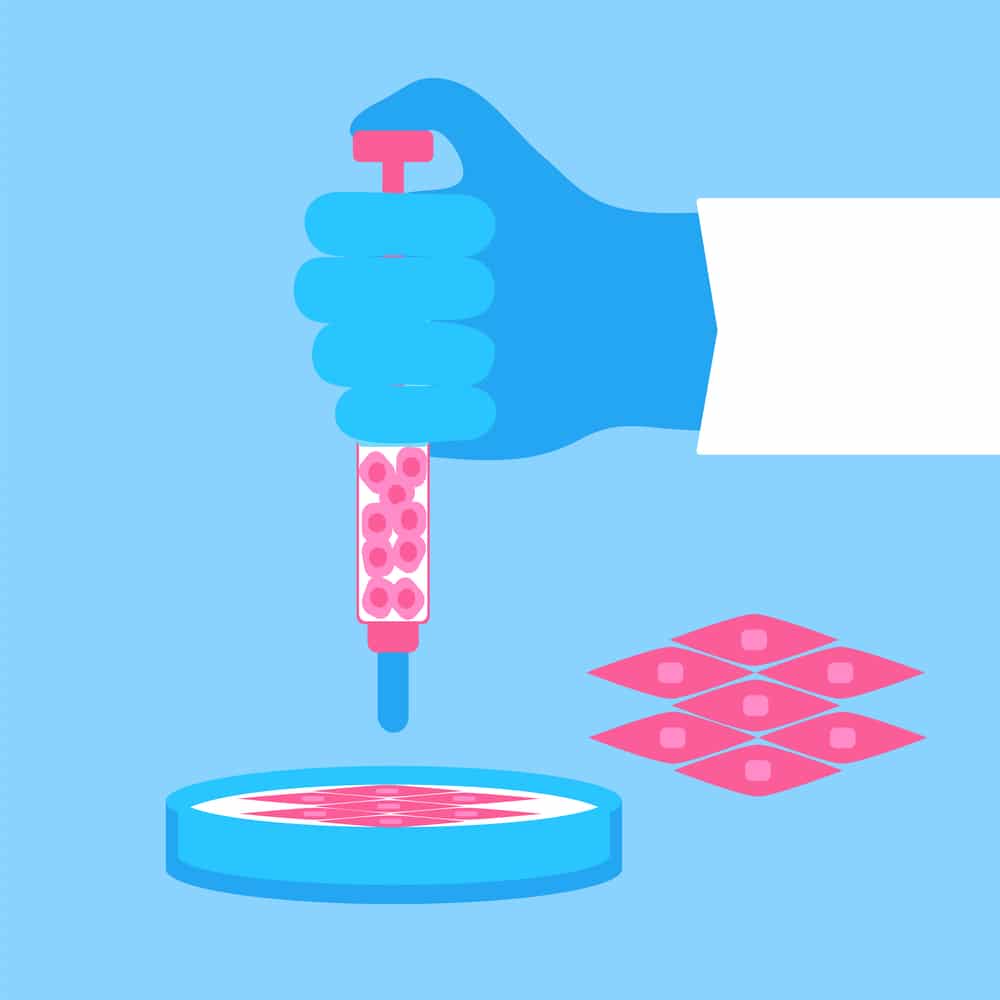
Nearly 35,000 iPSCs were spun down to a sphere using a centrifuge. This happened over the course of many weeks, during which time a bunch of different signaling molecules were added in. This replicated the signaling pathways in the body that control how the heart develops. After spinning them down and adding important signaling factors, the organoid is ready!
Making an organ in a Petri dish, Credit: depositphotos.com/GreenVector
Nearly half a millimeter in diameter, this miniature heart contained two layers: the heart muscle cells called cardiomyocytes, and the outer heart wall called the epicardium. The epicardium is important for not only forming the chambers of the heart but also making other important connecting tissue and blood vessels. Since this was the first time they were able to form an epicardium, this organoid is lovingly called the epicardioid!
The possibilities of an organoid
The potential of organoids is incredibly exciting!
While animal models are no doubt a key player in helping us make sense of diseases, organoids allow us to do something more—they help us study diseases that are, at their core, human diseases.
Some of the most significant neurodevelopmental illnesses that we know of today are uniquely human, concerning changes in the whole human genome. Through modeling these diseases, we have also made progress in understanding just how these organs develop in the first place. Even though the epicardioid has only existed for a short time, it’s already putting in the work! Through this study, scientists studying it found that one important signaling molecule was retinoic acid. This team of scientists was also able to emulate important characteristics of a disease called Noonan’s syndrome—a congenital heart defect—to investigate the illness.
Organoids can also help us make treatment and medicine a lot more personalized. Using iPSCs derived from a patient, we can make organoids that exactly preserve the genomic landscape of a patient and their pathology . Treating them as a microenvironment, these organoids can be used as a way to see what kind of drugs and treatments are best suited for each individual.
While we still have a long way to go before any of this can be adapted into standard process, medical research is growing at a fascinating pace and has the potential to change how we look at global health problems. Strap in for a medical revolution!
Glossary
Diabetes: A chronic disease that is characterized by high levels of blood glucose which can lead to damage in different organs like the heart and kidneys
Genetic makeup: The genotype; the complete collection of genes that make up an organism
Tissue cultures: Growing tissues or cells in an artificial medium
Cell line: a culture of cells developed from a single cell that therefore has a uniform genotype
Organoids: Miniature, self-organized, 3D tissue cultures
Stem cells: cells that can regenerate and give rise to other cell types
Pluripotent: cells that can only differentiate into a few cell types
Multipotent: cells that can differentiate into any of the cell types that make up the body
Induced pluripotent stem cells: Cells from the skin or blood that are reprogrammed to resemble an embryonic stem cell capable of pluripotency
Embryo: an unborn offspring
Fertilization: The fusion of the male and female gametes
Pathology: The study of the causes and effects of a disease
Swarna Ramakrishnan has been fascinated by the natural world ever since she was a young girl! She graduated from Azim Premji University, India with a Bachelor’s in Biology and a minor in applied mathematics. During her research, she trekked through the beautiful forests of the Western Ghats in India to answer questions about stomata and climate change. Currently, she is pursuing her Master’s in Biophysics from Ulm University, Germany. Swarna writes for Smore magazine to spread stories of nature in hopes of inspiring the next generation of scientists!