Human-powered vehicles (HPVs) offer a fascinating and eco-friendly way to travel in a world increasingly aware of environmental issues and personal health. Unlike their motorized counterparts, HPVs rely solely on human muscle power to move. This article delves into the different types of human powered vehicles, their benefits, and the innovative technologies shaping their future.
The classic bicycle: A time-honored Human Powered Vehicle (HPV)
The bicycle, with its simple yet effective design, is arguably the most popular HPV. It has two wheels, a frame, pedals, and a steering mechanism. Bicycles come in various forms, from racing bikes to mountain bikes, each tailored for specific activities. Their popularity is due to their efficiency, affordability, and health benefits, making them a preferred choice for commuting and recreation worldwide.
Bicycle, Credit; depositphotos.com/AntonLozovoy
Tricycles: Stability and comfort for all ages
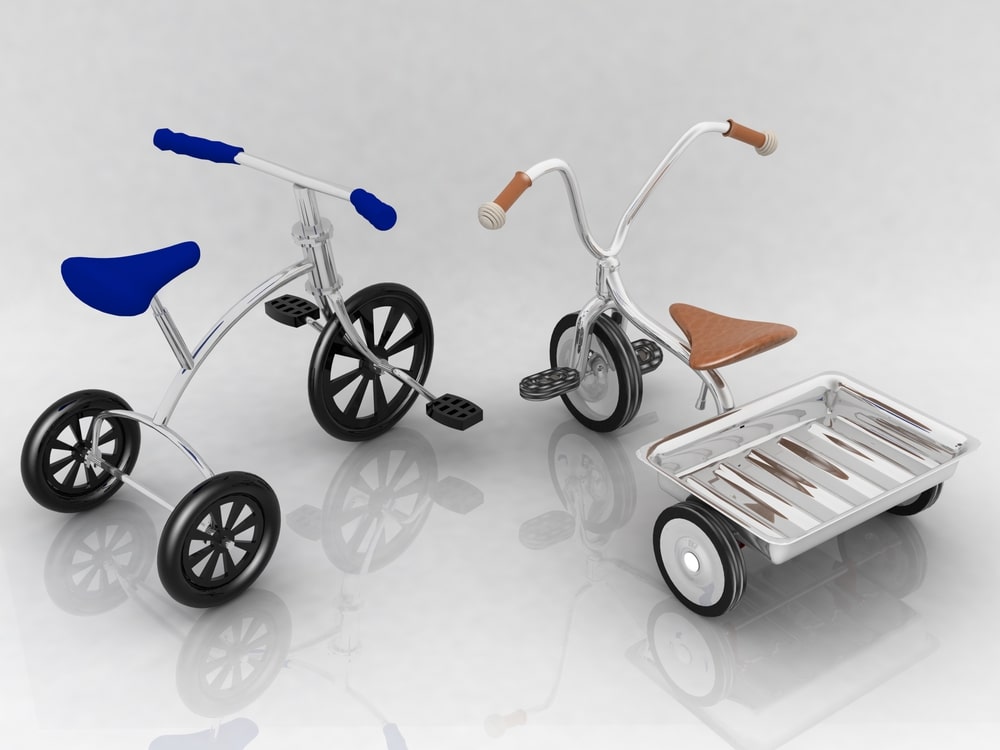
Tricycles, or trikes, add an extra wheel for enhanced stability, making them an excellent option for children, seniors, or those with balance issues. They range from basic models for kids to more advanced, geared versions for adults. Recumbent tricycles, where the rider sits in a laid-back reclining position, provide additional comfort and aerodynamic advantages.
Quadracycles are four-wheeled HPVs designed for multiple riders. They are often seen at tourist spots and parks, offering a unique group riding experience. These vehicles promote social interaction and teamwork, as all riders must coordinate their pedaling efforts to move efficiently.
Quadracycle, Credit: Wikimedia/Dietmar Rabich
Handcycles: Inclusivity in motion
Handcycles open the cycling world to individuals with limited or no use of their legs. These vehicles are propelled by hand cranks and come in various styles, including recumbent and upright models. Handcycling is a mode of transportation and a competitive sport featured in events like the Paralympics .
Wheelchair athlete racing the mile indoors, Credit; depositphotos.com/WoodysPhotos
Skateboards and longboards: Thrills on board
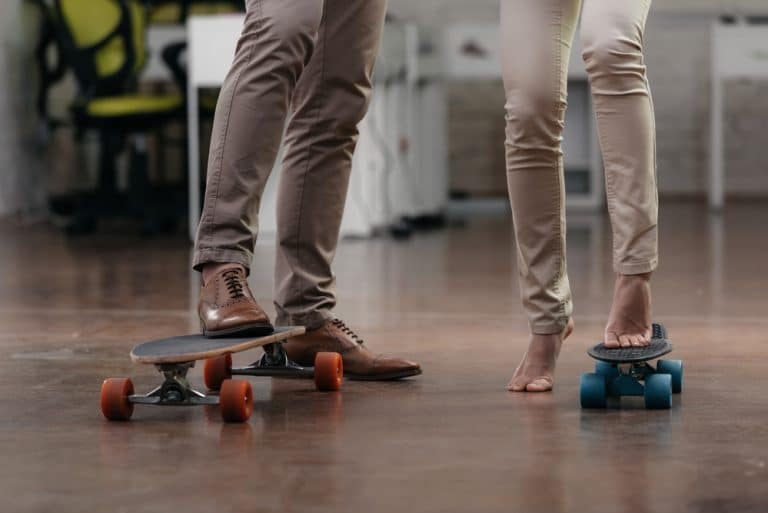
Skateboards and longboards, though primarily used for recreation and sport, are HPVs, too. Powered by the rider’s foot pushing against the ground, they offer a unique blend of transportation, exercise, and thrill. Longboards, with their longer decks and larger wheels, provide a smoother ride over longer distances.
With their single-wheel and pedal-driven mechanism, unicycles require significant balance and coordination. They are less about practical transportation and more about skill and entertainment. However, innovations like electric unicycles have added a modern twist to this classic HPV.
Torker Unicycle, Credit; Wikimedia/AndrewDressel
Velomobiles: Aerodynamics meets hpv
Velomobiles are recumbent bicycles or tricycles enclosed in an aerodynamic shell. These vehicles offer improved weather protection and reduced air resistance, making them faster and more comfortable than traditional bicycles. Velomobiles are ideal for longer commutes and touring, providing an efficient and environmentally friendly travel option.
Satuna velomobile, Credit; Wikimedia/Pleksikon
Pedal boats: Navigating waterways with muscle power
Pedal boats, often found in lakes and calm rivers, are watercraft propelled by pedaling. These boats are popular for leisure activities, offering a relaxing way to explore waterways. They can accommodate multiple passengers, making them a fun family-friendly activity.
From solar-assisted bikes to advanced gearing systems, the potential for human powered vehicles in sustainable transportation is immense. As cities become more cycle-friendly and technology advances, HPVs are set to play a crucial role in shaping our transportation landscape.
Pedal boats, Credit; depositphotos.com/aigarsr
Glossary
Human-Powered Vehicles (HPVs): Transportation devices that are moved by human muscle power rather than motorized means.
Recumbent Position: A reclining position where the rider’s body is laid back, distributing weight more comfortably and aerodynamically.
Aerodynamics: The study of how gases interact with moving bodies, often used in vehicle design to reduce air resistance and improve efficiency.
Paralympics: An international multi-sport event for athletes with disabilities.
Sustainable Transportation: Modes of transport that are environmentally friendly and aim to reduce carbon footprints and pollution.