Table of Contents
Have you ever pondered the marvels of human ingenuity, particularly in the realm of transportation? We’re not talking about high-speed trains or electric cars here, but something a bit more… personal. Human-powered vehicles (HPVs) are a testament to our creativity and desire to move efficiently using our own energy. These vehicles, ranging from the traditional bicycle to the more innovative pedal-powered submarines, represent a fascinating intersection of human endurance, environmental consciousness, and engineering brilliance.
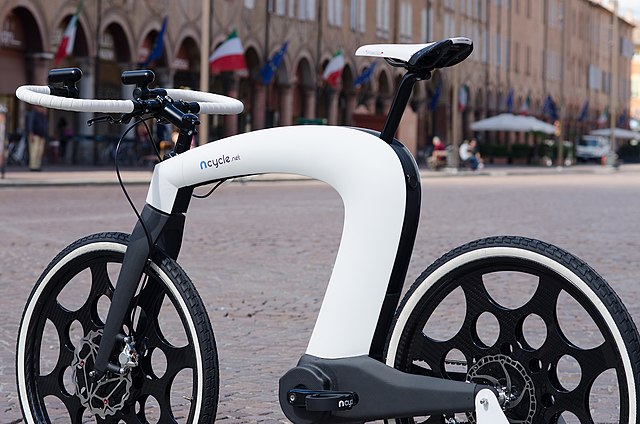
At its core, a human-powered vehicle is any transport mode propelled by the user’s physical effort. The most familiar example is the bicycle. However, the term encompasses a wide variety of vehicles, including tricycles, quadracycles, pedal-powered boats, and even aircraft. The defining feature of an HPV is its reliance on human muscle power, often aided by mechanical systems like gears and levers to improve efficiency.
The history of HPV is as old as human civilization itself. Ancient examples include canoes and rowing boats. However, the modern era of HPVs began with the invention of the bicycle in the 19th century. Since then, there has been a continuous evolution, with the introduction of recumbent bicycles, velomobiles, and pedal-powered aircraft. Each invention pushed the boundaries of what’s possible with human power.
The science behind HPVs
The science of HPVs revolves around maximizing the efficiency of human muscle power. This involves biomechanics and mechanical engineering . The design of an HPV considers factors like reducing air resistance, optimizing gear ratios, and enhancing ergonomic comfort for the user. These considerations ensure that the rider’s energy is utilized in the most effective way possible.
One of the most compelling aspects of HPVs is their minimal environmental impact. As they rely on human power, they emit no pollutants and have a negligible carbon footprint . This makes them an attractive option in the current context of climate change and environmental degradation. A study published in Transportation Research states that replacing short car trips with bicycle use can significantly reduce personal carbon emissions.
Health benefits of HPVs
Riding an HPV is not just good for the planet; it’s great for our health, too. Regular physical activity, such as cycling, improves cardiovascular health, aids weight management, and enhances mental well-being. A study by the British Medical Journal highlights that commuting by bike is associated with a lower risk of cardiovascular diseases, cancer, and all-cause mortality.
HPVs offer a practical solution to congestion and parking issues in urban environments. Cities around the world are recognizing this potential and investing in cycling infrastructure. The introduction of bike-sharing schemes and dedicated cycling lanes has made it easier and safer for urban dwellers to opt for HPVs.
Despite their benefits, HPVs face challenges in terms of widespread adoption. Issues like safety concerns, lack of infrastructure, and the physical demands of using HPVs deter some people. Addressing these challenges through urban planning, public awareness, and technological advancements is crucial for the future of HPVs.
Human-powered vehicles are a symbol of sustainable living and human innovation. Whether it’s for commuting, recreation, or sport, HPVs offer a unique blend of health, environmental, and economic benefits. As we continue to seek sustainable and healthy lifestyles, the role of HPVs is only set to grow.

Glossary
Biomechanics: The study of the structure, function, and motion of the mechanical aspects of biological systems, using the methods of mechanics.
Carbon Footprint: The total amount of greenhouse gases (including carbon dioxide and methane) that are generated by our actions.
Ergonomics: The study of people’s efficiency in their working environment, often applied to design equipment or systems that improve human interaction and health.
Mechanical Engineering: An engineering discipline that combines engineering physics and mathematics principles with materials science to design, analyze, manufacture, and maintain mechanical systems.
References
Assessing the potential for carbon emissions savings from replacing short car trips with walking and cycling using a mixed GPS-travel diary approach, Transportation Research Part A: Policy and Practice, Volume 123, 2019, (130-146), https://doi.org/10.1016/j.tra.2018.08.022.
Association between active commuting and incident cardiovascular disease, cancer, and mortality: prospective cohort study. BMJ 2017; 357 doi: https://doi.org/10.1136/bmj.j1456
Contributors
Copyright @smorescience. All rights reserved. Do not copy, cite, publish, or distribute this content without permission.
SUBSCRIBE TO OUR NEWSLETTER
.......... ..........Subscribe to our mailing list to get updates to your email inbox.
Monthly Newsletter