When we look at a world map, it’s easy to think that Earth’s continents have always been where they are. But our planet’s landmasses have moved continuously over millions of years. They have separated and joined, only to separate once again. Read on to learn about Earth’s incredible geological history and how it influenced life on Earth throughout the millennia.
How do continents move and form supercontinents?
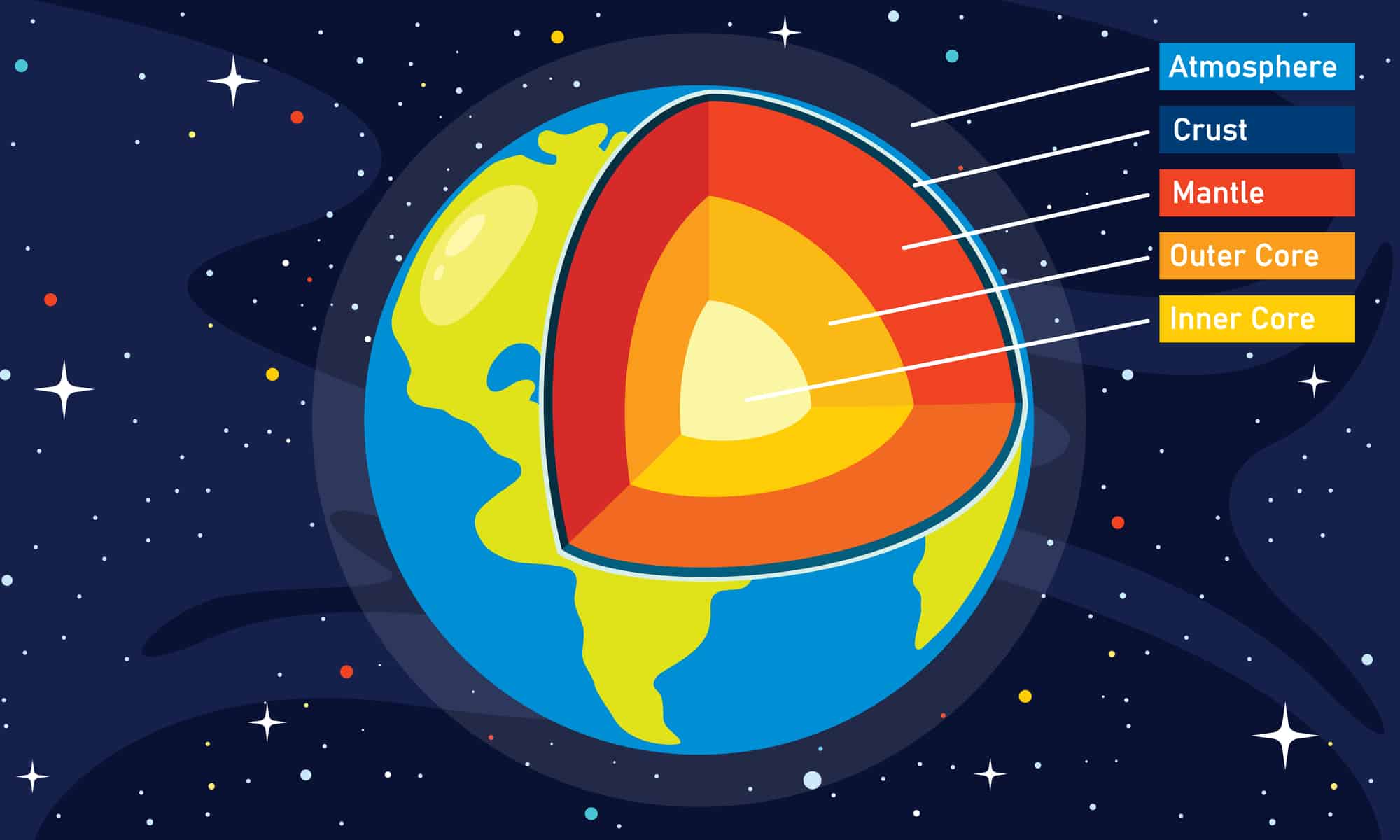
At around 6,000 degrees Celsius, Earth’s core is as hot as the Sun’s surface. This intense heat creates convection currents in the mantle, which behave like boiling water on a stove. Heated materials rise, cool near the crust, and sink again. These currents move tectonic plates in different directions, making them collide, drift apart, or slide past each other. These movements are slow. Plates only move between 1 and 15 cm annually. But this slow, steady motion can reshape Earth’s surface over millions of years.
Image shows the internal structure of Earth. Tectonic plates are made of the crust and mantle of the Earth. Continents sit on top of these plates, Credit: depositphotos.com/yusufdemirci
You might have heard of Pangaea, a supercontinent that formed around 335 million years ago when all the tectonic plates joined together. Over time, these plates drifted apart, creating the continents we recognize today. But Pangaea wasn’t Earth’s first supercontinent—nor will it be the last. Earth has experienced at least seven supercontinents throughout its history, and each one has brought profound changes to the environment and life on Earth.
How have supercontinents affected life on earth?
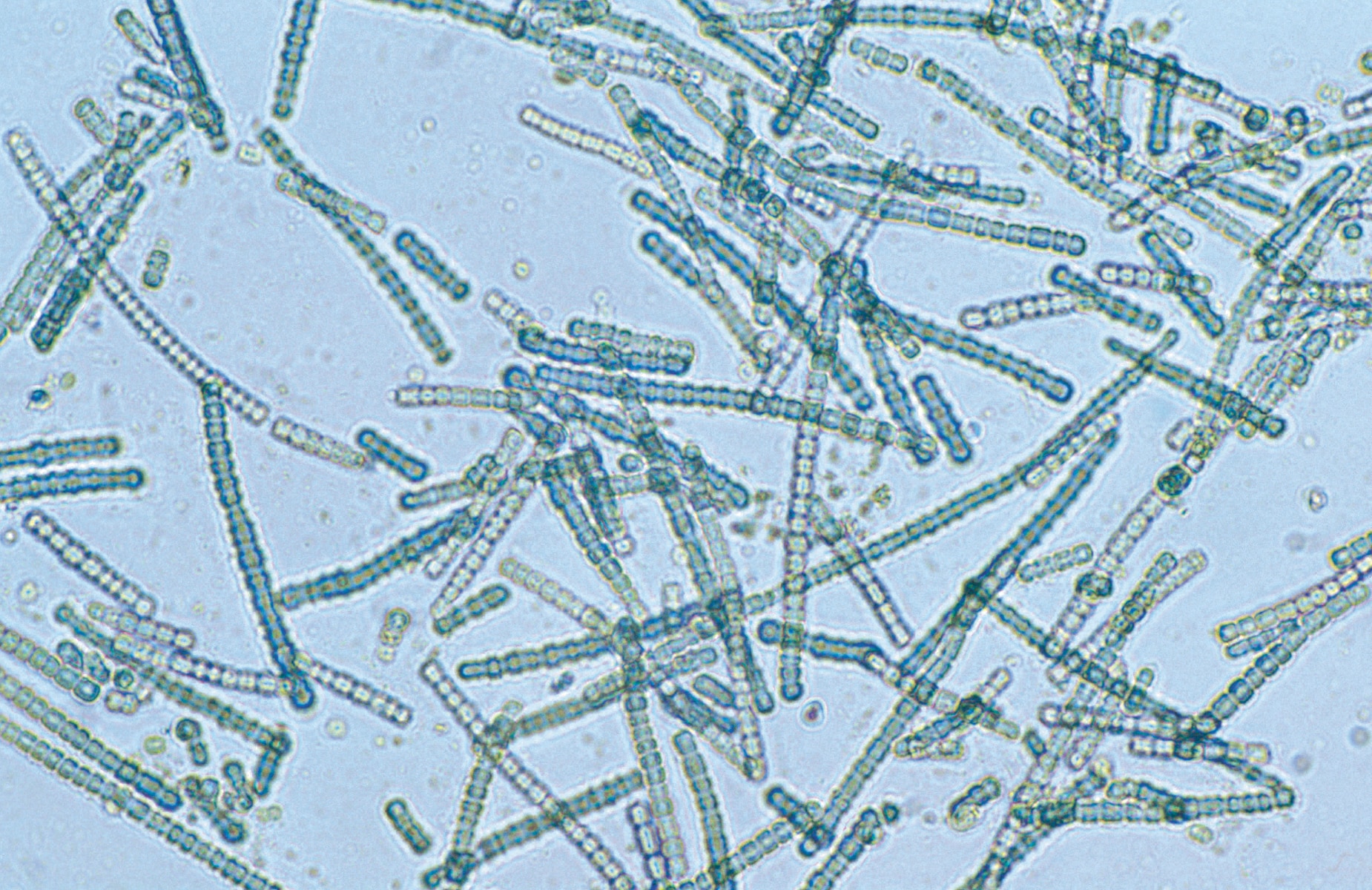
The formation and breakup of supercontinents have transformed Earth’s atmosphere and shaped the course of evolution. Vaalbara, one of the earliest known supercontinents, likely existed around 3 billion years ago. During this time, Earth’s atmosphere was vastly different from today. It was rich in methane, carbon dioxide, and nitrogen, but lacked oxygen. This atmosphere gave the sky a reddish tint and would have been toxic to most modern life forms. Yet, single-celled organisms like bacteria flourished in the oceans. Cyanobacteria, a type of photosynthetic bacteria, began releasing oxygen, slowly transforming Earth’s atmosphere over millions of years.
Microscopic image showing cyanobacteria. These microorganisms are responsible for most of Earth’s oxygen, Credit: Wikimedia/Willem van Aken, CSIRO
By the time Columbia, another supercontinent, existed between 1.8 and 1.5 billion years ago, atmospheric oxygen levels had risen. Although this oxygen was toxic to many existing microbes, it enabled new life forms, including more complex single-celled organisms. These organisms, which had specialized internal structures, are considered the ancestors of today’s complex life forms.
When Rodinia, which existed from around 1.3 billion to 750 million years ago, eventually began to break apart, it triggered significant geological and climatic changes. New coastlines formed and reacted with atmospheric CO₂, lowering temperatures—so much so that it led to an “Ice Age” when much of Earth froze. Life at this time was mostly limited to pockets of open water or warm areas near hydrothermal vents.
Later, around 335–175 million years ago, Pangaea emerged near the equator. By then, oxygen levels were closer to present-day levels, supporting a wide range of life, including forests, insects, reptiles, and amphibians. The vast forests of Pangaea helped regulate the planet’s climate by storing carbon. The eventual breakup of Pangaea allowed continents to drift apart, forming diverse ecosystems that would eventually support mammals and, ultimately, humans.
Credit: depositphotos.com/tinki.v
What did earth look like during the age of dinosaurs?
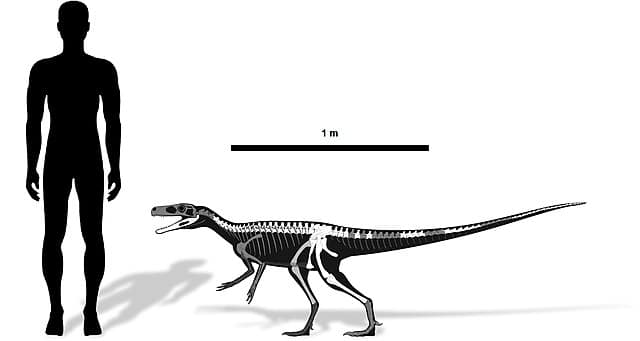
The age of dinosaurs spanned the Triassic, Jurassic, and Cretaceous periods. It saw significant changes to Earth’s land and seas, shaping the evolution of life. At the start of the Triassic, all landmasses were connected in Pangaea, surrounded by one giant body of water. Being away from the ocean created harsh deserts in Pangaea’s interior. Dinosaurs of this period had just begun to evolve. They were small, agile, and unlike the massive species seen in Hollywood movies.
Image showing the size comparison between an average human and Staurikasaurus, a Triassic dinosaur, Credit: Wikipedia/ Maurissauro
By the Jurassic, Pangaea had begun to split into Laurasia in the north and Gondwana in the south. This created new coastlines and helped water reach more land. Warmer, wetter climates created dense forests where giant herbivorous dinosaurs thrived. Oceans also became home to marine reptiles, while flying reptiles dominated the skies.
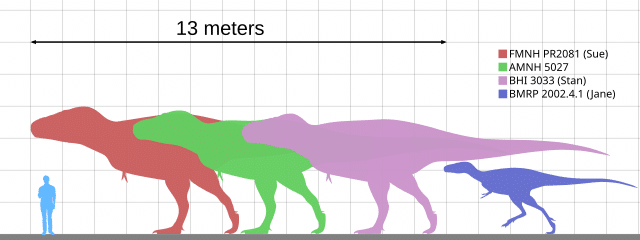
During the Cretaceous period, continents drifted closer to their current positions. Water levels rose, covering parts of continents with shallow seas. This period saw iconic dinosaurs like Tyrannosaurus rex and Triceratops.
Image showing a size comparison between the average human and different specimens of Tyrannosaurus rex discovered around the world, Credit: Wikipedia/KoprX
How do scientists study supercontinents, and why is it important?
Understanding what Earth has looked like over millennia requires piecing together clues from rocks, fossils, and the magnetic patterns in Earth’s crust. By studying rock formations, scientists can trace the movement of continents over time and uncover ancient climates and environments. Fossil evidence helps paleontologists understand which species thrived during each supercontinent era, shedding light on the impact of these massive geological changes on life.
However, knowing how continents move is more than just learning the Earth’s history. It also helps us prepare for natural disasters caused by tectonic plate movements, such as earthquakes, volcanic eruptions, and tsunamis. The more we understand Earth’s geological past, the better we can anticipate and adapt to changes in the planet’s future.
In conclusion, Earth’s history of moving continents shows amazing resilience and adaptability in nature. From supercontinents like Vaalbara to Pangaea, each part of Earth’s past has shaped the life that followed, highlighting the strong connection between geology and biology. As we look ahead, we know that Earth’s surface will keep changing, adding new chapters to this ongoing story.