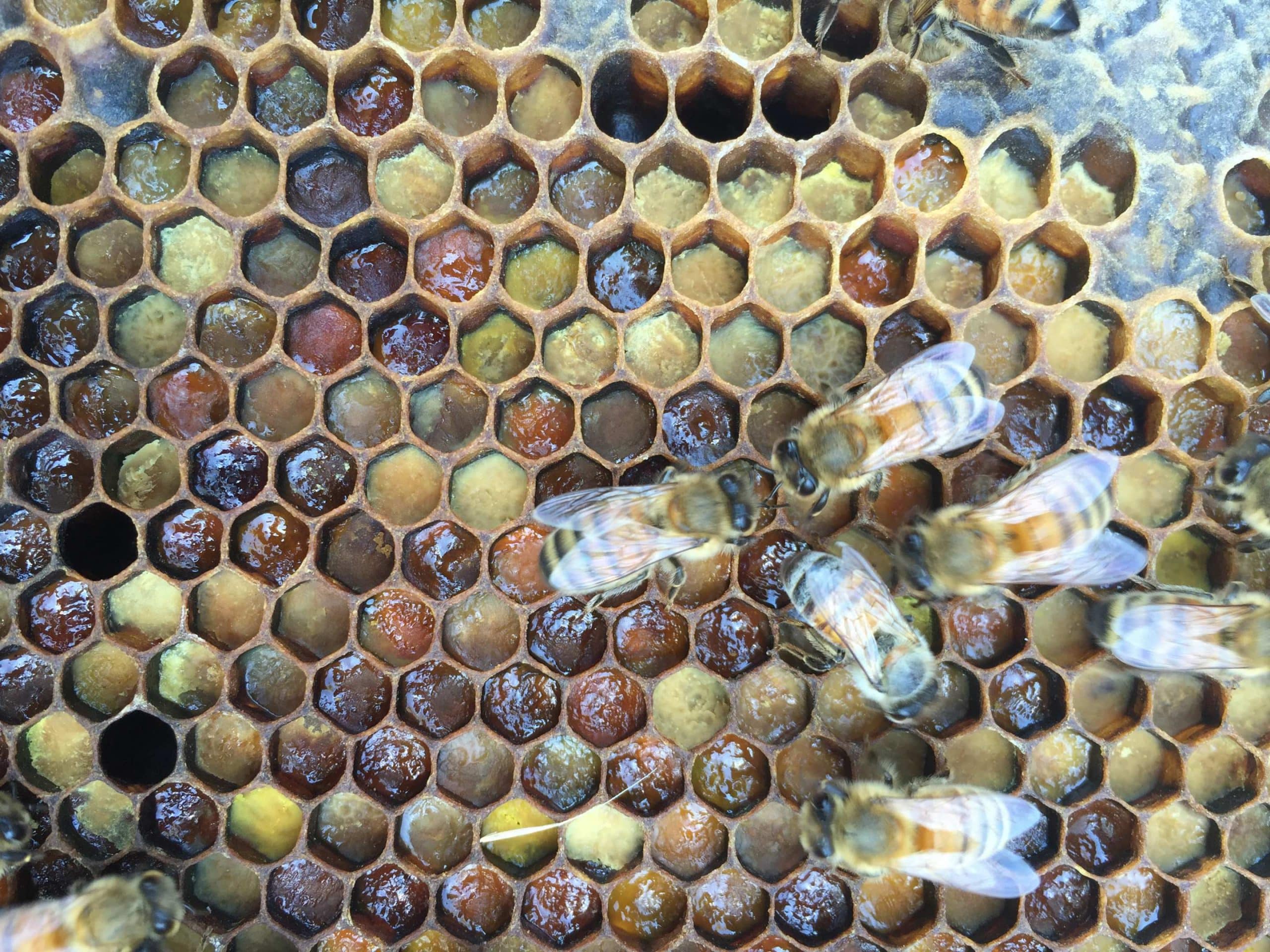
A beehive does more than house bees. Its honey, wax and other materials help fight harmful germs. Researchers led by Kenya Fernandes at the University of Sydney found that these defenses vary across the hive, helping shape which microbes live there.
Together, these materials act a little like a shared immune system. They help protect the colony, its food and its young.
Testing the hive’s defenses
The team studied 24 European honeybee colonies at five sites in New South Wales, Australia. They collected honey, wax, stored pollen, bees and a sticky substance called propolis. They also swabbed parts of the hives.
Back in the lab, the researchers tested how well extracts from these samples stopped bacteria and fungi from growing. They studied DNA to learn which microbes lived in different parts of the hive. They also checked the samples’ chemistry.
Scientists already knew that some hive materials could fight microbes. The study, published in ISME Communications, linked these defenses with patterns across the colony. Different parts of the hive had different chemical defenses and groups of microbes.
Bee glue and protective food
One useful material is propolis, often called bee glue. Bees make it from plant resin mixed with wax. They use it to seal cracks and gaps in their home.
In an interview on ABC Radio National’s The Science Show, Fernandes explained that propolis can block entry and act against microbes. Plant chemicals called flavonoids were linked with its germ-fighting power. Another chemical, hydrogen peroxide, helped explain honey’s activity against microbes.
Food stores can help too. Bees process pollen with their own secretions to make food called bee bread. In the interview, Fernandes said tests showed that bee bread strongly blocked the growth of some microbes that harm young bees.
A healthy hive still has microbes
A healthy hive still contains microbes. Some are useful, so wiping them all out would not serve the bees well.
The study found that defenses were especially strong against certain bacteria linked to hive disease. Their effects on fungi were less pronounced. This suggests that the hive’s defenses act more strongly against some threats than others.
Fernandes told ABC that materials around the young bees acted against threats to those young. Defenses near the hive’s outer boundary were broader. Rather than making the whole hive germ-free, its materials help control which microbes can grow where.
Why this discovery matters
Bees gather pollen, nectar and resin from plants. These become food and materials that help defend their home.
The study found that defensive chemistry varied among sites. That links the hive’s defenses to its surroundings. It suggests that protecting bee habitat could help preserve resources used for protection as well as food.
What scientists still don’t know
Lab tests show what hive extracts can do to microbes. They do not tell us exactly how much each material prevents disease in a working colony. Differences among sites also do not prove which features of the landscape caused them.
The study focused on European honeybees. Fernandes told ABC she suspects that native stingless bees may have similar defenses. Testing that idea could show whether other bees also build homes that help fight germs.
References
Original study
Fernandes and colleagues. Spatially organized chemical defences shape microbial communities in honey bee colonies. ISME Communications, October 19, 2026.
How bees protect their hives from disease. The Science Show, ABC Radio National, October 24, 2026. Interview with Kenya Fernandes; transcript available.