Most animals don’t enjoy winter. The temperatures drop, and food is hard to find. This is when animals choose to call it a day and go into hibernation. They slow their heart rate to save energy and hardly ever move or eat, some going into a deep sleep until spring. During hibernation, an animal’s body temperature drops, and they breathe a lot more slowly than usual. In fact, some hibernating animals enter such deep sleep that it is almost impossible to wake them, making them appear dead.
But, don’t the hibernators get hungry or thirsty? They don’t, for the most part, except for when they need to go to the toilet. Animals that hibernate get plump during autumn, or fall, by eating extra food and storing it as body fat, which they then use as energy during hibernation. Quite a productive period of rest!
Bears are famous for hibernating, but many reptiles and amphibians do too. One of them almost freezes up in the process. Let’s look at bears and the lesser-known animals that hibernate.
1. Bears
Bear is the poster boy of hibernation. During hibernation, the bodily functions of a bear slow down, and their metabolic rate plummets—their body saves energy to stretch their fat stores for months. They breathe as little as once every 45 seconds. However, unlike many other animals on this list, a bear’s body temperature decreases slightly, from 38°C (100°F) to 31°C (88°F). Hence, they remain in a somewhat active state called torpor, allowing them to wake up when necessary.
Bears eat a lot of high-calorie foods like nuts, berries, and fish before they go into hibernation. In fact, some bears gain over a hundred pounds in just a few months, spending up to 20 hours a day to forage for food.
Bears are the icons of hibernation, Credit: Depositphotos
2. Bats
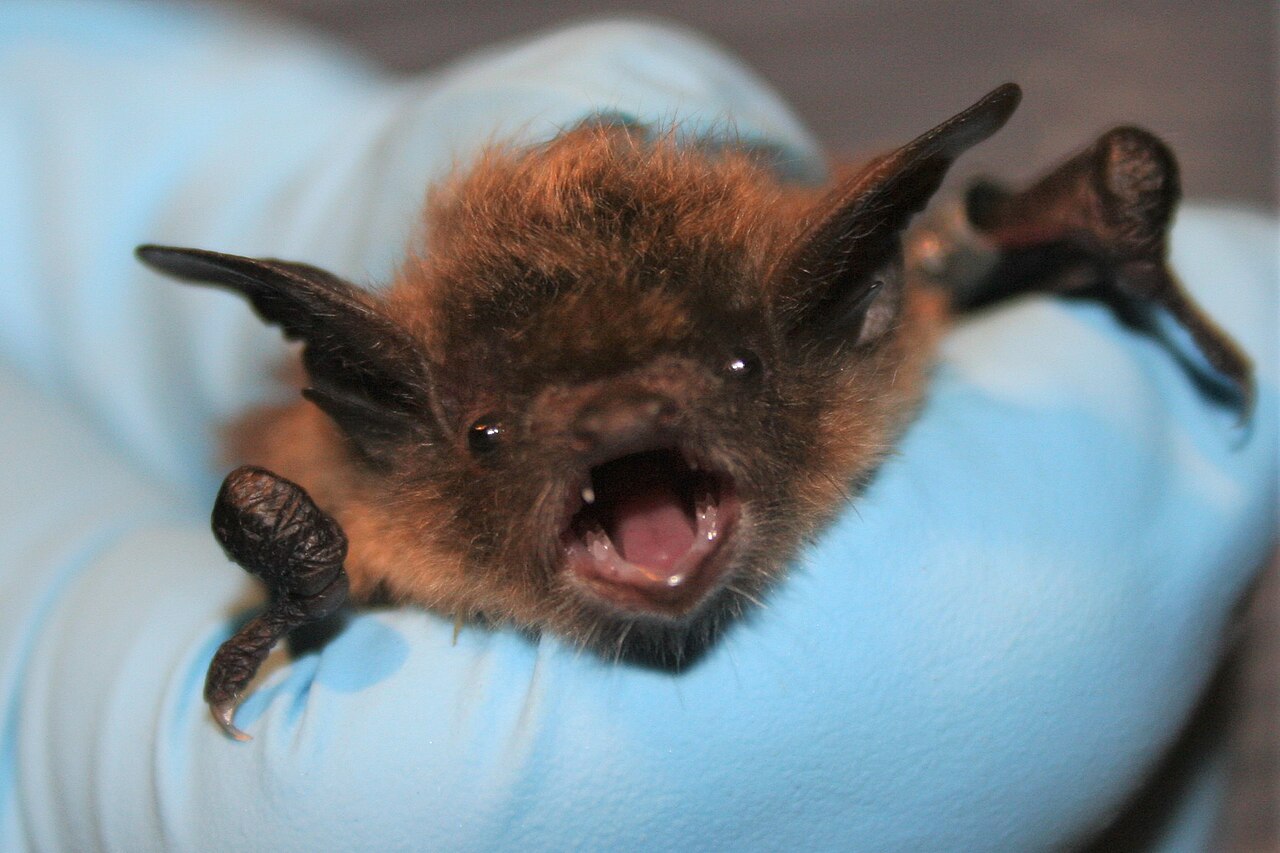
Bats have a bad reputation as harbingers of ugly times in Western culture, but they might be key to longer space travel. But before we see how, let’s see how bats hibernate. Bats hibernate in caves, mines, and crevices with ideal temperature and humidity, known as ‘hibernacula’. A bat’s heart rate drops from 200–300 beats per minute to just around 10 beats per minute, and other bodily functions slow down, reducing energy costs by about 98%. Their body temperature reaches near freezing, depending on the temperature of their surroundings.
Bats can remain in a somewhat active torpor state for a few hours to a few days, or hibernate for over a month. The little brown bat, for example, may hibernate for more than six months and become active when insects return in the spring.
Bats can also help humans hibernate during long-duration space travel, such as a mission to Mars, which can take as long as 21 months. The red blood cells (RBCs) of bats remain elastic in freezing temperatures, while human RBCs turn stiff. If human blood cells can be made to remain more elastic, then human metabolism can likely be slowed to induce a state of dormancy, requiring fewer resources for space travel.
Bats might be creatures of the dark, but they do hibernate, Credit:USFWS/Ann Froschauer
3. Turtles
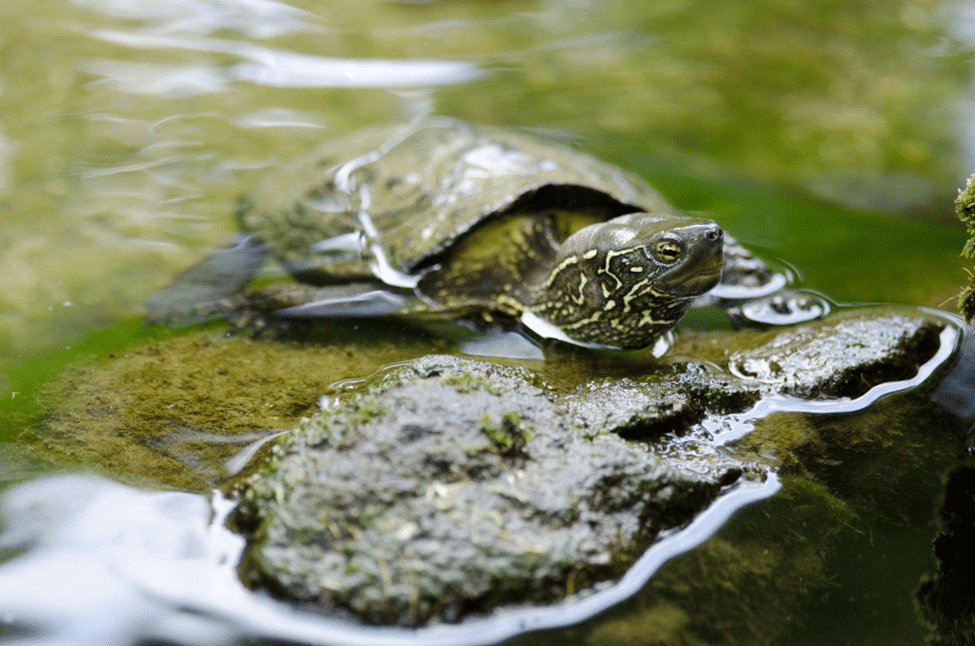
Turtles are ectotherms, or cold-blooded animals, which means they can’t produce body heat and instead rely on environmental heat to stay warm. To save energy, turtles enter a prolonged period of rest called brumation, the term to describe hibernation in cold-blooded animals. Turtles brumate sitting in water to keep a relatively stable body temperature. Water has a higher specific heat capacity than air and thus acts as a thermal buffer, preventing the turtle’s body temperature from fluctuating.
Turtles have lower metabolism in cold water, which translates into lower energy and oxygen demands. They rely on stored energy and extract oxygen from the pond water through body surfaces packed with blood vessels, which is enough to meet their minimal needs without using their lungs. One specific region in turtles takes the cake when it comes to breathing through the skin—their cloaca (or the butt).
When spring arrives and turtles emerge from their brumation, they bask in sunlight to warm up and prevent muscle cramps caused by lactic acid buildup.
Turtles hibernate underwater to maintain body temperature during winter Credit: Depositphotos
4. Bumblebees
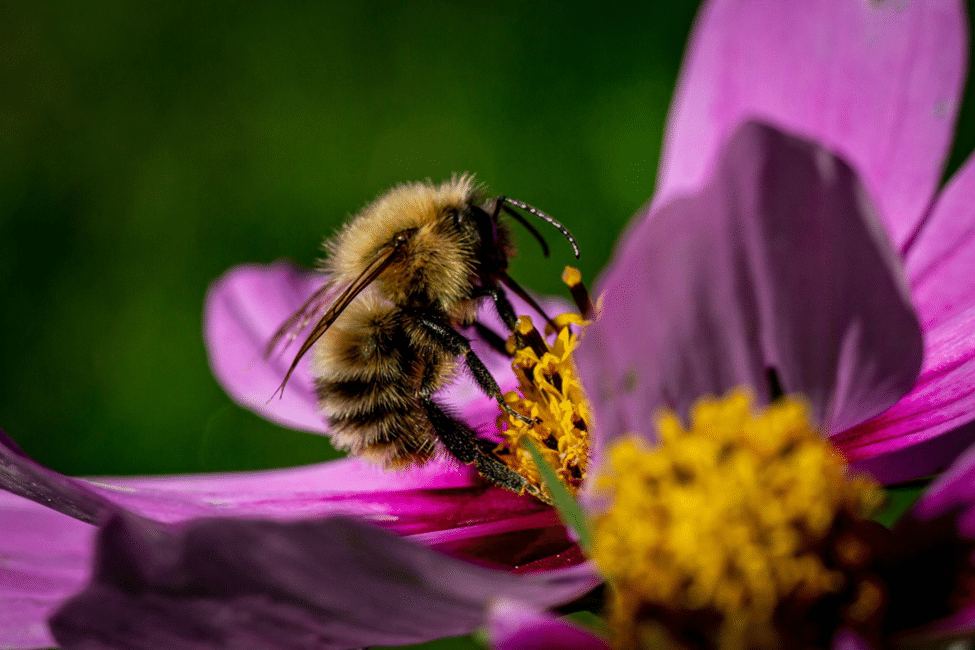
Bumblebees seem to pop out suddenly in spring, after a long period of absence during winter. They actually hibernate and that too, underground. Just like any other hibernating creature, queen bumblebees eat plenty of food to store energy for hibernation. Once the queen is full, the search for a hibernation site begins.
Bumblebees usually burrow into the ground to hibernate. The process of hibernation in bumblebees is mainly guided by changes in day length rather than by extreme temperatures. Scientists prefer the term diapause to describe hibernation in bumblebees.
When the bumblebees emerge again in spring, they start to forage for nectar and pollen to feed the young and grow their colony. Then, by late summer, the original queen and her workers die after producing new queens and males (drones). They leave the nest to find others to mate with. Once they mate, the new queens begin preparations for a winter diapause.
Bumblebees go underground to hibernate during cold weather Credit: Depositphotos
5. Marmots
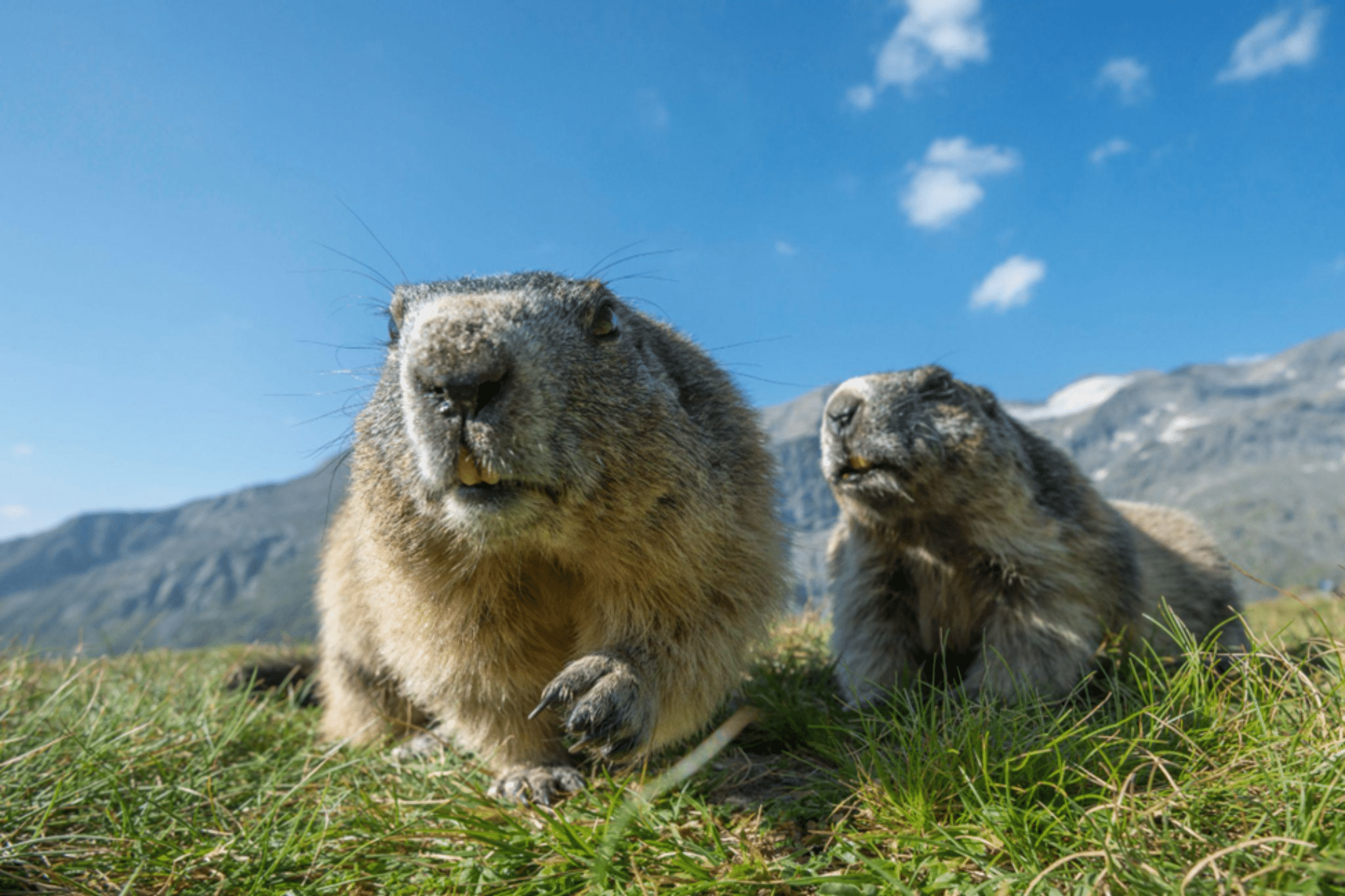
Marmots are chubby rodents that emerge in April or early May and spend the winter hibernating. However, these cat-sized furballs beat the clock by living an average of around 15 years, much longer than expected for their size. Scientists chalk it up to their hibernation habits.
When yellow-bellied marmots emerge in spring, they practically don’t age from when they first curled up in their dens eight months ago. The marmot’s anti-aging ability is linked to metabolic changes in its body during hibernation. While hibernators are at lower risk of predation and infections, marmots completely halt aging during hibernation.
When they hibernate, their body temperature drops to 5°C (41°F), just above freezing. This prevents changes to the DNA and oxidative stress, two main drivers of aging. Like bats, NASA scientists are studying marmot metabolism to mimic hibernation for long-term spaceflight.
Marmots are chubby and cute, but they have anti-aging powers, too Credit: Depositphotos
6. Common Poorwill
The local name for the common pooriwll means “the sleeping one.” True to its name, the common poorwill is famous as the first bird species known to hibernate. The bird lowers its body temperature, heart rate, and breathing for days or weeks to enter a state of torpor when temperatures dip. Scientists discovered this in the 1940s, but the local Hopi people had long known about the birds’ torpid state.
Many birds often indulge in short bursts of torpor to replenish energy, but poorwills are the only ones that do it for a long period, spanning months.
Common poorwill is the first bird recorded to hibernate, Credit: Wikimedia/jakeschneider00
7. Hedgehogs
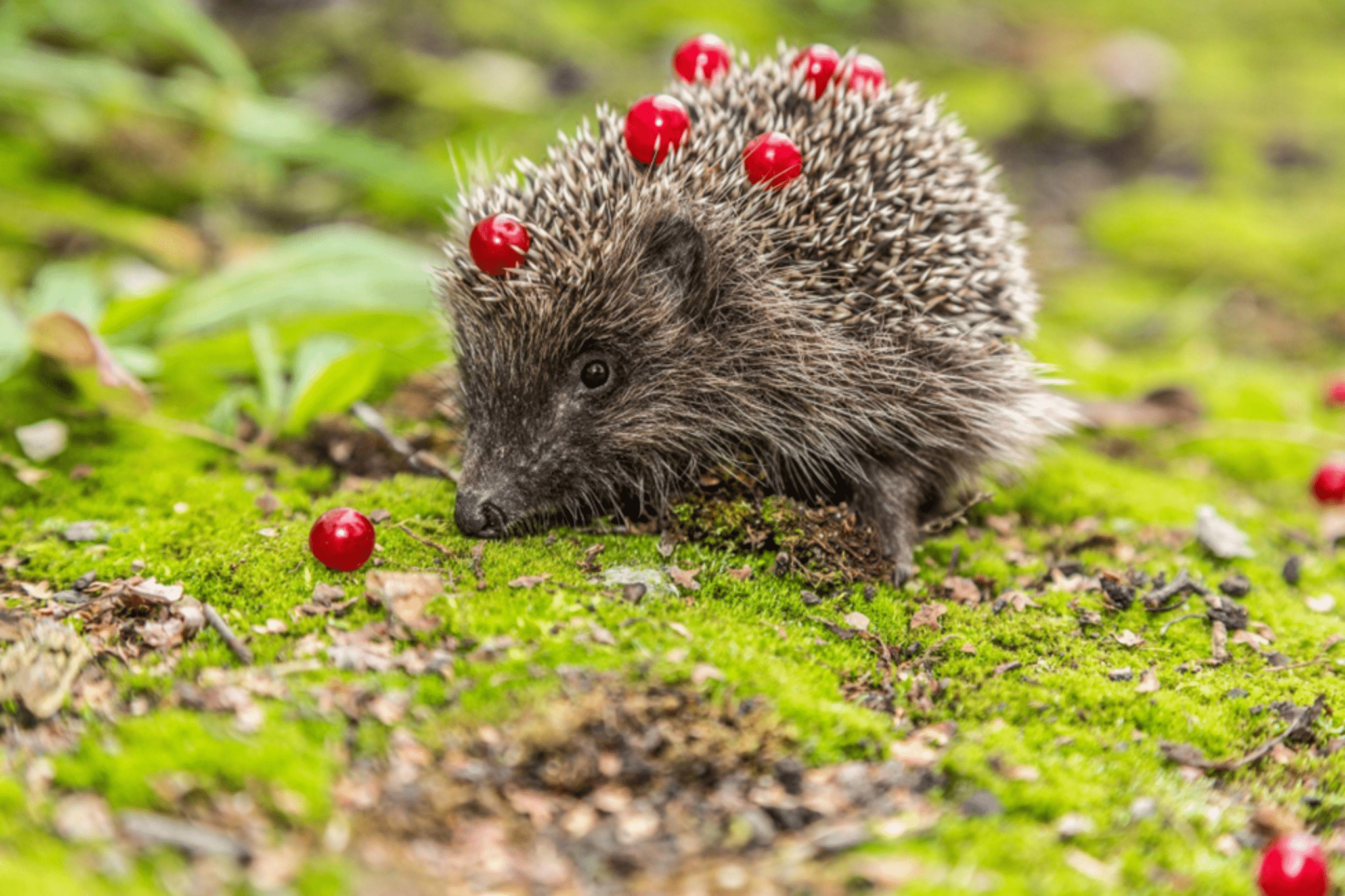
Hedgehogs are among the few mammals that are true hibernators. Their heart rate dips from 190 to just 20 beats per minute, and they breathe once every few minutes. Their body temperature drops from 35°C (95°F) to just 10°C (50°F).
Hedgehogs aren’t picky about choosing a spot for hibernation. They are usually happy to find a big pile of leaves or to be underneath sheds. However, they often wake up during their hibernation, and can sometimes change their spot during this period.
They usually start hibernating in November or December, and the window can extend into January. When spring arrives in mid-March or early April, they become active again, feeding on worms and bugs. If their torpor is disturbed, they might not be able to go back to the dormant state, which can result in a hedgehog’s death. It’s best not to intervene during their hibernation for their safety.
Hedgehogs should not be interfered with when they arouse during hibernation Credit: Depositphotos
8. Snails
Snails don’t typically hibernate, but when they do, they don’t have to worry about hibernacula. Thanks to their calcareous (calcium-rich) shells, they are already one step ahead. Snails are mostly seen after rain, in the early morning, at night, and in the evening, when the soil is moist. At other times, when temperatures are extremely cold or hot, and conditions are dry, they seal themselves inside their shells to hibernate (in winter) or estivate (in summer).
Roman snails (Helix pomatia) have a calcareous shell that insulates them from the cold and frost and prevents them from drying out. If they expel excess water and break down large, unnecessary molecules in their bloodstream into smaller components, they can survive in subzero conditions down to -40°C (-40°F) without freezing.
As for the next entry, they actually freeze somewhat during hibernation.
Snails can hibernate at -40°C(-40°F) without freezing, Credit: Wikimedia/Hans Hillewaert
9. Wood Frogs
Wood frogs are quite chill. They are cold-blooded like turtles, but unlike them, which need to hibernate in water for stability, wood frogs freeze themselves in winter temperatures that can drop to -45°C to -60°C (-50°F to -80°F). In fact, most frogs hibernate deep under water, in ponds and lakes, but wood frogs choose to stand out instead.
Wood frogs hibernate by nestling down into forest litter, composed of leaves and twigs. The leaves provide some insulation, but unlike frogs that hibernate underwater, they are not protected from the frigid temperatures. It might seem stupid and incompatible with survival, but this exact strategy helps them to become active and mate very early in spring, when the frogs that settle underwater are not yet active.
While freezing most certainly kills other animals, it is mostly because ice crystals form inside the body, rupturing organs. The blood can also freeze, which will stop all gaseous exchange and nutrient delivery. Wood frogs have a way to bypass these by forming a shell of ice around their cells and organs, while preventing ice from forming inside them. To achieve this, the wood frog’s liver produces large amounts of glucose, which binds water molecules within cells and prevents dehydration.
A hibernating wood frog looks like an ice sculpture— hard and frigid with no muscle movement, heartbeat, or breathing. In spring, the frog thaws, its heart starts beating, and then its brain activates. Finally, its limbs start to twitch and move. In a way, it’s a lot like the idea of “hypersleep” from the Alien franchise.
Wood frogs freeze 35-45% of their body during hibernation, Credit: Wikimedia/The Cosmonaut
10. Fat-tailed Dwarf Lemur
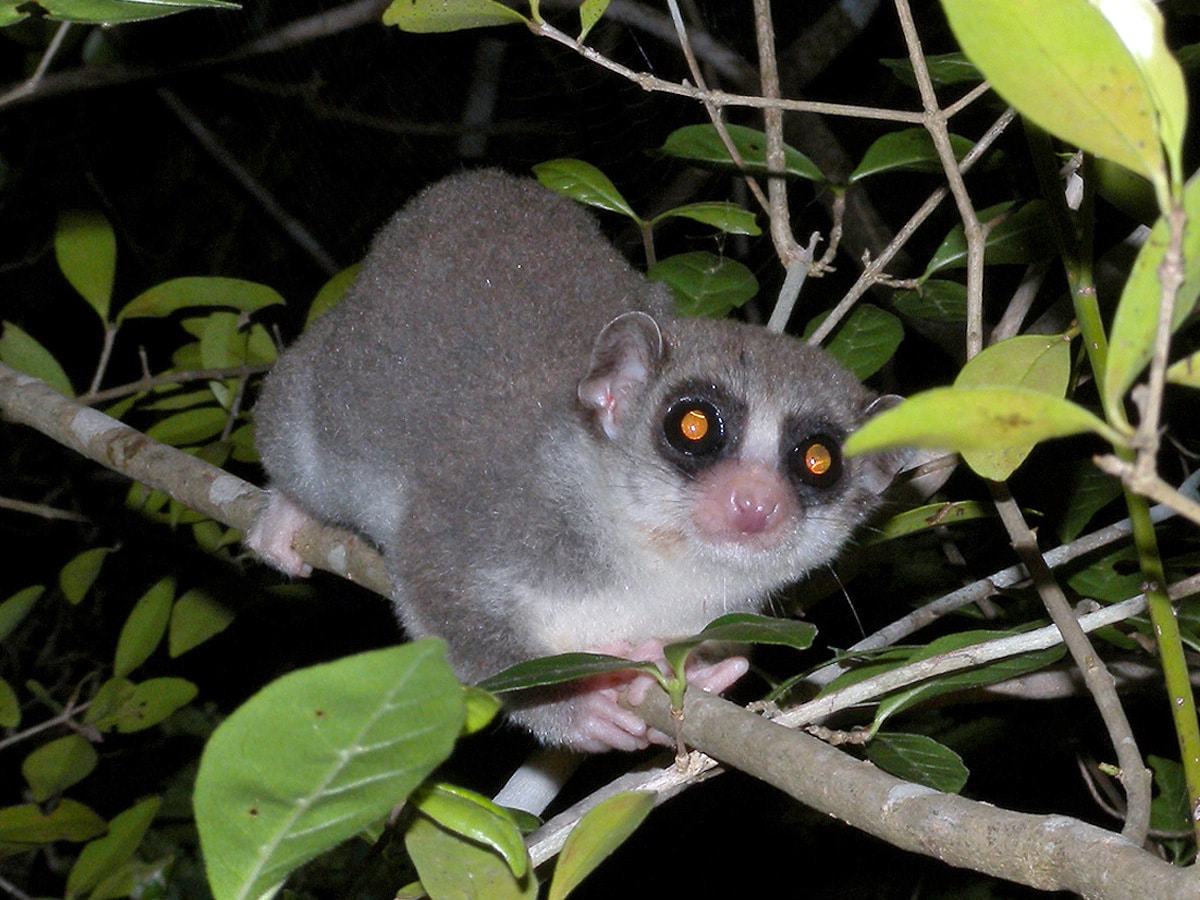
The fat-tailed dwarf lemur is the only primate in the world known to hibernate for extensive periods, almost seven months, laced with periods of torpor when metabolism, heart rate, and body temperatures fall. Heart rate drops from 200-300 beats per minute to just 6.
Dwarf lemurs begin accumulating fat in their tails by voraciously feeding during the wet season to prepare for their hibernation, which is determined by the dry season rather than the cold climate—a staple of Madagascar, where these primates are native. Indeed, their tails really get “fat”, reaching upto 40% of the lemur’s total body weight.
These lemurs also beat the biological clock by lengthening their telomeres, which usually shorten with age, and are a driver of aging. Dr. Lydia Greene, research scientist at Duke University, says, “…there’s a fascinating correlation between hibernation and longevity, and that mammals that hibernate tend to live longer lives than do similarly sized counterparts that don’t hibernate.”
For comparison, dwarf lemurs live 30 years, compared with 12-13 years for bush babies, which are similarly sized primates. However, post-hibernation, telomeres shorten again; hence, it is not a hack to remain young forever.
Fat-tailed dwarf lemurs are the only primates to hibernate, Credit: Wikimedia/ Frank Vassen
I am pursuing my bachelor's in microbiology from Scottish Church College, Kolkata and the lab at my college is as close as my home is to me. My interest lies in molecular biology and cell signalling, and I want to be a professor when I grow up. I believe that what we see around has a fantastic science story in it. In my free time, I love to watch soccer. Writing for Smore Science gives me the chance to explore my take on explaining the science around me in ways that everyone can grasp.