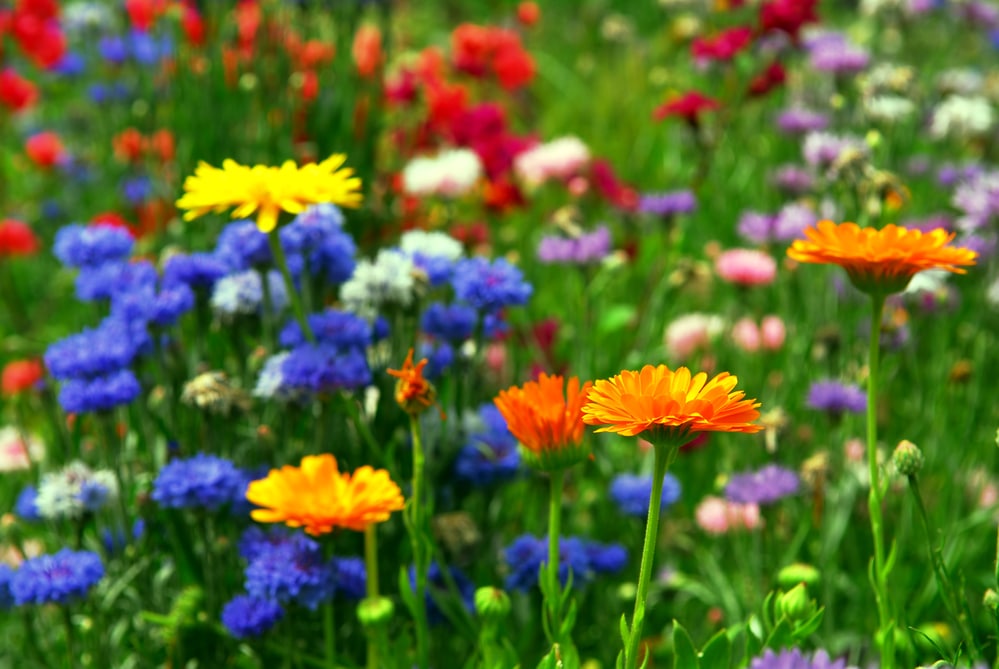
If you take the time to wander around your neighborhood, you might see strikingly pretty flowers in different shapes, colors, and sizes. It’s no doubt that these flowers are quite irresistible, right? We’re always tempted to stop and smell the blooms! But have you ever tried eating any of them? They can be quite the delicacy!
We’re always tempted to stop and smell the blooms! Credit:Depositphotos.com/elenathewise
The human connection
Throughout time, humans have loved adding new ingredients to their food. We are constantly motivated to find new flavors to whip up incredible meals! So, it’s not too surprising that we’ve also turned to flowers in our culinary explorations. In fact, we’ve been putting flowers in our food since about 3000 BC! You might not expect it, but some flowers likely already make a regular appearance in your diet. Think about all the meals you’ve had that included cauliflower or broccoli!
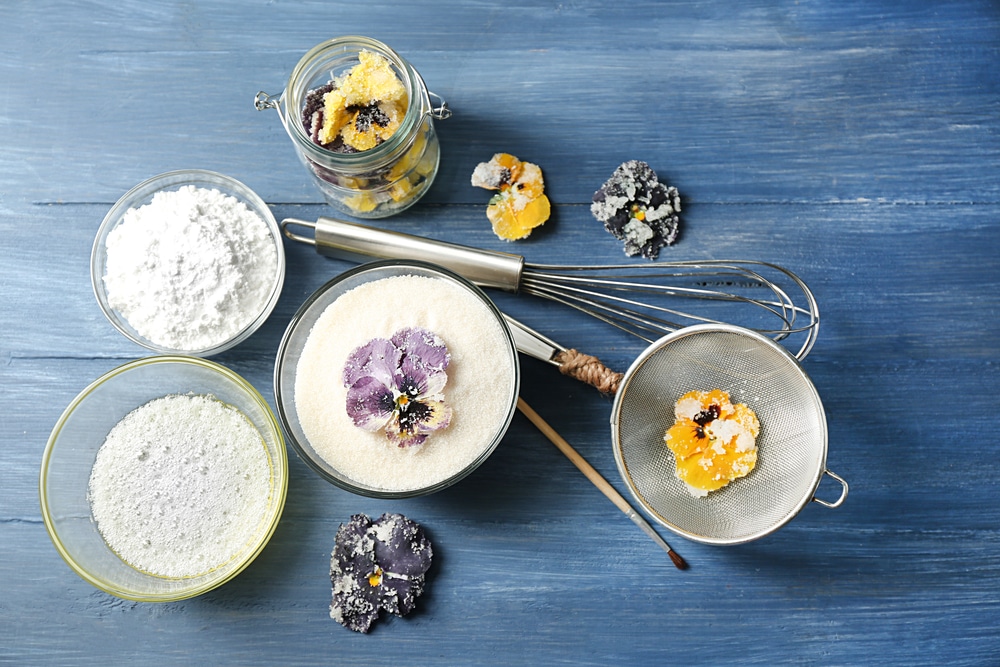
Violets can be candied to make something sweet to the tongue and the eye! Credit; depositphotos.com/belchonock
From the vibrant butterfly pea flower that steeps to give a blue color to tea, to the subtle saffron strands that give yellow color and fragrant flavor to Middle Eastern dishes, flowers have graced our plates for millennia. The consumption of flowers has strong bonds to history, tradition, and art across multiple cultures through time and space. Edible flowers have come to be known for their medicinal benefits, their aromas, and their own unique tastes.
Flowers used in food tell tales of different cultures and values, but they are also fascinating biological wonders! What makes them edible? A curious scientist like you might even ask: Well, why would it be beneficial to the plant if the flower gets eaten in the first place?
Come hither—the evolutionary significance of edible flowers
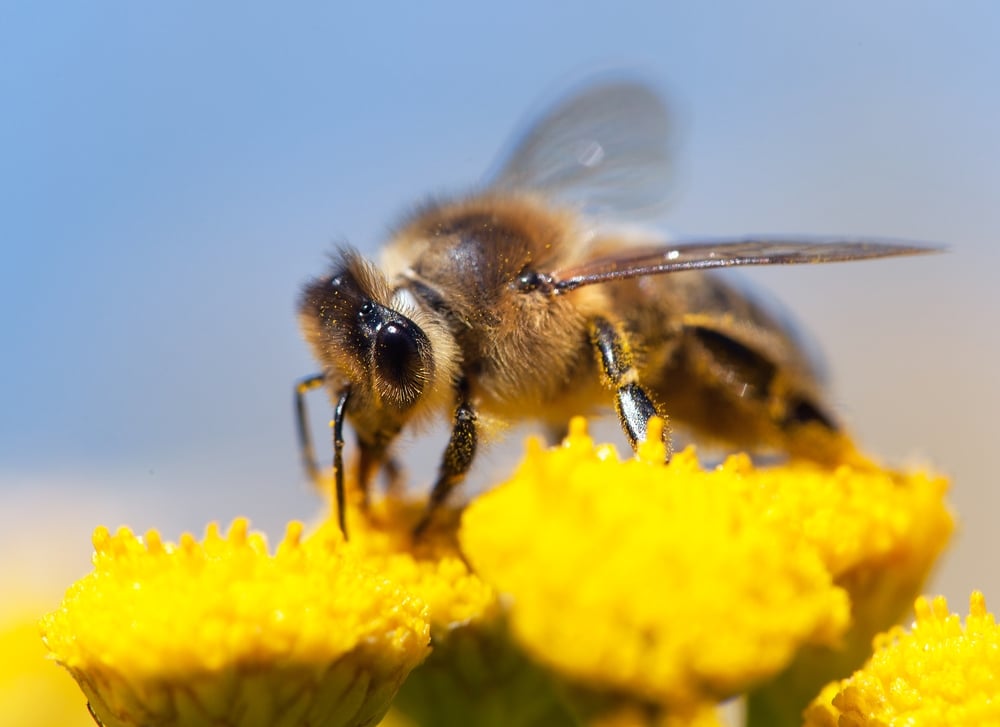
Some animals (like bees) can help pollinate the flowers, and other animals can help disperse their seeds, Credit: depositphotos.com/prudek
Like most organisms in nature, flowering plants, or angiosperms , have one predominant goal: reproduction. Plants grow from seeds. In order to make these seeds, pollen (from the male reproductive organ) has to reach the ovule (from the female reproductive organ). This is called pollination . But of course, sometimes these parts are found in different plants spread out over a large distance! Plants are tasked with making sure these seeds reach far and wide. How do they do this? Clearly, plants have limitations on how they reproduce (for starters, they can’t really move around too much!).
They get around this with the help of agents like bees, birds, and even humans. Some animals (like bees) can help pollinate the flowers, and other animals can help disperse their seeds. So, how do these plants get other organisms to help them out? Scientists reckon that the evolution of flowers, especially edible ones, is one incredible tool to do just that—attract their helpers! When animals, including humans, consume these flowers, they may play a role in the dispersal of seeds or the transfer of pollen, either directly or indirectly.
Some edible flowers have evolved bright colors, enticing scents, and unique flavors as a way to attract pollinators, ensuring their survival and reproductive success.
Others might have evolved as a defense mechanism. By being palatable to certain animals and not to others, these flowers could deter some potential herbivores while promoting symbiotic relationships with other species that either disperse their seeds or keep away more harmful predators.
When it comes to humans, what exactly makes these flowers, well, edible?
What makes these flowers edible?
What do we really mean when we say “edible”? Birds and beasts alike have turned to flowers, but not all flowers are particularly appetizing or even good for humans.
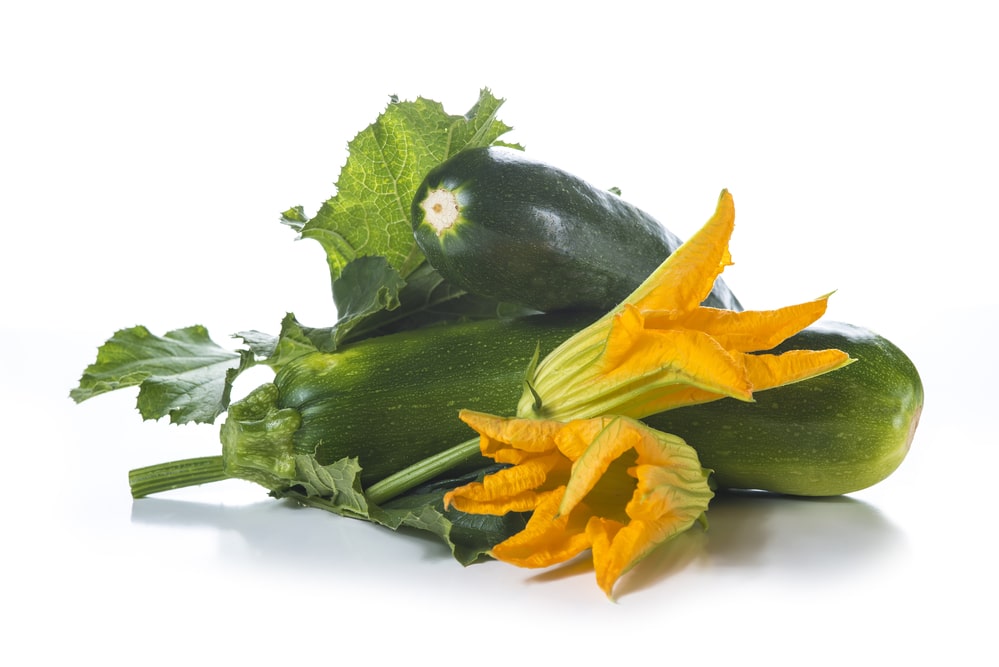
Squash flowers are a staple in many dishes, Credit: depositphotos.com/angelsimon
Edible flowers are those flowers that can be eaten safely by humans. Flowers like chamomile and the squash flower are great examples! Most flowers that we consume have a good amount of carbohydrates, like sugars, found in the nectar within these flowers. They also hold a healthy amount of micronutrients that nourish our bodies. Other flowers, like daisies or even vibrant marigolds, can only be eaten in small amounts. Any more, and you run the risk of severe health issues! These distinctions come from their biochemical profiles
Flowers, like all plants, are made up of complex biochemical compounds, many of which contribute to either their taste or nutrient value.
Over time, in phytochemical and pharmaceutical experiments, researchers have found that the tissues of flowers can have positive effects on our health, Credit: depositphotos.com/p.thongdumhyu
These molecules belong to a class of phenolic compounds that are aromatic. Responsible for the blue, purple, and red hues in many flowers, anthocyanin is also a potent antioxidant. Antioxidants help to protect the body from diseases like cancer and heart disease. They often lend a mild to tart taste to flowers. Anthocyanins are part of another class of molecules called flavonoids !
Flavonoids
Plants make flavonoids as a secondary metabolite, that is, a specialized substance that is not directly involved in growth. Flavonoids are commonly found in the human diet. Apart from their role in coloring flowers, flavonoids influence the taste and aroma of the blooms. Flowers rich in flavonoids often have a distinct taste, ranging from bitter to aromatic.
Turns out, flowers can whip up some divine biochemical concoctions that tease the taste buds in all the right ways! Here’s to flower power!
Flesch Kincaid Grade Level: 9.1
Flesch Kincaid Reading Ease: 57
Glossary
Angiosperms: Seed-producing plants that have flowers and fruit, also known as flowering plants.
Anthocyanin: Water-soluble pigments found in plants which can appear red, blue, or purple depending on the ph.
Flavonoids: A large family of compounds synthesized by plants, involved in UV filtration, symbiotic nitrogen fixation, and floral pigmentation
Pollination: The transfer of male pollen to the female stigma
Phytochemical: Any chemical that plants synthesize
Swarna Ramakrishnan has been fascinated by the natural world ever since she was a young girl! She graduated from Azim Premji University, India with a Bachelor’s in Biology and a minor in applied mathematics. During her research, she trekked through the beautiful forests of the Western Ghats in India to answer questions about stomata and climate change. Currently, she is pursuing her Master’s in Biophysics from Ulm University, Germany. Swarna writes for Smore magazine to spread stories of nature in hopes of inspiring the next generation of scientists!