When we think of the cleanest animals in the world, cats might be the first that come to mind, but they are far from the only ones. Across the animal kingdom, many species have developed incredible ways to stay spotless. From elaborate self-grooming routines to smart strategies for keeping their homes clean, these animals take hygiene seriously, and often for good reasons—health, survival, and even social standing.
To learn more, let’s take a look at some of the cleanest animals on Earth and why they deserve this squeaky-clean reputation.
The cleanest animals in the world and why
Cica the cat cleaning herself. Credit: Wikimedia Commons/George Gillams
1. Cats
Why They’re So Clean: Cats’ grooming habits and their preference for neat spaces
When it comes to the cleanest animals in the world, cats are definitely at the top of the list. They are dedicated to staying clean, spending hours every day licking their fur. Scientists suggest that cats may spend as much as 24% of their waking hours grooming, with some estimates going as high as 50%.
The tongues of cats, covered in tiny, spine-like structures called papillae, work like a built-in hairbrush that transfers a good amount of saliva to their coats. These papillae help remove dirt, loose hair, and any embarrassing bits of yesterday’s dinner stuck to their whiskers.
Cats also instinctively avoid making a mess in their living space, and have a strong preference for burying their waste in the litter box. But cats don’t just groom for the sake of it. This obsession with hygiene is a clever survival strategy. In the wild, being tidy and scent-free means a reduced chance of becoming lunch for a larger predator.
Common dolphin (Delphinus delphis); Credit: Wikimedia Commons/Netspy
Dolphins are some of the cleanest animals in the world. Although they live in an environment where water continuously washes away dirt and parasites, they don’t rely solely on the ocean for cleanliness.
Dolphins engage in symbiotic relationships with certain fish that help them out by eating dead skin and algae from their bodies. These intelligent creatures also clean themselves by rubbing against corals and sponges, which helps treat skin conditions and maintain a healthy skin microbiome.
In fact, during the summer of 2019, researchers collected small samples from two species of soft coral and one sponge that dolphins were observed rubbing against in the Red Sea. They found that the invertebrates contained multiple chemicals with antimicrobial and antibacterial properties, as well as compounds similar to estrogen, which can improve skintone.
Ants cleaning up: removing a dead moth piece by piece. Credit: Wikimedia Commons/Harald Hoyer
3. Ants
Why They’re So Clean: Organized colony maintenance and dedicated grooming are the secrets of ants’ cleanliness
Ants may not be everyone’s favorite guests, but these little animals are surprisingly clean. Unlike flies or cockroaches, ants don’t spread diseases through food, and they keep their bodies quite clean.
Ants use their mouths to clean their legs, feet, and even other ants in the colony. Their colonies are well-organized and spotless. Worker ants take care of moving waste and any dead ants away from their main living areas.
Ants even have designated trash areas, far from their food and living spaces, making their colonies some of the cleanest and best-organized in the animal world.
A Finnish pig farm. Credit: Wikimedia Commons/kallerna
4. Pigs
Why They’re So Clean: Pigs’ natural hygiene habits and their love for mud
Although pigs are often thought of as dirty, their cleanliness habits paint a different picture. Pigs prefer to keep their living and eating spaces far from where they excrete when given a choice, even avoiding soiling the areas where they sleep. This instinct makes them one of the cleanest animals in the world.
Pigs don’t sweat, so to stay cool, they wallow in mud. This behavior not only regulates their temperature but also serves to protect their skin and keep parasites away. So, despite their muddy appearance, pigs’ reputation for being dirty is truly undeserved.
Eastern Yellow Robin. Credit: Wikimedia Commons/JJ Harrison
5. Songbirds
Why They’re So Clean: Preening Rituals and Tidy Nests
Songbirds take great care in grooming themselves. Each day, they spend time preening, using their beaks to clean and straighten their feathers. This helps them remove dirt, parasites, and other debris.
Songbirds are also very tidy about their nests. They go the extra mile by removing waste, leftover food, and anything that might attract predators. They also discard old eggshells and dead chicks, making their homes safer and more hygienic.
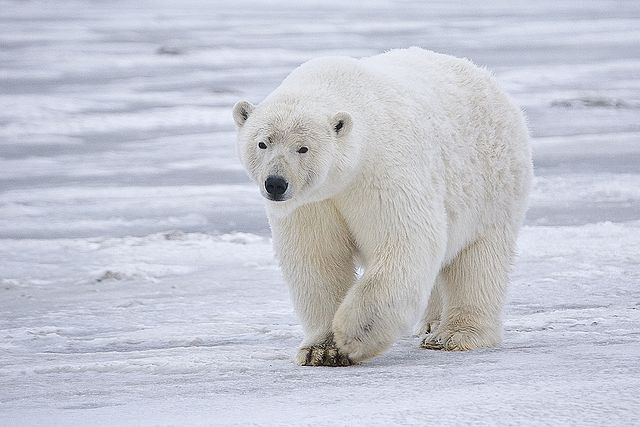
Female polar bear (Ursus maritimus) near Kaktovik, Barter Island, Alaska. Credit: Wikimedia Commons/Alan Wilson
6. Polar Bears
Why They’re So Clean: Grooming Routines for Warmth and Protection
Polar bears are quite the neat freaks when it comes to grooming because it helps them stay warm in their cold environment.
Their fur needs to be clean and free from mats to work properly as an insulator. When their fur is dirty or matted, it can’t trap heat as effectively, which makes it harder for them to stay warm.
After they eat, polar bears often clean themselves by swimming or rolling in the snow. This helps remove dirt and also cools them down (as they can overheat even in freezing conditions). Typically, after feeding for 20-30 minutes, they take 5-10 minutes to rinse off and lick their paws and face before continuing their meal.