When we think of bats, we often picture them flying through the night, but there’s something they leave behind that’s surprisingly important: Bat droppings! Bat droppings are also called guano and have unique properties that make them quite interesting. In this article, we shall look at what bat droppings are, why they are essential, and their effects on the environment and individuals.
What Are Bat Droppings?
Bat droppings, Credit: Wikimedia/Aphidwarrior
Guano is the excrement that bats produce after consuming their food. Bat guano is unlike the droppings of many other animals in texture and appearance. It is small, typically ranging from the size of a rice grain, and usually is 0. 5 inches (1.3 cm) long and may appear like tiny pellets. Bat guano is dark brown or black; when crushed, it turns into fine powder that may sparkle in the light.
Where Can You Find Bat Droppings?
Guano accumulates in areas inhabited by bats. These locations are known as roosts and can include:
Caves and Caverns
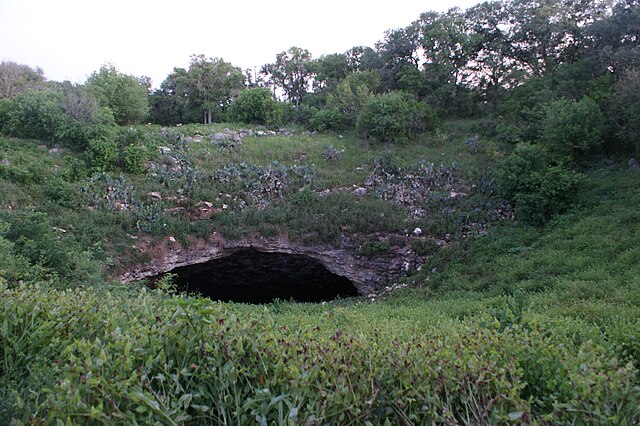
One can find bat droppings most frequently in caves and caverns. Bats prefer to roost in the dark and secluded areas during the day. Periodically large heaps of guano form in these regions, thus creating nutrient-dense mounds.
Bracken Bat Cave, Credit: Wikimedia/Daniel Spiess
Attics and Barns
Bats may roost in human-made structures such as attic spaces, barns, and sheds. If there is a colony of bats, you will likely see droppings around these areas. One has to be careful if they find bat droppings in their home because they are known to spread diseases.
Why Are Bat Droppings Important?
Bat guano is very important to the ecosystem. Here are some of the ways guano is valuable:
Natural Fertilizer
Bat guano is one of the finest natural fertilizers that one can use in their garden. It contains nitrogen, phosphorus, and potassium – vital to plant growth and development. The nutrients in guano help plants have strong roots, increase the yield of fruits, and fight diseases.
Supporting Cave Ecosystems
In caves, it supports entire ecosystems. It is rich in nutrients and consumed by bacteria, fungi, insects, and other animals, including birds. These organisms decompose the guano, which helps to support the other cave-dwelling organisms. If it were not for guano, many caves would not be able to sustain the species that live there.
Possible Hazards of Bat Guano
Bat guano is suitable for growing plants, but it negatively affects human health. So it’s important to be aware of these dangers:
Health Hazards
Guano can be contaminated by fungi that cause histoplasmosis, a lung disease that can be fatal to persons with compromised immune systems. It is when the guano is in some way moved or disturbed that the spores of the fungi are released into the air and can be inhaled. One should only touch or handle the bat droppings while wearing protective gear.
Structural Damage
If bats choose your house as their place for roosting, their excrement will accumulate over time. Guano in large quantities can lead to rotting of wooden structures and other structures made of different materials. This is another reason why getting rid of bats and cleaning up the guano is essential.
Methods For the Safe Disposal of Bat Guano
Bat guano removal should be done carefully if you discover it within or around your house. Here’s what you should do:
Wear Protective Gear: It is essential to wear gloves, a mask, and protective clothing when cleaning up bat droppings since they contain hazardous spores.
Avoid Stirring Dust: If droppings are cleaned as they are, they will release dust into the air, releasing spores into the environment.
Dispose of Droppings Properly: Place the droppings in a plastic bag and put the bag in a sealed trash can.
Seek Professional Help: If you have a large bat colony or a huge guano issue, it is best to call a professional wildlife control company.
Although bat droppings are tiny, they are a force to reckon with when it comes to influencing the ecological system. They assist plant growth, contribute to the food chain, and act as manure to farmers. But of course, we have to be reminded that they may be dangerous for our health and must be handled with care.