Introduction
Picture this: a control tower that manages the busiest airport in the world, coordinating thousands of flights daily. Now, imagine if this control tower was located in your body and, instead of planes, managed your vital life functions. Welcome to the world of the brain stem! This small yet important part of your brain is the unsung hero of the nervous system. In this article, we’ll dive into the fascinating functionalities of the brain stem, unraveling its complex roles in a way that’s easy to grasp.
The brain stem: A basic overview
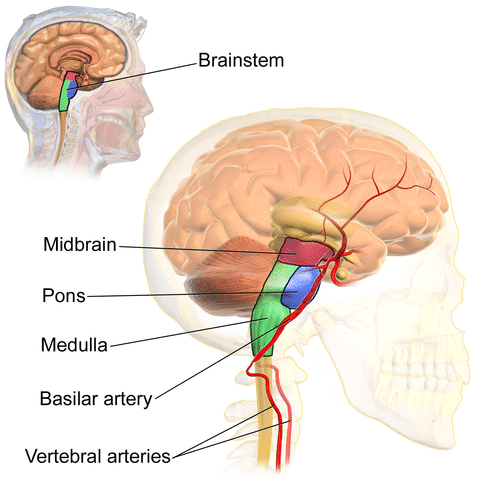
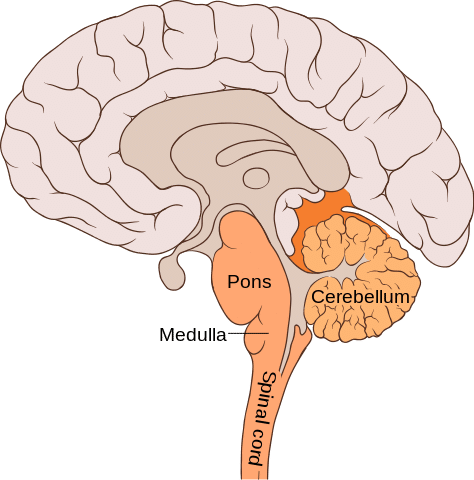
The brain stem is nestled at the base of your brain, right above the spinal cord. It is small, about the size of a thumb — but don’t let its size fool you. The brain stem is a powerhouse, handling many tasks that keep us alive and kicking. It comprises three parts: the midbrain, the pons, and the medulla oblongata, each contributing uniquely to the overall function. To understand the brain stem, we need to appreciate the intricacies of how our bodies work in silent, efficient harmony.
The lifeline: Vital functions of the brain stem
Imagine the brain stem as the body’s lifeline. It regulates functions we don’t even consider, i.e., involuntary actions, such as breathing, heart rate, and blood pressure. The medulla oblongata, for instance, is a key player in respiratory and cardiovascular control. Studies have shown how this part of the brain stem can adjust our breathing rate in response to factors like exercise or sleep. This automatic pilot feature of the brain stem is crucial for our survival.
The communication hub
Besides vital functions, the brain stem is also a bustling communication hub. It’s the main conduit for information traveling between the brain and the rest of the body. The pons, located in the middle of the brain stem, plays a pivotal role in relaying signals, particularly those involved in sleep and sensory experiences. This part of the brain stem is like the central station of a train network, ensuring messages are sent and received efficiently.
The coordinator of movement
The brain stem isn’t just keeping us alive; it also helps us move. The midbrain, the uppermost part of the brain stem, is integral in coordinating eye movements and auditory processing. It houses structures like the superior colliculus, which helps orient our eye movements and reactions to visual stimuli. Thanks to the midbrain, we can smoothly track moving objects or turn our heads toward a sound.
The guardian of consciousness
One of the most intriguing functions of the brain stem is its role in consciousness. The reticular formation, a network of neurons within the brain stem, helps maintain our state of alertness and consciousness. This area filters incoming stimuli to keep us focused on what’s important and not overwhelmed by sensory overload.
The brain stem and sleep
The brain stem’s influence also extends into the realm of sleep. It helps regulate the sleep-wake cycle, working in tandem with other parts of the brain. The pons, for example, is involved in initiating REM (Rapid Eye Movement) sleep, the stage where you dream. Understanding the role of the brain stem in sleep is vital for unraveling sleep disorders and their treatments.
The impact of brain stem disorders
When the brain stem malfunctions, the consequences can be severe. Conditions like strokes, tumors, or injuries to the brain stem profoundly impact basic bodily functions and consciousness. The brain stem’s compact size and crucial role make it a critical area of study in neurology and medicine.
Research and the brain stem
Ongoing research on the brain stem is unlocking our understanding of neurological diseases. For instance, studies on the brain stem’s involvement in neurodegenerative diseases like Parkinson’s and Alzheimer’s are shedding light on potential treatments. The more we learn about the brain stem, the closer we get to unraveling the mysteries of the human brain.
Conclusion: The brain stem, our unsung hero
The brain stem might be a small part of our brain, but its impact on our daily lives is immense. It’s a testament to the complexity and wonder of the human body, quietly handling tasks that keep us alive, moving, and conscious. Understanding the brain stem is not just a journey into a crucial part of our anatomy; it’s a journey into understanding ourselves.
Contributors