How The Tiny Pituitary Gland In Your Brain Controls Your Whole Life

Table of Contents

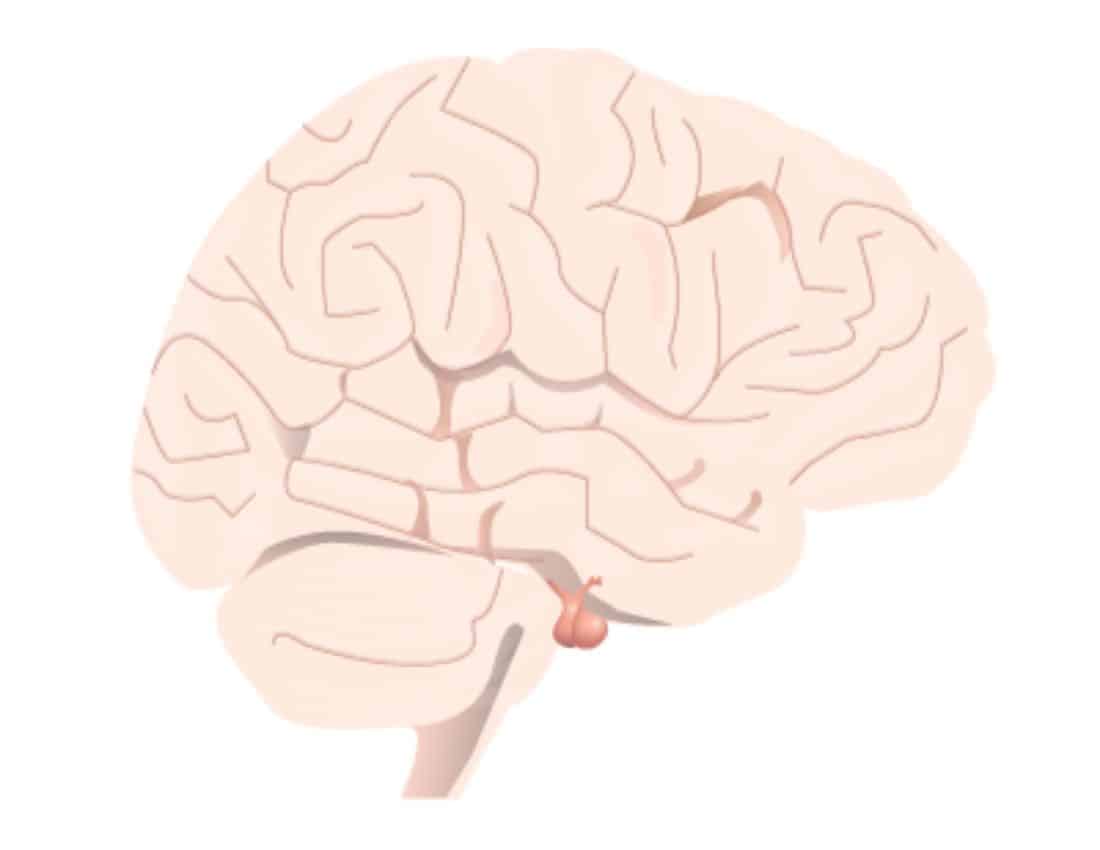
The pituitary gland , often called the ‘master gland,’ is no larger than a pea, yet its impact on our body is immense. Nestled at the base of the brain, this small but mighty gland plays a pivotal role in regulating vital bodily functions and hormones. In this article, we’ll explore why the pituitary gland is such an indispensable part of our body’s symphony.

A tiny gland with a mighty role

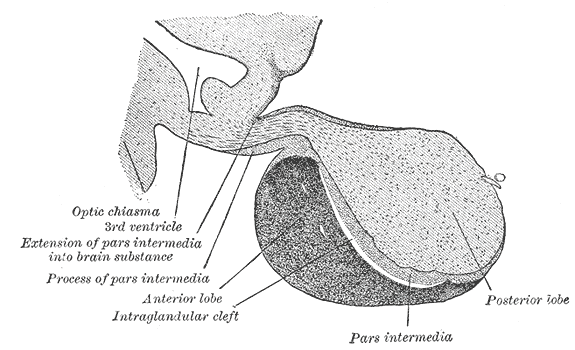
The pituitary gland might be small but punches well above its weight class. It’s divided into two parts: the anterior and posterior pituitary , each with its unique responsibilities. The anterior pituitary , for instance, controls hormones that influence growth, metabolism , and reproduction, among other things. The posterior pituitary, on the other hand, manages the balance of water in our bodies and childbirth contractions. This division of labor ensures our body works like a well-oiled machine.

Think of the pituitary gland as the maestro of an orchestra, with each hormone being an instrument in the symphony of our bodily functions. This gland secretes various hormones, each playing a critical role. For instance, growth hormone helps develop bones and muscles, while thyroid-stimulating hormone ensures our metabolism runs smoothly. The harmony created by these hormones is crucial for our overall well-being.

● One of the pituitary gland’s key roles is regulating growth. Growth hormone, produced by the anterior pituitary, is the star player here. It helps children grow taller and aids adults in maintaining healthy muscle and bone mass. Without this hormone, growth abnormalities can occur, leading to conditions such as dwarfism or gigantism.

● Your metabolism — the process that turns the food you eat into energy — is also influenced by the pituitary gland. The thyroid-stimulating hormone it releases tells the thyroid gland how much energy to produce. Too much or too little of this hormone can lead to metabolic disorders like hyperthyroidism or hypothyroidism, affecting your energy levels, weight, and overall health.

● The pituitary gland also plays cupid in our reproductive story. It releases hormones like Follicle Stimulating Hormone (FSH) and Luteinizing Hormone (LH) , which are key players in the reproductive processes of both men and women. These hormones ensure the proper functioning of the ovaries and testes, and imbalances can lead to fertility issues.

● When life throws a curveball, the pituitary gland orchestrates our body’s response. It releases Adrenocorticotropic hormone (ACTH) , which in turn stimulates the production of cortisol , the stress hormone, in the adrenal glands. While cortisol is vital in managing stress, too much of it can lead to health issues like anxiety or high blood pressure.

● Though often overshadowed by its anterior counterpart, the posterior part of the pituitary gland plays a crucial role in regulating the body’s water balance. It releases a hormone called vasopressin , which controls the amount of water excreted by the kidneys. This hormone helps maintain the delicate balance of fluids in our bodies, ensuring that our cells and organs function optimally.

Anterior_and_posterior_pituitary
Anterior and posterior pituitary, Credit; Wikimedia/ Ruth Lawson Otago Polytechnic

Disorders of the pituitary gland

Despite its small size, problems with the pituitary gland can lead to significant health issues. Pituitary tumors, although usually benign, can disrupt the production of hormones, leading to a variety of symptoms. Hypopituitarism , where the gland underproduces hormones, can result in symptoms ranging from fatigue to infertility.

Gray
Histology of the Pituitary Gland, Credit; Wikimedia/ Henry Vandyke Carter

Glossary

Pituitary Gland: A small, pea-sized gland located at the base of the brain, responsible for controlling various hormones in the body.


Anterior Pituitary: The front portion of the pituitary gland, which produces hormones that influence growth, metabolism, and reproduction.


Posterior Pituitary: The pituitary gland’s back part regulates water balance and childbirth contractions.


Growth Hormone: A hormone the anterior pituitary produces that aids in bone and muscle development.


Thyroid-Stimulating Hormone: A hormone influencing the thyroid gland to regulate metabolism.


Metabolism: The process by which the body converts food into energy.


Follicle Stimulating Hormone (FSH): This hormone is involved in the reproductive processes, influencing the function of the ovaries and testes.


Luteinizing Hormone (LH): This is another reproductive hormone that helps regulate the function of the ovaries and testes.


Adrenocorticotropic Hormone (ACTH): A hormone that stimulates cortisol production in response to stress.


Cortisol: Known as the stress hormone, it helps the body manage stress but can cause issues in excess.


Vasopressin: a hormone from the posterior pituitary that controls the amount of water excreted by the kidneys.


Hypopituitarism: A condition where the pituitary gland underproduces hormones, leading to various symptoms.

Melmed, S. (2011). The Pituitary (3rd ed.). Academic Press.


Ho, K. Y. (2007). “Pituitary Physiology and Diagnostic Evaluation.” In De Groot, L. J. & Chrousos, G. (Eds.), Endotext [Internet]. MDText.com, Inc.


Vance, M. L. (2010). “Hypopituitarism.” New England Journal of Medicine, 362(20), 1822-1828.


Mayo Clinic Staff. (2021). “Pituitary Tumors.” Mayo Clinic.

Contributors

  • sarita menon

    Dr. Sarita Menon is the founder, and Head of Content at Smore Science. With a PhD in cancer research and over 15 years of experience Dr. Menon has honed her skills as a science communicator focused on making complex and important science engaging and understandable to all. Whether reviewing article ideas, working with writers, or editing pieces herself, Dr. Menon’s guiding vision shapes the informative yet captivating content published across both the website and print magazine.

    View all posts

Copyright @smorescience. All rights reserved. Do not copy, cite, publish, or distribute this content without permission.


Join 20,000+ parents and educators
To get the FREE science newsletter in your inbox!