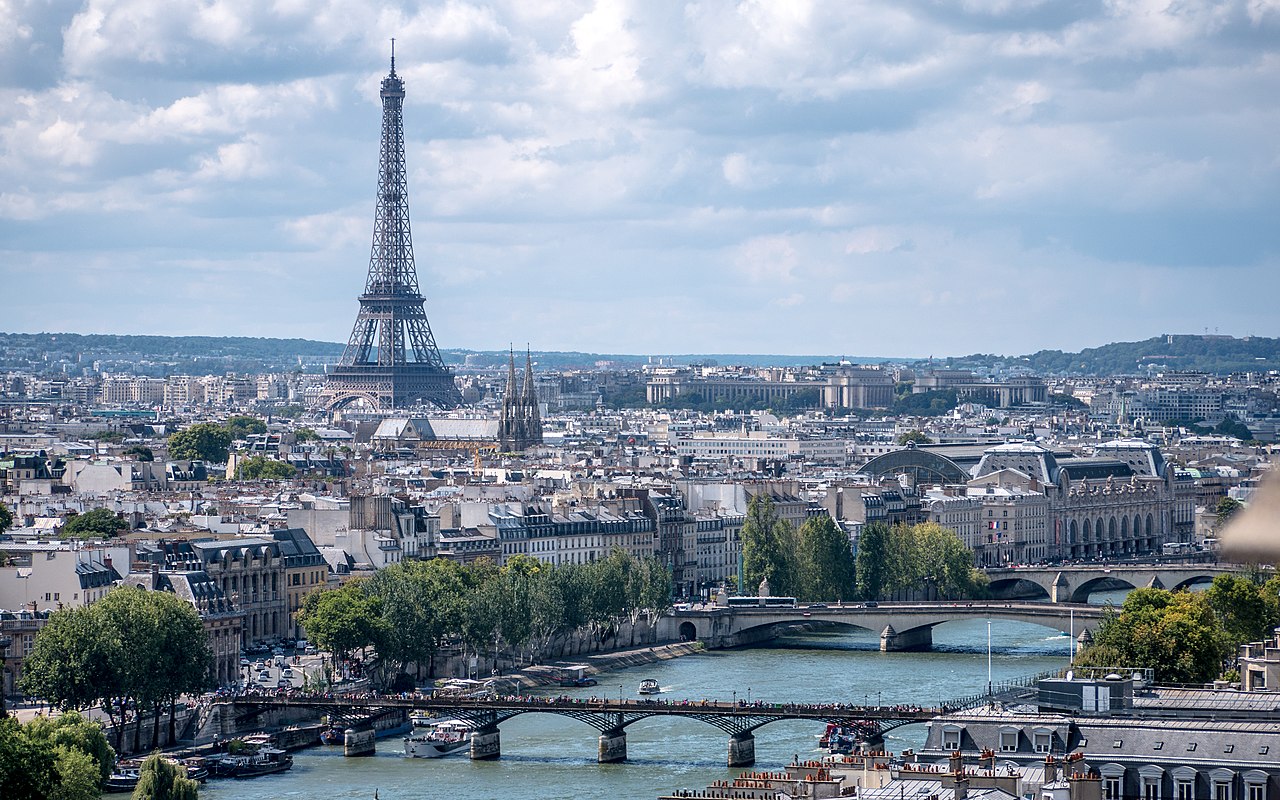
What’s special about Paris?
What comes to mind when you picture Paris? Maybe the Eiffel Tower, twinkling serenely in the nighttime next to the River Seine. Maybe the Louvre, with its iconic glass pyramid. Paris is often painted as a city of romance, culture, and beauty.
Movies like Amélie and Before Sunrise spotlight the city’s mysterious and artistic charm, making it seem like a place where dreams come true and love is always in the air. Famous books like The Hunchback of Notre-Dame and Les Misérables add their own layer of allure, mixing tales of love and struggle with the city’s architecture and history. Even singers and songwriters don’t skip Paris, writing about the cobblestoned streets under the moonlight. In recent years, social media has also played its role in portraying Paris as picture perfect, highlighting its fashion, food and culture.
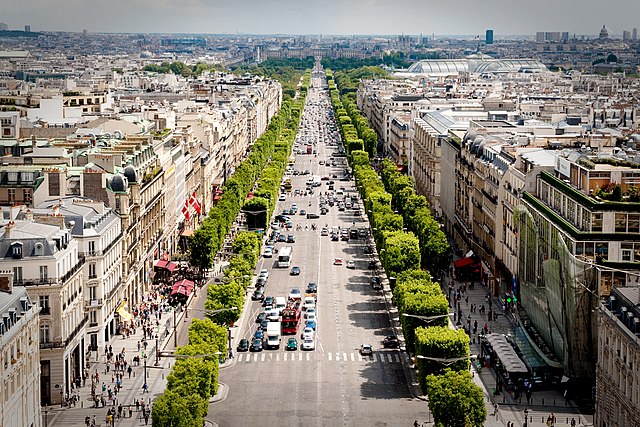
But while all these depictions make Paris seem like a fantasy land, the reality can be different. After all, it’s a city like any other, and has its share of everyday life, from crowded metros to cold weather and rude waiters. When all you see is perfection, the actual experience of the city can lead to a contrast that can be surprising and even disheartening, sometimes manifesting as Paris Syndrome.
What are travelers’ syndromes?
Traveling can be the best of times, but it can also be the worst of times. Amongst fabulous meals and gorgeous landscapes, there can also be a dizzying array of new words and customs, and even safety concerns like pickpockets. Even the weather can be something of a shock. This combination of psychological and physical conditions can lead to shock and even physical symptoms.
Stendhal syndrome was first described by the French author Stendhal when he visited Florence, Italy, in 1817. Florence was the center of Medieval Europe, and is even considered the birthplace of the Renaissance. It was home to artists and writers like Dante Alighieri and Niccolò Machiavelli. Overwhelmed by the art and culture of the historic city, Stendhal wrote,
“Everything spoke so vividly to my soul. Ah, if I could only forget. I had palpitations of the heart, what in Berlin they call ‘nerves.’ Life was drained from me. I walked with the fear of falling.”
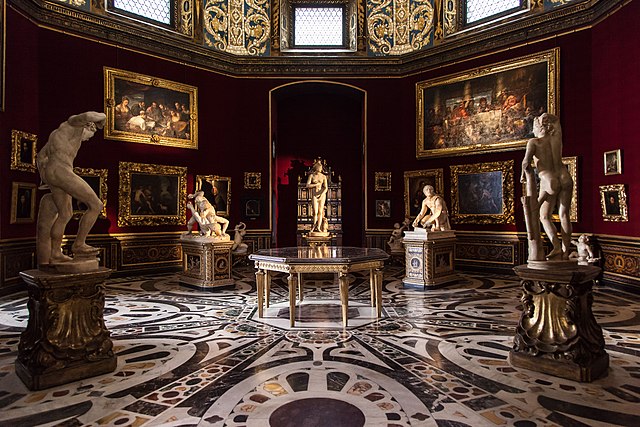
Two centuries later, this feeling of wonderment persists. In 2018, a visitor to the legendary Uffizi Gallery of Florence collapsed when viewing a painting in the gallery. He was saved by a defibrillator (installed only the day before) and doctors who were visiting the gallery at the same time. Although it was blocked arteries which caused his heart attack, the sudden emotion felt by Olmastroni may have triggered it.
“I approached Botticelli’s The Birth of Venus, and while I was admiring that wonder, my memories vanish,” Olmastroni told the BBC.
Between 10 and 20 tourists are afflicted by the syndrome every year. It can cause dizziness, palpitations, and even hallucinations.
Although Jerusalem is a religious landmark rather than an artistic one, some of its visitors also experience similar symptoms. They sometimes feel intense spiritual connections, and even have hallucinations in which they believe they are biblical figures. It’s called Jerusalem syndrome, and scientists don’t quite agree whether it exists or not.
Paris syndrome also manifests as a range of symptoms that may include dizziness, nausea, and anxiety. Unlike the other two travelers’ syndromes, Paris syndrome doesn’t seem to come from being overwhelmed by positive emotions. It arises from a feeling of extreme disappointment when the city does not meet expectations.
It was described as early as 1991, by Hiroaki Ota, a Japanese psychiatrist working at the Sainte-Anne Hospital Center in France. Some doctors have classified it as a severe culture shock. A number of factors may contribute to visitors developing Paris syndrome. A language barrier and hostility from French-speakers may intensify the negative experiences faced by visitors. Travelling can also feel isolating. The exhaustion associated with travel, together with jet lag, can worsen the syndrome. The most important factor is the contrast between the idealized version of Paris seen in media and the real Paris.
Are only certain tourists susceptible to Paris syndrome?
Right now, it seems that the majority of sufferers of Paris syndrome are tourists from China and Japan. A major reason could be the romantic portrayals of Paris in East Asian media. A protagonist may shop in Parisian boutiques, sit at stylish cafés, or attend fashion shows to exhibit their sophistication and glamour. The city is used in advertisements to signal luxury. These portrayals often emphasize an idealized version of the city, so people who visit may find the real-life Paris to be quite different from what they imagined.
Additionally, Asian tourists often experience severe jet lag due to the large time difference, and culture shock when comparing Parisian attitudes to their more polite social norms.
Nonetheless, experiencing Paris syndrome isn’t unique to any particular group. It’s important to remember that all media is trying to convey a particular narrative. At the end of the day, a city is just a city. Its magic or beauty depends on what the visitor is able to make of it.
References
Copyright @smorescience. All rights reserved. Do not copy, cite, publish, or distribute this content without permission.
SUBSCRIBE TO OUR NEWSLETTER
.......... ..........Subscribe to our mailing list to get updates to your email inbox.
Monthly Newsletter