In scientific exploration and discovery, there’s a transformative movement afoot, reshaping how knowledge is gathered, analyzed, and applied. This movement doesn’t just belong to the lab-coated professionals or those with a string of letters after their names. It’s about the everyday person, the curious, the observant, and the passionate. This is the world of citizen science, a place where anyone and everyone can be a scientist.
What exactly is a citizen scientist? Citizen science is the practice of public participation and collaboration in scientific research to increase scientific knowledge. Through activities like data collection, analysis, and reporting, volunteers from the general public contribute to real scientific endeavors. These projects can range from tracking bird migrations and monitoring water quality to observing celestial events and logging the spread of diseases.
The beauty of citizen science lies in its accessibility. With the advent of technology, especially the internet and smartphones, participating in scientific research has always been challenging. Platforms like Zooniverse or iNaturalist offer a plethora of projects that require nothing more than a keen eye and a device connected to the internet. This democratization of science accelerates data collection and fosters a deeper connection between the public and the scientific community.

However, the benefits of citizen science extend beyond data collection. It’s a powerful educational tool, offering hands-on experience with the scientific method and encouraging critical thinking, problem-solving, and a deeper appreciation for the natural world. Studies have shown that participants in citizen science projects often feel more engaged with the scientific process and are more likely to develop a lasting interest in scientific topics.
Moreover, citizen science can potentially bridge the gap between science and society. It makes science more accessible and understandable to the public, demystifying complex concepts and debunking myths. This increased public understanding is crucial in an era where scientific literacy can significantly impact decision-making, both on a personal and a societal level.
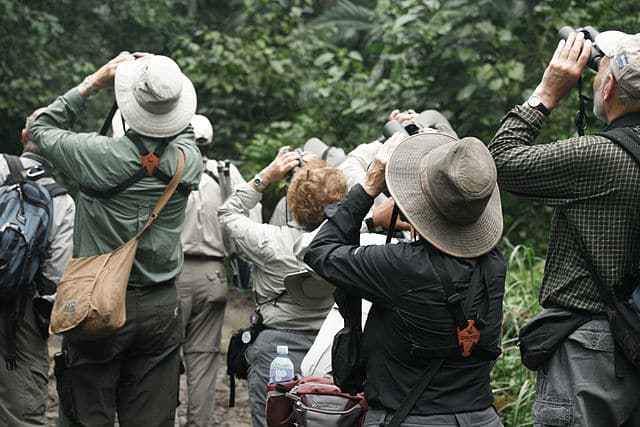
The contributions of citizen scientists have been recognized and valued by professionals in various fields. For instance, data collected by birdwatchers have been instrumental in tracking avian population trends, leading to significant conservation efforts. Similarly, amateur astronomers have discovered new celestial bodies, contributing to our understanding of the universe.
Yet, the journey of citizen science is not without its challenges. Concerns about data quality and reliability often arise, given the varied expertise of contributors. However, many projects address these issues through rigorous training materials, validation processes, and by combining citizen-collected data with professional research to ensure accuracy.
The role of citizen scientists is evolving, too. From passive data collectors, they are becoming active participants in problem-solving and innovation. Crowdsourcing ideas for environmental conservation, health, and urban planning are just a few areas where citizen scientists are making their mark.
The impact of citizen science is undeniable. It enriches scientific research and empowers individuals, fostering a society that values and understands the importance of science. As more people join this movement, the boundary between scientist and citizen blurs, creating a world where science is by the people, for the people.

In conclusion, the term “citizen scientist” embodies a powerful concept: that anyone, regardless of their background or education, can contribute to scientific knowledge. It’s a call to action, an invitation to look at the world with curiosity and wonder, and to play an active role in understanding and preserving it. As we move forward, the contributions of citizen scientists will undoubtedly continue to grow, highlighting the critical role that public engagement plays in the future of science.
This movement isn’t just about collecting data; it’s about building a community, one where knowledge is open, shared, and utilized for the greater good. So, the next time you gaze up at the stars, watch birds in your backyard, or notice patterns in the weather, remember that you, too, can be a scientist. In the vast and varied landscape of citizen science, every observation counts, and every participant has the power to make a difference.
FAQs:
1.What is citizen science?
Citizen science is the participation of the public in science and research. It is an open and inclusive approach so that citizens are actively involved in research.
2. Who is a mentor?
A mentor is a person who can support, advise, and guide you. They typically take the time to get to know you and the challenges you’re facing and then use their understanding and personal experience to help you improve.
Contributors