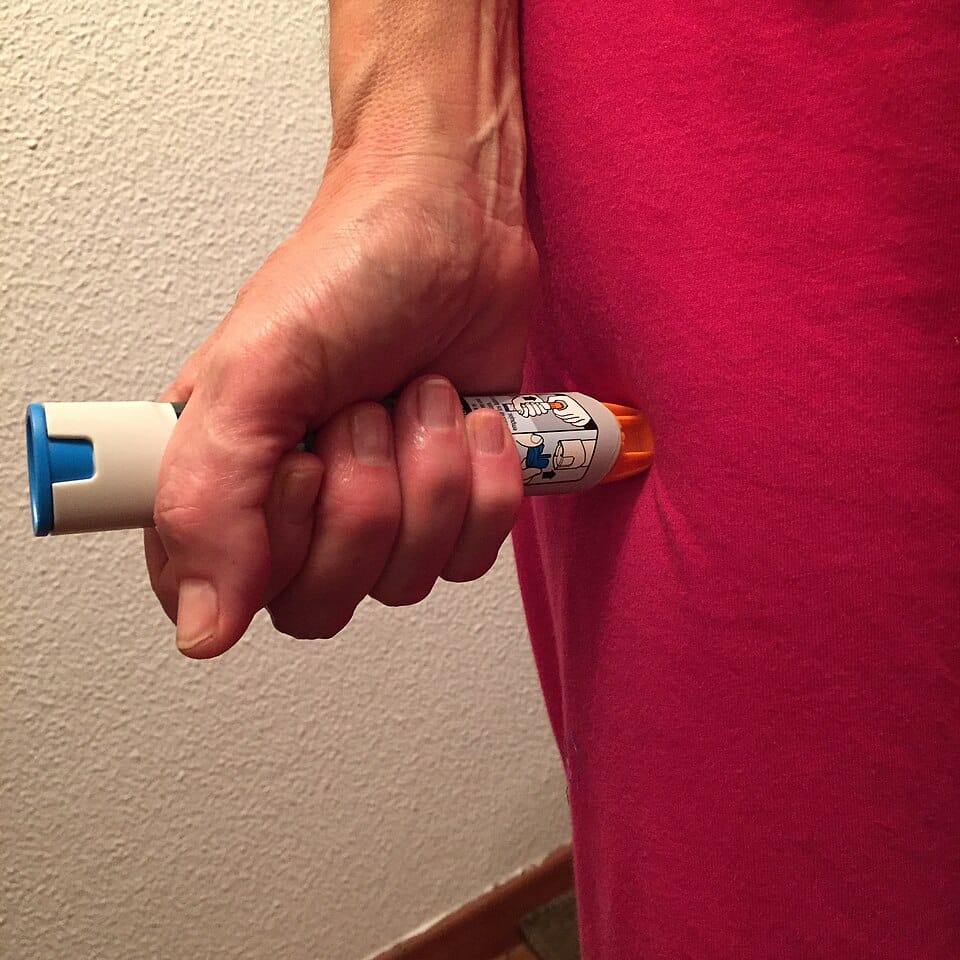
Our body relies on glucose for energy. Usually, the pancreas produces insulin, a hormone that helps glucose move from the bloodstream into cells. However, when the body is unable to produce enough insulin, blood glucose levels become high. This condition is known as diabetes.
There are three types of diabetes:
- Type 1 Diabetes: In this, the immune system mistakenly attacks and destroys the insulin-producing beta cells in the pancreas.
- Type 2 Diabetes: It occurs due to insulin resistance in the body. As a result, the pancreas produces more insulin. Over time, the beta cells are unable to produce enough insulin to maintain normal glucose levels.
- Gestational Diabetes: It develops during pregnancy due to hormonal and metabolic changes in the body, which make it difficult for the body to use insulin effectively.
Common symptoms of diabetes are:
- Frequent urination
- Increased thirst
- Increased hunger
- Unexplained weight loss
- Fatigue or weakness
- Blurred vision
- Slow-healing cuts or wounds
- Frequent infections
- Tingling or numbness in the hands or feet
- Dry or itchy skin
If left untreated, this can damage blood vessels, nerves, kidneys, eyes, and other organs over time. That is why early diagnosis and treatment are crucial. Here is where ELISA kits come into play.
What is ELISA?
ELISA stands for enzyme-linked immunosorbent assay. It is a plate-based technique used to detect and quantify the presence of an analyte in a biological sample. The analyte can be a protein, hormone, antibody, peptide, cytokine, or other biomolecule.
It relies on antibody-antigen interactions. This technique is known for:
- High sensitivity
- High specificity
- Quantitative capability
- Compatibilty Versatility
- Affordability
- Fast results
In diabetes research, ELISA immunoassay kit components and functions are designed to work together to measure biomarkers such as:
- Insulin
- C-peptide
- Glucagon
- Adiponectin
- Leptin
- Tumor necrosis factor-alpha (TNF-α)
- Interleukin-6 (IL-6)
- Glycated proteins and other metabolic biomarkers
Researchers investigate insulin signaling, pancreatic beta-cell function, inflammation, insulin resistance, and other mechanisms associated with diabetes using ELISA kits.
Components of ELISA Kits for Diabetes Research
Although the components of ELISA kits can vary with the manufacturer and assay format, most ELISA kits contain:
- Capture Antibody: It is designed to bind specifically to the target biomarker in the sample. In a diabetes ELISA kit, the capture antibody is usually the one that binds insulin present in the sample. It helps separate the target molecule from other substances.
- Detection Antibody: This antibody binds to another region of the target molecule. In a sandwich ELISA, the target is captured between capture and detection antibodies. These antibodies help produce the signal that indicates the presence and amount of the target biomarker. It can be directly enzyme-conjugated or detected using another labeled reagent.
- Enzyme Conjugate: It is responsible for producing a measurable signal. Common examples include HRP and AP. When a suitable substrate is added, the enzyme catalyzes a reaction that produces a color change. The intensity of the signal is directly proportional to the target molecule.
- Standards or Reference Materials: These are pre-set standards for the concentration of the target analyte. Researchers compare these standards to the results and construct a curve, which further helps estimate the concentration of the biomarker.
- Sample Diluent: It helps prepare biological samples for analysis. It can reduce potential interference from components within serum, plasma, or other sample types.
- Wash Buffer: It is used between different steps of the assay to remove unbounded antibodies, proteins, enzymes, and other materials. It helps reduce background signal and provide accurate results.
- Substrate Solution: The substrate reacts with the enzyme associated with the detection system. In HRP-based assays, tetramethylbenzidine (TMB) is commonly used as a chromogenic substrate. The produced signal is measured using a microplate reader.
- Stop Solution: It is used to halt or terminate the enzymatic reaction.
- Microplate: Most ELISA kits use a 96-well microtiter plate, which helps researchers analyze multiple standards and samples in the same experiment.
Applications of ELISA in Diabetes Research
- Study Insulin Resistance: Researchers can measure insulin and related metabolic biomarkers to investigate changes in insulin sensitivity and glucose regulation.
- Investigate Pancreatic Beta-Cell Function: Insulin and C-peptide measurements can help researchers evaluate pancreatic beta-cell activity in experimental models.
- Understand Diabetes-Associated Inflammation: Cytokines such as IL-6 and TNF-α can be investigated to understand inflammatory pathways associated with metabolic dysfunction.
- Evaluate Potential Treatments: ELISA assays can help researchers compare biomarker levels before and after experimental interventions. This further helps support investigations into potential therapeutic approaches.
Conclusion
Now that you know what the components and functions of ELISA kits are in diabetes research, what are you waiting for? Find a trusted supplier who can provide you with high-quality ELISA kits to support your experiments and ensure you get reliable and reproducible results.
Copyright @smorescience. All rights reserved. Do not copy, cite, publish, or distribute this content without permission.
SUBSCRIBE TO OUR NEWSLETTER
.......... ..........Subscribe to our mailing list to get updates to your email inbox.
Monthly Newsletter