Algae are a group of organisms that can photosynthesize but are not exactly plants. They are eukaryotic, which means that their genetic material is organized within a nucleus. In this blog, we will explore the scientific name for algae and learn more about their general features.
The scientific name for algae
Algae is an umbrella term for eukaryotic, photosynthetic organisms that are not plants. Generally, algae, along with seaweeds, form the group phycophyta (Greek: phyco-seaweed; phyta-plant) which can be considered as the scientific name for algae. In fact, seaweeds like giant kelp are actually the most complex marine algae. These can grow up to 200 ft (60 m) in length.
Different types of algae have different scientific names. We can classify algae into various groups called divisions based on various features of the algae in question. To top it off, we are going to check out examples of algae under those divisions.
We can divide algae into seven divisions based on features like color (green, brown, and red algae), the type of nutrition (euglenoids that can both photosynthesize and can be a predator), morphology, etc. The divisions are as follows:
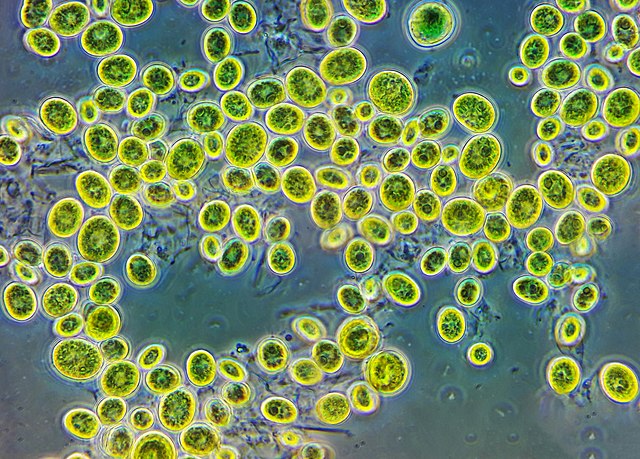
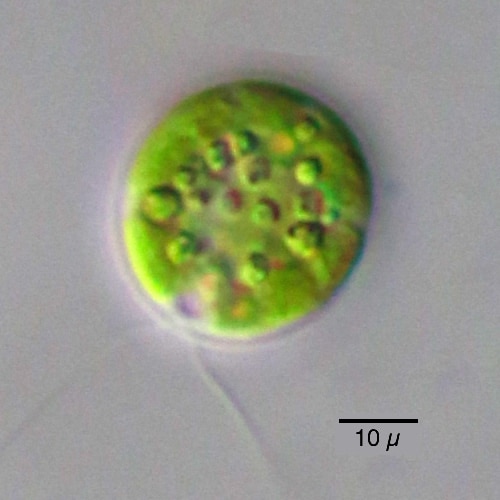
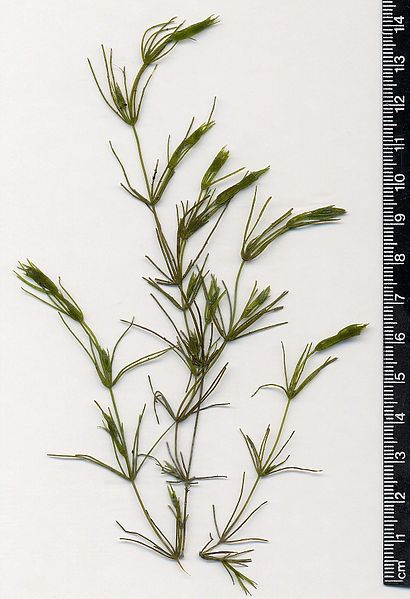
Division Chlorophyta: As the name suggests, Chlorophyta possess green chlorophyll and carotenoid pigments. They have starch stored inside chloroplasts (a structure that stores chlorophyll inside the algae). They might have flagella, which is a whip-like structure that helps a cell propel in its environment. Examples are Chlamydomonas, Chlorella, filamentous Spirogyra, colony-forming Volvox.
Division Euglenophyta: Euglenophyta consists of the organism Euglena, which acts as a bridging organism between plants and animals. This is because Euglena can photosynthesize, but unlike plants, they can survive on a heterotrophic diet (a diet consisting of nutrition taken from other sources). They have flagella, which they use to move from one place to another.
Division Chrysophyta: This division consists of golden and yellow-green algae. Apart from chlorophyll, they possess carotenoids known as fucoxanthin, which imparts a golden-brown color to the algae. One of the most celebrated members of this group is diatom. Diatoms are photosynthetic and help sustain marine food chains. They often develop an outer covering out of silica. The fossilized remains of this outer shell are known as diatomaceous earth. It is used in toothpaste. It is a potent insecticide and is added to animal feed to prevent caking.
Diatomaceous earth under a microscope, Credit: Wikimedia/Doc. RNDr. Josef Reischig, CSc.
Division Pyrrophyta: Pigmented marine algae are generally placed under Pyrrophyta. Pyrrophytes generally comprise dinoflagellates which are mostly heterotrophic than photosynthetic. A species under this classification is Gonyaulax. These algae produce a toxin that can kill marine lifeforms. They impart a red color to the region where they grow, a phenomenon known as red tide. Some species form plates out of cellulose that can be viewed as a kind of armor.
Division Rhodophyta: Rhodophyta translates into “red algae”. Unlike other forms of algae, rhodophytes lack centrioles (a structure that helps during the formation of new cells) and flagella. Red algae provide carrageenan, a substance used as a food thickener. Examples of red algae are Gracilaria, Irish moss (Chondrus crispus), dulse (Palmaria palmata), etc.
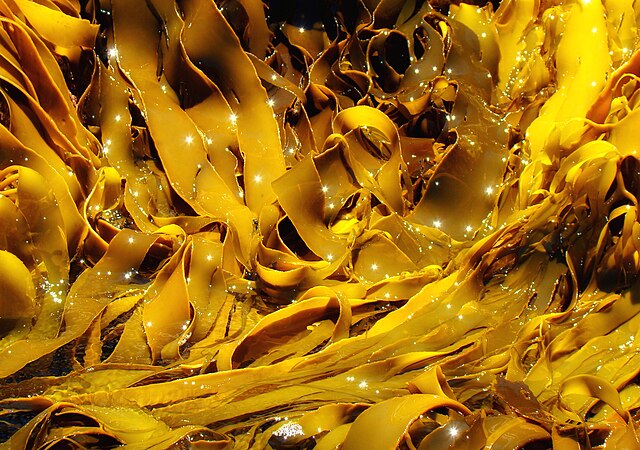
Division Phaeophyta: Brown and yellow-colored algae are members of this group. Giant kelps (Macrocystis), which form underwater forests, are part of this group. They can get as tall as 200ft. Earlier, kelp was burnt to produce soda ash.
Giant kelps are algae too, Credit: Wikimedia/Bjørn Christian Tørrissen
General features of algae
Algae are photosynthetic in nature.
They can be both unicellular and multicellular.
They can reproduce both sexually and asexually.
Unlike plants, algae have structures needed for locomotion.
They are found in moist areas or watery environments.
Sometimes, they are anchored with root-like structures called rhizoids.
Bonus: Blue-green algae
Blue-green algae is a misnomer because it actually consists of bacteria that can photosynthesize. They are usually found in stagnant lakes and paddy fields. Apart from being an important producer of oxygen, they can also convert nitrogen in air into compounds that plants can absorb. Anabaena and Nostoc are two such algae.
Algae are one of the main producers in the ecosystem. Ranging from biofuels to potent vectors of balanced nutrition, algae has it all covered. Without algae, more specifically, agar-agar and carrageenan, we would have never had such good ice creams or would have ever grown micro-organisms well enough for study. Also, they produce most of the oxygen we breathe.
Copyright @smorescience. All rights reserved. Do not copy, cite, publish, or distribute this content without permission.
Join 20,000+ parents and educators
To get the FREE science newsletter in your inbox!
SUBSCRIBE TO OUR NEWSLETTER
.......... ..........
Subscribe to our mailing list to get updates to your email inbox.