Inspiration doesn’t always come from the big leagues; sometimes it’s the intentions that inspire. The Republic of Palau is a scenic archipelago in the Pacific Ocean with spectacular reefs, home to a population akin to that of a mid-sized American suburb. The country has asked the United Nations to review the harm caused by nicotine, a highly addictive substance found in tobacco and vaping products, and to add it to a list of substances that the organization regulates, such as narcotics and psychotropic drugs like amphetamine.
The War against Nicotine
With over a billion people depending on nicotine, unhealthily for the most part, Palau seems to have a strong case. Notably, the country banned vapes from being imported, sold, or used in 2023. “This is about our children,” said the nation’s first lady Valerie Whipps, who is chair of the Coalition for Tobacco Free Palau, in a press release. “A new generation of young people across the Pacific are being targeted by products that have never been critically reviewed under UN law.”
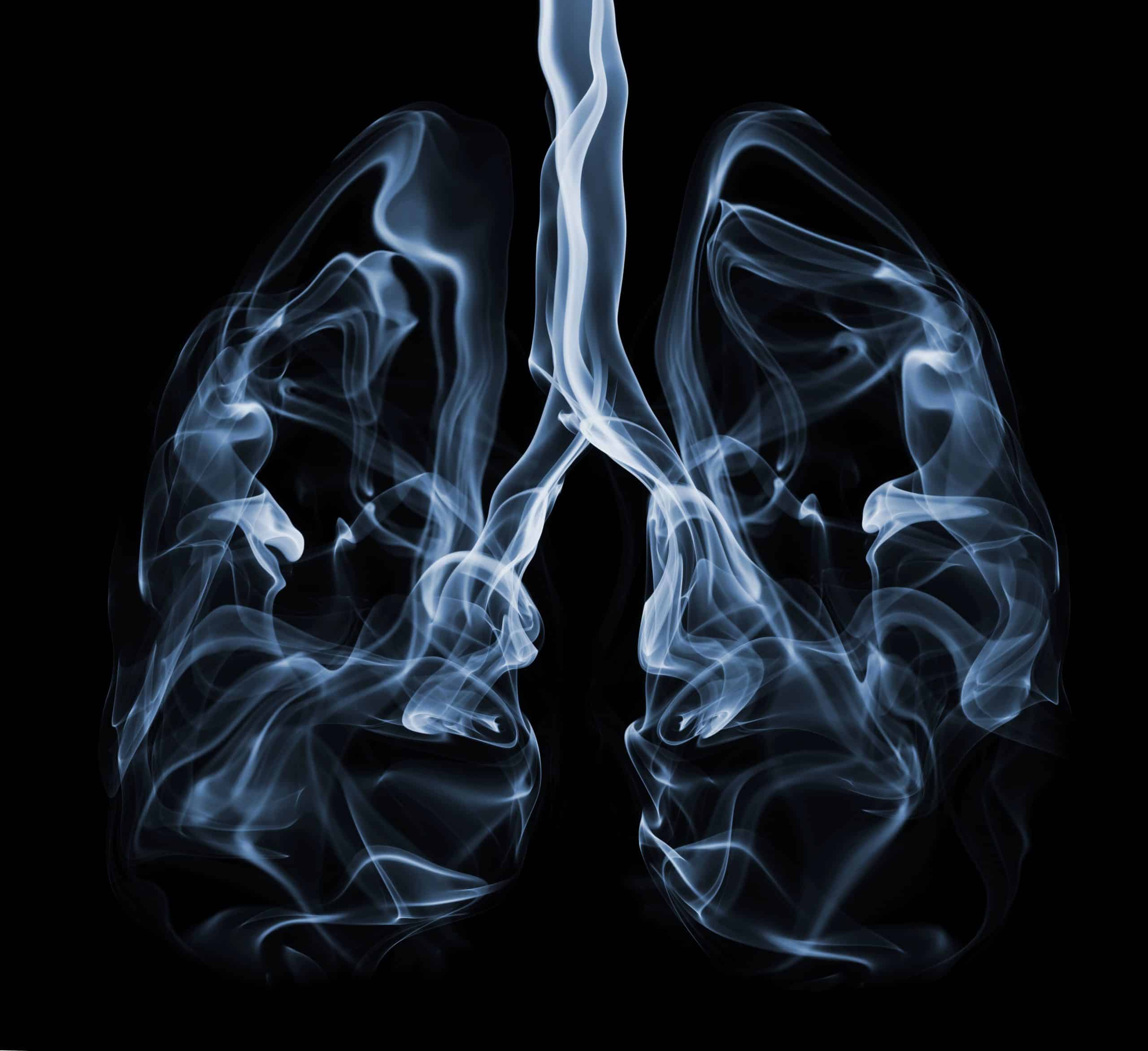
Around 100 million people use e-cigarettes, colloquially called vapes, as per data from the World Health Organization. Smoking increases the risk of developing heart disease as well as many cancers. Smokers are more prone to having strokes. Tobacco smoking kills more than 7 million people each year, including 1.6 million non-smokers who are exposed to second-hand smoke, or smoke “passively” when they inhale the smoke from the burning end of a cigarette and exhaled smoke. In fact, secondhand smoke increases the chance of heart disease by 20–30% in non-smokers.
If nicotine is added to the list, it would effectively make it illegal to sell products containing nicotine that aren’t for medicinal purposes, says Renee Bittoun, a nicotine-treatment specialist at Woolcock Institute of Medical Research, Sydney, Australia. However, she doubts that nicotine will be added to the list, because that would draw heavy backlash from tobacco companies.
Regulating Nicotine over Cigarettes
Although nicotine itself doesn’t cause cancer, it is highly addictive, and Palau says that global efforts must be directed against the dangers of nicotine addiction rather than just regulating tobacco products. The loophole allows the sale of tobacco-free products such as vapes and nicotine pouches in most countries. In the past decade, vapes have become a buzz among young people. In Palau itself, every 3 out of 10 adolescents aged between 9 and 20 years had used vapes on average. Vaping is highly addictive and can cause lung injuries and increase the risk of having cancer.
K. Michael Cummings, a tobacco-control researcher at the Medical University of South Carolina’s Hollings Cancer Center in Charleston, says that countries decide how to regulate cigarettes, vapes and other products containing nicotine, but not nicotine itself. For example, the regulations differ widely across the world for how nicotine pouches— small sachets placed between the gum and lip that release nicotine– are sold and packaged. Age limits on who can purchase these products and the health warnings displayed also vary. There is also no consensus on how vapes are treated; some treat them as tobacco products while others treat them as consumer products.
Adding nicotine to the UN Convention on Psychotropic Substances, which aims to prevent harms caused by narcotics and psychoactive drugs but keep them available for research and medical uses, can lay some consistent protocols to treat the substance across the world.
What should we expect?
Following Palau’s ambitious request to add nicotine to the UN’s schedule, the drug will undergo a medical and scientific assessment that will test how likely it is to be abused and weigh the negative effects against the usefulness of nicotine as a medicine. The tests will be performed by the WHO Expert Committee on Drug Dependence, after which the 53 member states will vote on whether nicotine should be added to the list. The vote is expected to take place in March 2028.
If the UN does what Palau has suggested, it will become important to be very vigilant about how nicotine is used in medical cases. For instance, nicotine replacement therapy, which is mostly used by people who are trying to quit smoking and comes as patches, lozenges, or gums, must be available on the market.
Copyright @smorescience. All rights reserved. Do not copy, cite, publish, or distribute this content without permission.
SUBSCRIBE TO OUR NEWSLETTER
.......... ..........Subscribe to our mailing list to get updates to your email inbox.
Monthly Newsletter