Parents stress about a ton of things when raising kids, like diet, screen time, and whether their kids are socialising enough. But the real silent threat nobody thinks about? The heat.
Turns out, they probably should be. Researchers looked at kids in six countries across the Middle East and Africa and found that when temperatures regularly climbed above 90°F (about 32°C) , children were slower to hit basic developmental milestones. We’re talking about learning to read, physical coordination, even how they interact with other kids.
2024 was the hottest year on record, and the planet is only getting warmer. We often think about climate change affecting the natural world. Forests and grasslands are changing, and so are the seas. Climate change isn’t just external though. Our very human bodies are being deeply affected. Millions of children might be experiencing invisible setbacks that doctors and parents might not even be screening for.
How does temperature affect childhood development?
Excessive heat and its effect on the brain is only just beginning to be studied. What the researchers discovered was the variety of ways in which heating can affect childhood development. Heat can cause very real physical problems: chronic dehydration, swelling in the body and brain, and disrupted sleep. It can even overload the body’s sensory system.
Combine this with the other, indirect effects of heat. Crop loss and contamination can affect nutrition. Disease is more likely to spread too. All of this affects bodily health.
Young children are particularly vulnerable to changing temperatures. Kids can’t regulate temperatures or sweat effectively. They also rely on adults to tell them to drink water or seek shade, and don’t usually do it themselves.
Researchers estimate that one-third of children around the world are exposed to heat waves, and almost every child is already experiencing some effect of climate change.
How did researchers discover this link?
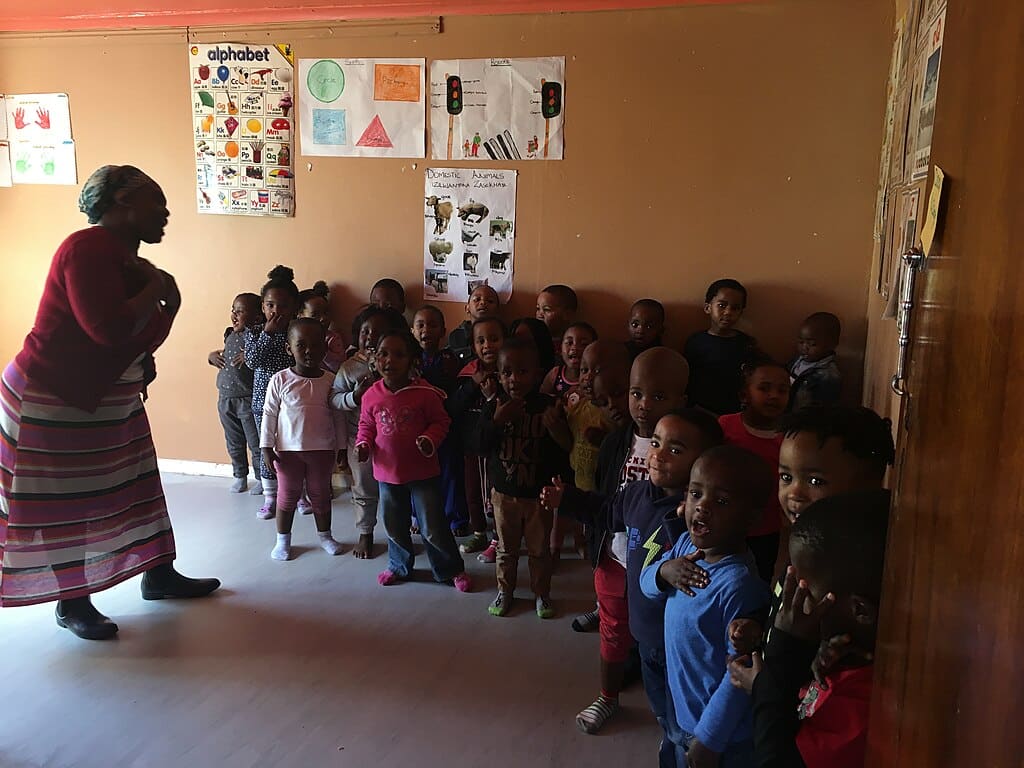
Researchers analyzed a lot of data for this study. They looked at 19,607 children aged three and four across six countries: Georgia, The Gambia, Madagascar, Malawi, Sierra Leone, and the State of Palestine.
This huge data set came from the United Nations Children’s Fund (UNICEF). Each child’s location and lifestyle (think how many members of the family, wealth, access to healthcare) was measured.
Scientists also used satellite data to track temperatures. They wanted to know exactly how hot it was where each kid lived, from the time they were born until the survey happened.
Parents answered ten questions about what their kids could do. Stuff like: Can your child recognize some letters? Count to ten? Play nicely with other kids? Follow directions? If a kid could do at least half the things in each category, researchers counted them as developing normally.
Even in the same country, kids who grew up in hotter areas (above 90°F regularly) were behind kids in cooler areas. And this wasn’t just because hot places tend to be poorer. Even when scientists accounted for poverty and other factors, the heat still made a difference.
Why does this matter?
“Because early development lays the foundation for lifelong learning, physical and mental health, and overall well-being, these findings should alert researchers, policymakers, and practitioners to the urgent need to protect children’s development in a warming world.”, lead researcher Jorge Cuartas tells News Medical.
As the planet heats up, millions of kids could fall behind developmentally. Understanding this connection means we can help: better access to cooling centers, shaded playgrounds, clean water, and adjusted school schedules during heat waves. Small changes could protect developing brains.
Copyright @smorescience. All rights reserved. Do not copy, cite, publish, or distribute this content without permission.
SUBSCRIBE TO OUR NEWSLETTER
.......... ..........Subscribe to our mailing list to get updates to your email inbox.
Monthly Newsletter