In recent years, the popularity of microgreens and sprouts has skyrocketed in the realms of health-conscious eaters and gourmet chefs alike. While these tiny greens are often used interchangeably in culinary contexts, they have distinct characteristics, nutritional profiles, and cultivation methods that set them apart. This article aims to clear up the differences between microgreens and sprouts, backed by scientific insights, to help you make informed choices in your diet and cooking.
What are sprouts?
Sprouts are the initial growths of seeds. When seeds such as beans, alfalfa, or broccoli are soaked in water, they begin to germinate . This process usually takes a few days, after which the sprouted seeds are ready to be eaten. Sprouts are consumed whole, including the seed, root, and shoot. They are known for their crisp texture and slightly earthy flavor. Sprouts can offer a concentrated source of vitamins and enzymes.
What are microgreens?
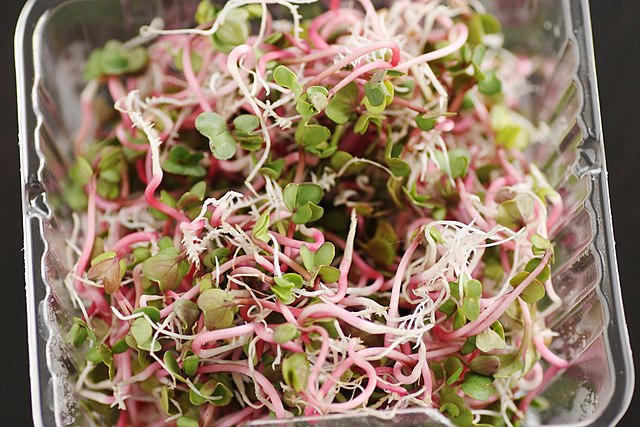
Microgreens are young vegetable greens harvested just after the cotyledon leaves have developed and occasionally with one set of true leaves. These are slightly older than sprouts, typically harvested 7-21 days after germination. Unlike sprouts, which only need water, microgreens require soil or a soil substitute for growth. They are celebrated for their intense flavors and vibrant colors. Research has found that microgreens contain higher concentrations of vitamins and carotenoids than their mature plant counterparts.
microgreens, Credit; Wikimedia/Stacy Spensley
Nutritional showdown: Microgreens vs sprouts
When it comes to nutritional value, both microgreens and sprouts pack a punch in different ways. Microgreens are rich in vitamins, minerals , and antioxidants . A study by the USDA reported that red cabbage microgreens, for instance, have a high concentration of vitamin C and vitamin K. Sprouts, while also nutritious, have a higher water content, which may dilute some nutrients. However, they are an excellent source of digestive enzymes and certain B vitamins.
Safety is a crucial factor when incorporating these greens into your diet. Sprouts have been associated with foodborne illnesses due to the warm, moist conditions required for their growth, which can also foster harmful bacteria like Salmonella and E. coli . The CDC advises proper handling and thorough cooking to reduce risks. Microgreens grown in soil are less susceptible to these issues, though they still require careful washing before consumption.
Cafe Ohlone brunch, Credit: Wikimedia/ Σ
Culinary uses and flavors
In the kitchen, microgreens and sprouts offer unique flavors and textures. Microgreens have a more intense flavor profile and are used as garnishes, in salads, and to enhance the taste of various dishes. With their milder taste, sprouts are often added to sandwiches, wraps, and salads for an extra crunch.
Comparing the cost and availability, sprouts are generally more affordable and readily available in grocery stores. While gaining popularity, microgreens can still be pricier and might not be as easily found in regular supermarkets.
For those interested in growing their own, both microgreens and sprouts are excellent candidates for home gardening. Sprouts require just a jar and some water, making them a simple and low-cost option. Microgreens need a shallow tray, soil, and a sunny spot or grow light, but they are relatively easy to cultivate at home.
Whether it’s the nutrient-packed microgreen or the easy-to-grow sprout, incorporating these greens into your diet can add a burst of flavor and nutrition. By understanding their differences and benefits, you can choose which tiny greens suit your taste and lifestyle best.
Glossary
Germinate: The process by which a plant grows from a seed.
Cotyledon Leaves: The first set of leaves that appear on a plant after the seed germinates.
Carotenoids: Pigments found in plants responsible for red, yellow, and orange hues known for their antioxidant properties.
Antioxidants: Substances that can prevent or slow cell damage caused by free radicals.
Vitamins: Organic compounds an organism requires in small quantities for proper growth and health.
Minerals: Inorganic substances the body needs in small amounts for various functions, such as building strong bones and teeth.
Foodborne Illnesses: Illnesses caused by eating food contaminated with bacteria, viruses, parasites, or toxins.
Salmonella and E. coli: Types of bacteria that can cause foodborne illnesses.
Digestive Enzymes: Enzymes that aid in the digestion of food by breaking down its components.