Titanoboa exhibit from the Smithsonian National Museum of Natural History, showing the Titanoboa swallowing a crocodile. Credit: Wikimedia Commons/Ryan Quick
Imagine something so big that it could eat a crocodile whole. Well, this kind of animal used to live on Earth many years ago. Titanoboa was the biggest snake that has ever been seen. But everyone’s biggest question is, “Is Titanoboa still alive today?” Let’s go on a fun adventure to find out the truth about this huge snake!
Approximately 60 million years ago, Titanoboa actively slithered through the swamps and woods of what is now South America, boasting an astounding length of about 48 feet (14.6 meters). That is as long as a school bus. It weighed more than a small car. Its massive size allowed it to dominate its ecosystem, preying on unsuspecting creatures.
Is the Titanoboa Still Alive?
Titanoboa went extinct, just like a lot of other amazing animals that lived in the past. Scientists are still not sure what happened to Titanoboa. Even though it is thought that changes in the environment played a big part, there is still a lot of debate and study going on to find out exactly why it went extinct. When we look at past climates and ecosystems, we can learn more about the history of Earth and how changes in the world affect living things.
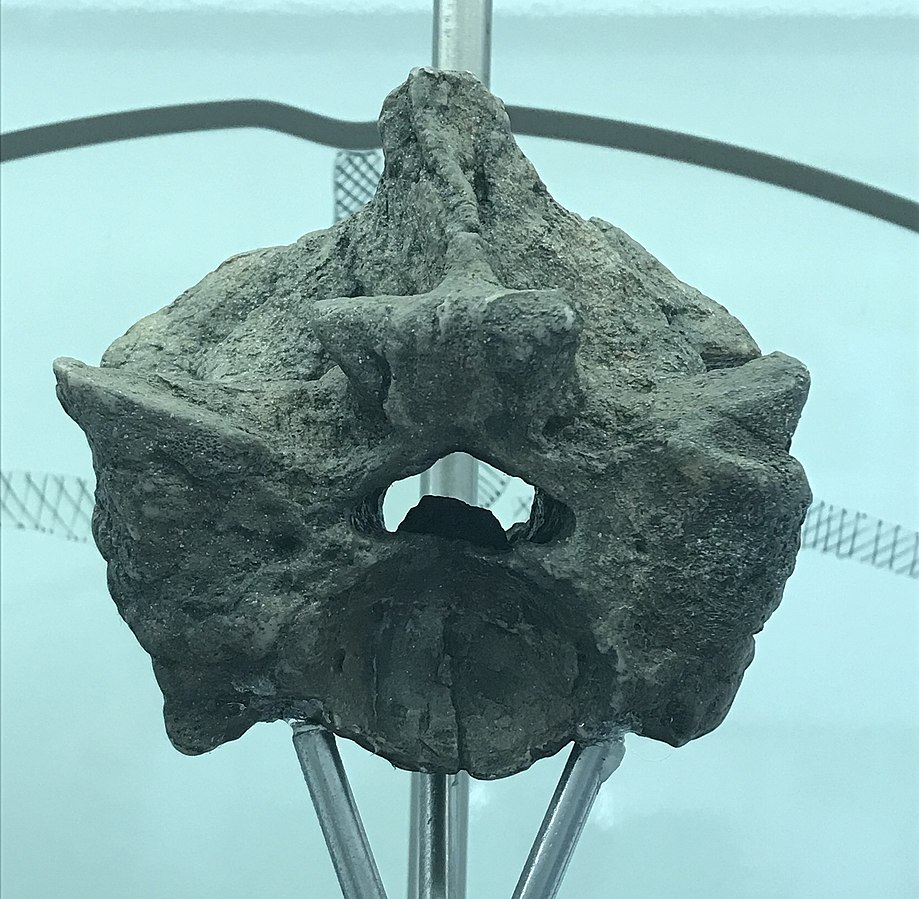
In 2009, a group of paleontologists in Colombia found the bones of Titanoboa. Scientists learned a lot about the snake’s size, body structure, and way of life from these amazing vertebrae. By examining the vertebrae , ribs, and teeth of Titanoboa, researchers were able to estimate its incredible size and understand its diet.
While Titanoboa may no longer exist, we can still learn about its characteristics by studying its modern-day relatives. The anaconda is the biggest snake in the world. It lives in the jungles of South America.
In terms of size, Titanoboa surpasses the anaconda, making it an apex predator of its time. Its enormous size allowed it to dominate the prehistoric ecosystem, where it held a top position in the food chain. The anaconda, while impressive, is relatively smaller in comparison, but still holds its own as a formidable predator in today’s rainforests. An adult green anaconda can be up to 29 feet (8.8 meters) long and weigh about 550 pounds (250 kilograms).
Even though Titanoboa isn’t alive anymore, its presence is still interesting and makes us think. This huge snake ruled the world in the past, leaving behind awe and wonder. By looking at fossils and comparing them to current snakes, we can see how different life on Earth is now, and how it has changed over time. While Titanoboa may no longer slither through the jungles, its memory lives on as a testament to the extraordinary creatures that once roamed Earth.
Flesch Grade Level: 8.4
Flesch Reading Ease: 63.5
Glossary
Paleontologists: Scientists who study and analyze fossils to learn about prehistoric life and the history of the Earth
Vertebrae: The individual bones that make up the vertebral column or backbone of an animal.
Apex Predator: A predator at the top of the food chain that has no natural predators of its own.