The matter of “probability” is something we came to associate with classrooms, scientific research, gambling, and other activities. But how many times have you found yourself waiting for a bus, only to see two of them arrive at the same time? Probabilities are a result of circumstances that can lead to something happening, and formulating odds based on past data.
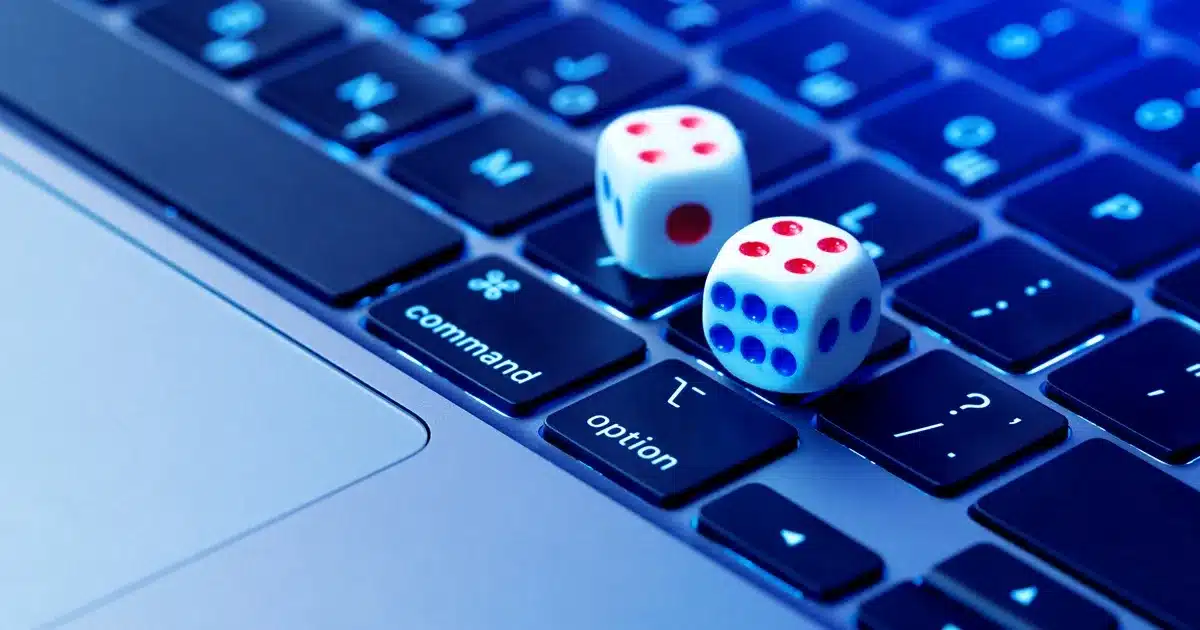
For example, when you spend time exploring new online slots, you get access to a modern gaming platform with many games, an intuitive interface and user-friendly navigation tools. Thanks to advances in technology, probabilities have become even more data-based and visible, helping us make informed decisions. It’s important to understand probabilities not just to play the slots but also to encourage better decision-making in real time.
What Exactly Is Probability?
Probability is something that we call the “math of uncertainty,” which virtually translates the feeling in our gut into measurable choices. We can find probability in most of our everyday actions, from buying insurance to choosing the fastest-moving checkout line.
With probabilities, you weigh the potential outcome of an event against the likelihood of it occurring. Humans rarely have all the info, so this helps you minimise risks while maximising benefits, without waiting for that perfect certainty to come up. We evaluate all the available evidence and then make a decision based on the chance of an outcome.
For example, we may choose to bring an umbrella with us because the forecast says there’s a 70% chance of rain. Or maybe we choose a less-traveled route because the live traffic updates show congestion on the usual route. With each decision, we balance the risk against potential benefits through a process that scientists call probabilistic thinking.
The Science Behind Probability
Probability is a branch of mathematics that measures exactly how likely it is for an event to occur. For the most part, probability is expressed as a percentage, but it can also be shown as a number between 0 and 1.
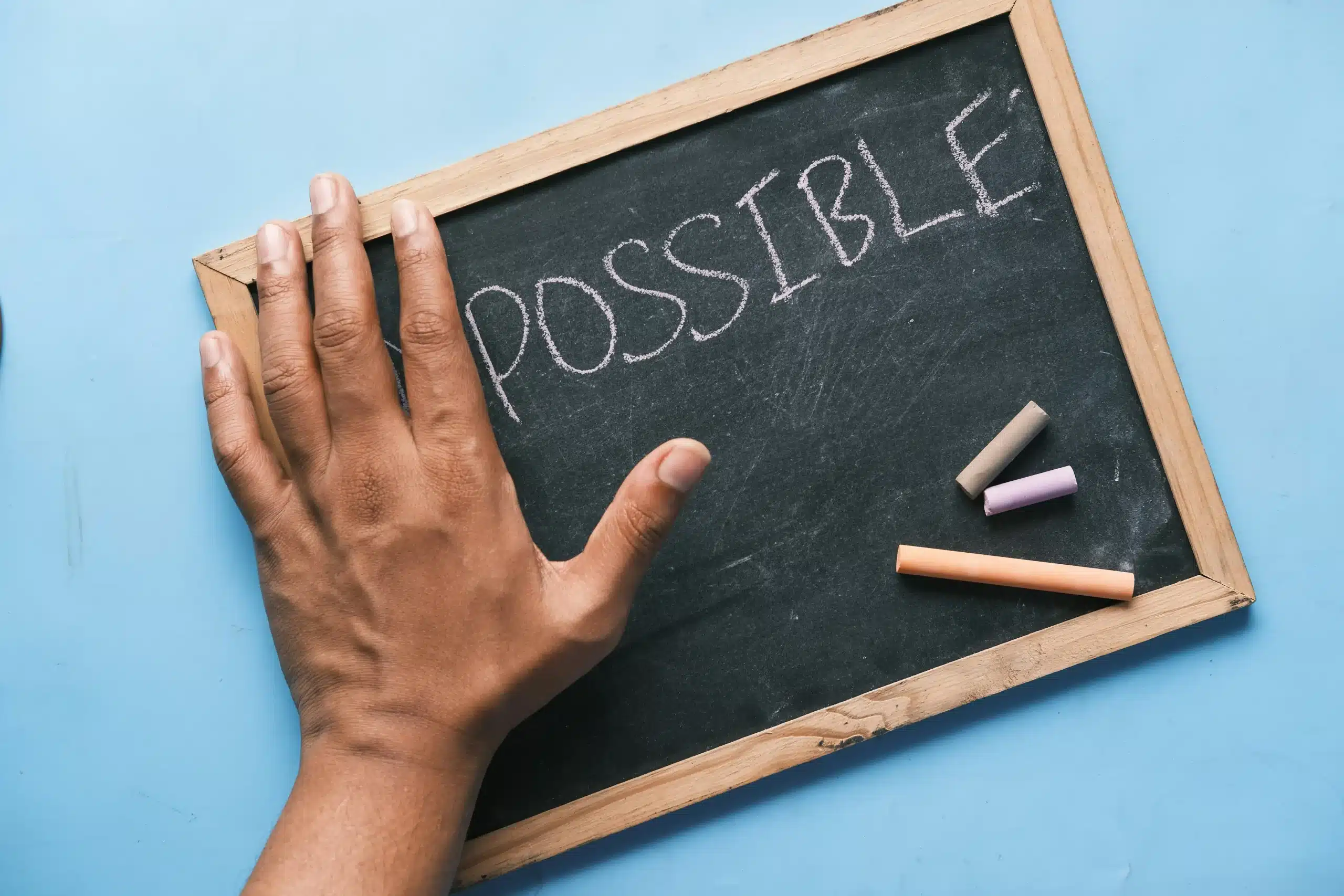
For example, zero probability means that an event is impossible, whereas a probability of 1 expresses certainty. Anything that falls between that is under a question mark.
Modern technology effectively applies probability through sophisticated algorithms and AI technology that analyses enormous amounts of data. Weather forecasts, sportsbooks, and recommendation systems all depend on probabilistic models to estimate an outcome. These algorithms don’t guarantee the results, but they offer informed predictions given the available information.
What We Use Probability for Every Day
Probability calculations make their way through a variety of our daily decisions as we weigh the risks and rewards. Here are the main areas where probability can influence our choices:
1. Risk Management
Without probability, many investors would be more inclined to avoid risky ventures entirely. With probability in the mix, we can calculate the expected value despite the risk. Whether you are buying insurance or betting on your favourite FIFA team, you’re estimating the likelihood of a different outcome. This lets you choose the one that has the most acceptable risk level.
2. Weather Planning
Weather forecasts use data such as humidity, temperature, wind direction, and other available info to predict snow, rain, or storms. If the weekend forecast says that there’s a 70% chance of rain, then we may decide to move an outdoor event indoors or postpone a hike.
You weigh the inconvenience of changing your plans or making adjustments based on the potential benefits.

3. Entertainment and Recreational Activities
Probability also influences how we approach recreational activities. For example, sportsbooks use past statistics and results, along with team data, to estimate the outcomes of a game.
Betting odds reflect that data, which influences whom we decide to back. Slots are also built on mathematical probability, with data such as RTP showing the outcome and payout potential over time. This lets us choose the most suitable game to play based on the potential reward.
4. Medical Decisions
Doctors frequently use statistical probabilities to evaluate the success rate of a treatment based on the patient’s progress. They look at data such as the risk of complications or the effectiveness of the prescriptions to make an informed treatment plan. Patients also use these probabilities to decide whether they should undergo vaccinations, screening, or elective procedures.
5. Financial Choices
Investors, banks, and financial institutions in general use probability to navigate the market uncertainties and assess the risk. For example, they could look at the probability of stocks fluctuating or loans being defaulted on to determine the risk of financially backing a business or a person. Individuals also use probability when comparing flexible mortgage rates or choosing where they want to deposit their savings.
Probability is more than fancy math that we learn in high school and forget about as we graduate. While the formulas are not as flashy, it influences countless of our choices every day. No prediction is perfect, but probability lets us approach uncertainty with a lot more confidence.
Copyright @smorescience. All rights reserved. Do not copy, cite, publish, or distribute this content without permission.
SUBSCRIBE TO OUR NEWSLETTER
.......... ..........Subscribe to our mailing list to get updates to your email inbox.
Monthly Newsletter