NASA just launched a new mission to Mars. But scientists are already setting their sights far beyond the Red Planet. For many astronomers, the ultimate goal of space exploration is to probe what lies beyond the bounds of our own solar system.
The problem is that Alpha Centauri, the next closest solar system, is simply too far for existing rockets to reach. Our neighboring solar system is 4.3 lightyears away. That’s more than 8,000 times the distance between the Earth and Pluto. NASA’s Voyager mission to Pluto took more than 10 years to reach the edge of our solar system. Even if it could continue on without running out of fuel, Voyager would take 80,000 years to reach Alpha Centauri.
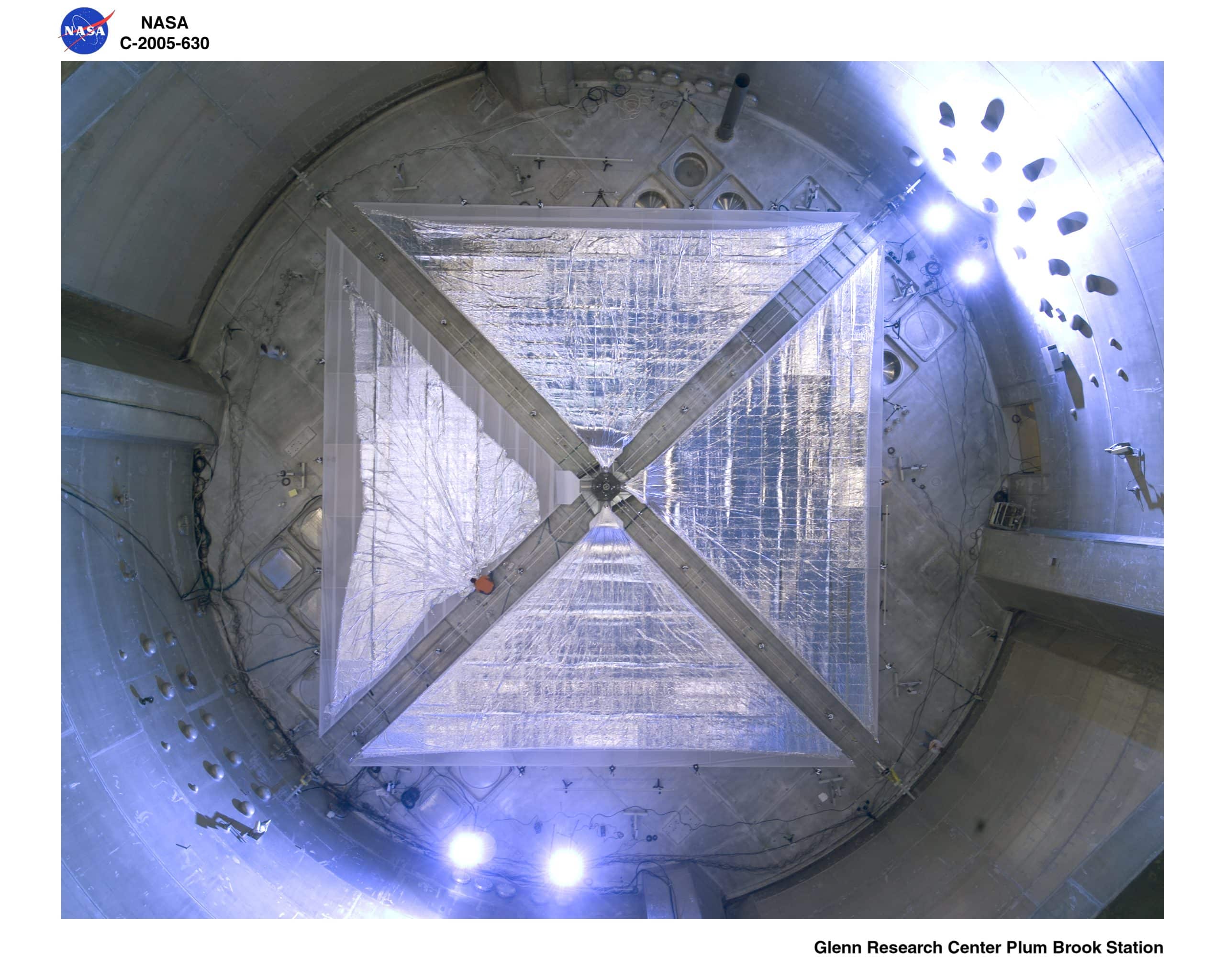
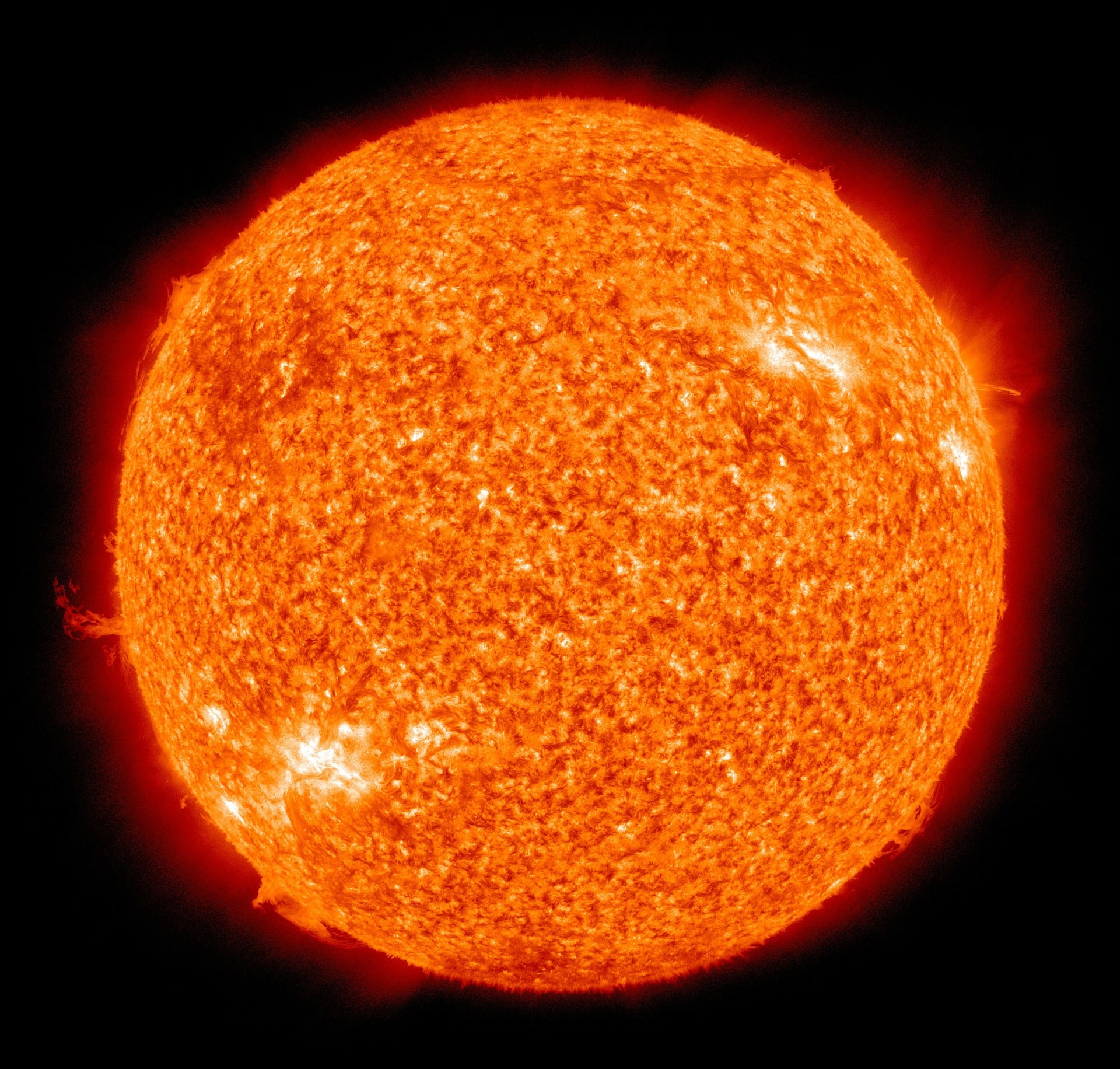
To make such a long space journey possible, scientists are thinking back to how humanity first crossed Earth’s oceans. Long before the invention of the modern engine, sailboats covered enormous distances using the power of wind alone. Astronomers believe that spaceships can be built like sailboats. They’ll simply use light from the sun instead of wind.
Just like the wind, light provides a small but significant push forward when captured by a sail. The more light that hits the sail, the faster a spacecraft can travel. Gather enough light, and a solar sail could accelerate to reach Pluto in under five years.
The potential for solar sails in space exploration has already been demonstrated. Japan’s space agency launched a solar sail in 2010 near Venus, and the spacecraft has been steadily flying back toward Earth ever since. Another solar sail was launched into Earth’s orbit last year and had enough power from light alone to overcome the planet’s gravity.

For now, though, there are still a number of practical issues with any plan to send solar sails to the far reaches of space. The material used to make solar sails, for example, is relatively heavy. The heavier the sail, the more light it takes to accelerate a spacecraft to high speeds. Using existing materials, a solar sail would have to be more than 60 miles across in order to travel to Alpha Centauri within 1,000 years.

In addition, a solar sail will only continue accelerating for as long as it receives light from the sun. But beyond Pluto, the sun’s rays are too weak to continue pushing a spacecraft forward. So, there needs to be another way to propel solar sails once they leave the solar system.
Astronomers and engineers are hard at work solving these challenges. Scientists recently developed an ultra-thin material that could cut the weight of future solar sails in half. They’ve also explored the idea of using lasers to supplement light from the sun. A laser based on Earth or Mars, for example, could continue to propel a solar sail long after it flies past the edge of our solar system.
Solar sails still have a long way to go before humanity can explore beyond the bounds of our own solar system. But with lighter solar sails and powerful lasers, some scientists believe that a spacecraft could cut the 8,000-year journey to Alpha Centauri to as few as 20 years.
Glossary
Alpha Centauri – The nearest solar system to our own, located 25 trillion miles away
Astronomers – Scientists who study space, stars, and planets beyond Earth
Solar sail – A sail that is pushed forward by light from the sun
Voyager – A NASA mission that sent the first satellites beyond the edge of our solar system
References
European Space Agency. 2020. Ultra-thin sail could speed journey to other solar systems. Phys.org.
https://phys.org/news/2020-05-ultra-thin-journey-star.html
Howell E. 2014. Ikaros: First successful solar sail. Space.com.
https://www.space.com/25800-ikaros-solar-sail.html.
Vejayan VVR. 2017. Solar sails could park spacecraft next to Proxima Centauri. Cosmos.
https://cosmosmagazine.com/physics/how-to-slow-spacecraft-travelling-20-the-speed-of-light/
Contributors
Copyright @smorescience. All rights reserved. Do not copy, cite, publish, or distribute this content without permission.
SUBSCRIBE TO OUR NEWSLETTER
.......... ..........Subscribe to our mailing list to get updates to your email inbox.
Monthly Newsletter