Every winter brings with it a surge in cases of colds, flu, and other respiratory illnesses as people spend more time indoors and stay out of the inclement weather. During this time, you are likely to see a lot of reminders about the benefits of taking vitamin C; you might even see commercials for supplements. But why is vitamin C good for the body – and will it stop you from getting a cold?
The common cold is an infectious disease that affects the upper respiratory tract, particularly the larynx, sinuses, nose, and throat. Colds are caused by rhinoviruses, adenoviruses, coronaviruses, and enteroviruses, and are extremely contagious. People who are infected start showing symptoms such as a sore throat, coughing, sneezing, runny nose, fever, and headaches within two days of being exposed.
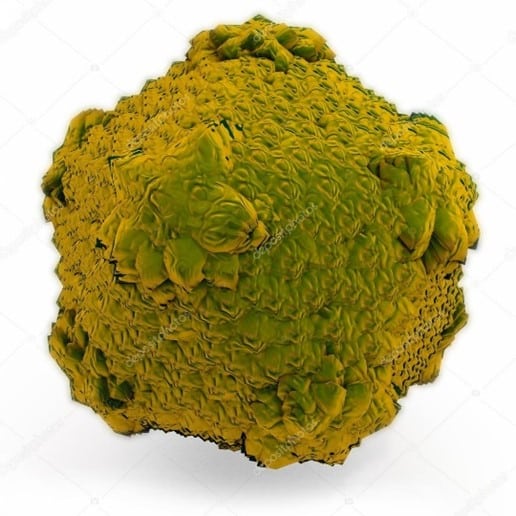
Rhinoviruses are the predominant cause of the common cold
Though the infection is usually self-limiting, meaning that it disappears on its own after seven to ten days, it has serious effects beyond illness. In the United States alone, colds cause more than 75 million doctors’ visits every year, costing more than $17 billion! Estimates also suggest that more than 300 million days of work and school are missed because of the cold, accounting for 40% of time lost from work and $25 billion every year.
The cold has been around for a long time – it even makes an appearance in the oldest known medical text, the Egyptian Ebers Papyrus, which dates back to before the 16th century BCE. Small wonder, then, that the medical community has been trying to find an effective cure for it for many decades.

Antivirals have been trialed, but they are either ineffective or have safety issues. Antibiotics are prescribed for colds all over the world, even though they have no effect, and this over-prescription may be leading to antibiotic resistance. Cold viruses are too numerous and mutate too quickly for a vaccine to work, so washing your hands and wearing a mask are the best ways to prevent an infection. Once you have a cold, the only medications that seem to help are those that manage symptoms, such as pain medication, nasal decongestants, and antihistamines.
The potential role of vitamin C gained popularity when Linus Pauling, winner of two Nobel Prizes, published a book in the 1970s called Vitamin C and the Common Cold. In it, he said that a gram a day of vitamin C would prevent catching a cold! Various trials in subsequent years concluded that the supplement had no effect at all.

So, is vitamin C a miracle cure – or completely useless?
The answer lies somewhere in between – and a recent study may have found it. A team of physicians conducted a meta-analysis, meaning they combined all the research trials that looked at the effect of vitamin C on the common cold.
While many of the studies found no difference between taking vitamin C and a placebo, the authors estimated that while taking a supplement did not reduce the duration of the illness for most people, it decreased severe symptoms by as much as 26%.
Interestingly, athletic people such as skiers, marathon runners, and soldiers can reduce the incidence of colds by 50% if they take vitamin C! That said, there are no benefits to taking vitamin C after you get sick – it is most effective if you take it regularly.

“The most important thing to know about vitamin C (ascorbic acid) is that it cannot be synthesized by human beings internally,” says Dr. Pronoy Roy, a Kolkata-based physician. “That means that we are entirely dependent on external sources which gain importance in our diet.”
According to most doctors, you should be able to get all the vitamin C your body needs by eating a balanced, varied diet. Taking too many supplements, on the other hand, could do more harm than good.
“There’s no need to rely solely on vitamin C pills except when prescribed by your physician,” says Dr. Roy. “Natural sources are enough to maintain a sufficient amount of vitamin C in the body for its proper functioning.”
Vitamin C has a lot of benefits beyond just helping you feel better when you have a cold.
“It helps in wound repair and healing, and the synthesis of important hormones like serotonin, melatonin, and catecholamines, thus helping in maintaining a hormonal symphony. Vitamin C also has a role in preventing anemia because it helps in the absorption of iron from the intestine. Deficiency of vitamin C can cause scurvy which presents with bleeding gums, tooth loss, bruises, poor wound healing, and anemia.”
What are the best foods for vitamin C? While citrus fruits like oranges and lemons are easily the most recognizable, there may be local alternatives that are just as good, if not better. For example, guavas have nearly 5 times as much vitamin C per 100 grams as lemons! And Indian gooseberries (known in India as amla), have even more. Other common foods rich in vitamin C include papaya, cabbage, broccoli, parsley, yellow bell peppers, kiwis, and kale.
So, take care, stay warm, and add some more natural sources of vitamin C to your diet for a healthier flu season!
Contributors