Electric cars or electric vehicles (EVs) may look like conventional cars but are completely different. They are less noisy and more responsive while also generating lower vehicle emissions and no exhaust emissions compared to traditional vehicles. They also look completely different under the hood, meaning they do not have many of the components we are used to having in older cars! But do electric cars have gears?
Single-speed transmission
Close-up of the gear in car transmission. Credits: DepositPhotos/chungking
Electric cars typically lack the multi-speed transmissions found in conventional vehicles. Unlike internal combustion engines, electric motors deliver consistent torque across a wide RPM range, eliminating the need for gear shifts.
This is because electric motors produce power instantly, unlike the gradual torque buildup in internal combustion engines. Moreover, electric motors can operate efficiently at RPMs exceeding 10,000, far beyond the typical redline of combustion engines at around 6,000 RPM.
Therefore, many experts believe that incorporating multi-speed transmissions in electric cars would only add weight and increase production costs without enhancing efficiency.
Instant torque
Gear stick. Credits: DepositPhotos/2happy
Electric vehicles differ significantly from conventional cars due to their single-speed transmission. Unlike combustion engines, electric motors deliver maximum torque instantly, eliminating the need for multiple gears.
With a simple drive selector, EVs can move forward or backward effortlessly. While conventional cars rely on mechanical gear shifts, EVs use electric drive selectors to control motor direction. Remarkably, EVs can achieve top speeds in reverse, demonstrated by setting a “reverse run lap record” at events like the Goodwood Festival of Speed.
Simplified design
Electric cars typically lack traditional gearboxes, operating with only one gear due to the broader operating window of electric motors. This simplicity offers several advantages: optimized efficiency by the motor controller, streamlined design and maintenance, smooth acceleration, and fewer moving parts, reducing mechanical issues.
Unlike manual gearboxes, which waste energy during shifts, electric cars offer a relaxed driving experience with seamless acceleration. Despite the initial adjustment period, transitioning from petrol or diesel to electric is often perceived as surprisingly easy and rewarding.
Electric cars with multiple gears
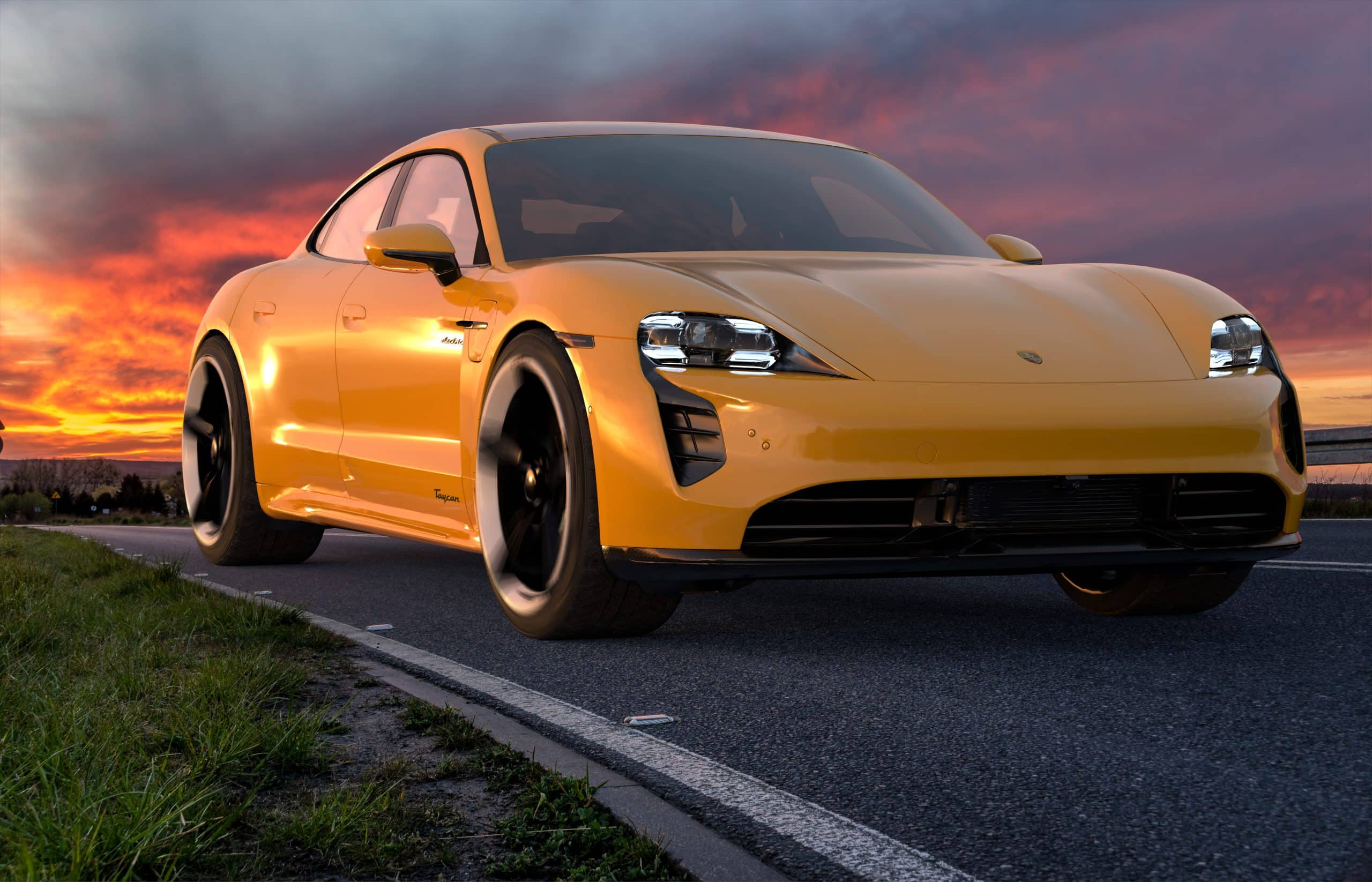
Porsche Taycan electric sports car. Credits: DepositPhotos/MikeMareen
While most electric cars operate with a single gear, exceptions like the Porsche Taycan feature a two-speed gearbox. Electric vehicles with all-wheel drive utilize two motors with varying gear ratios for efficiency and power.
For instance, a smaller front motor prioritizes efficiency, while a larger rear motor focuses on acceleration. At cruising speed, power distribution may shift between motors for optimal efficiency. Some designs allow the rear motor to disengage entirely, activating only when needed for instant torque upon acceleration.
Simulated manual gearbox
Toyota has developed a ‘simulated manual gearbox’ for electric cars, featuring a clutch pedal and gear stick for manual enthusiasts. However, it is software-controlled and not physically connected to the drivetrain.
This innovation aims to provide manual fans with a familiar experience as manual cars phase out due to government regulations. Hybrid cars utilize automatic transmissions similar to conventional ones, offering multiple ratios during operation, but specific differences depend on the hybrid type.
Copyright @smorescience. All rights reserved. Do not copy, cite, publish, or distribute this content without permission.
Join 20,000+ parents and educators
To get the FREE science newsletter in your inbox!
SUBSCRIBE TO OUR NEWSLETTER
.......... ..........
Subscribe to our mailing list to get updates to your email inbox.