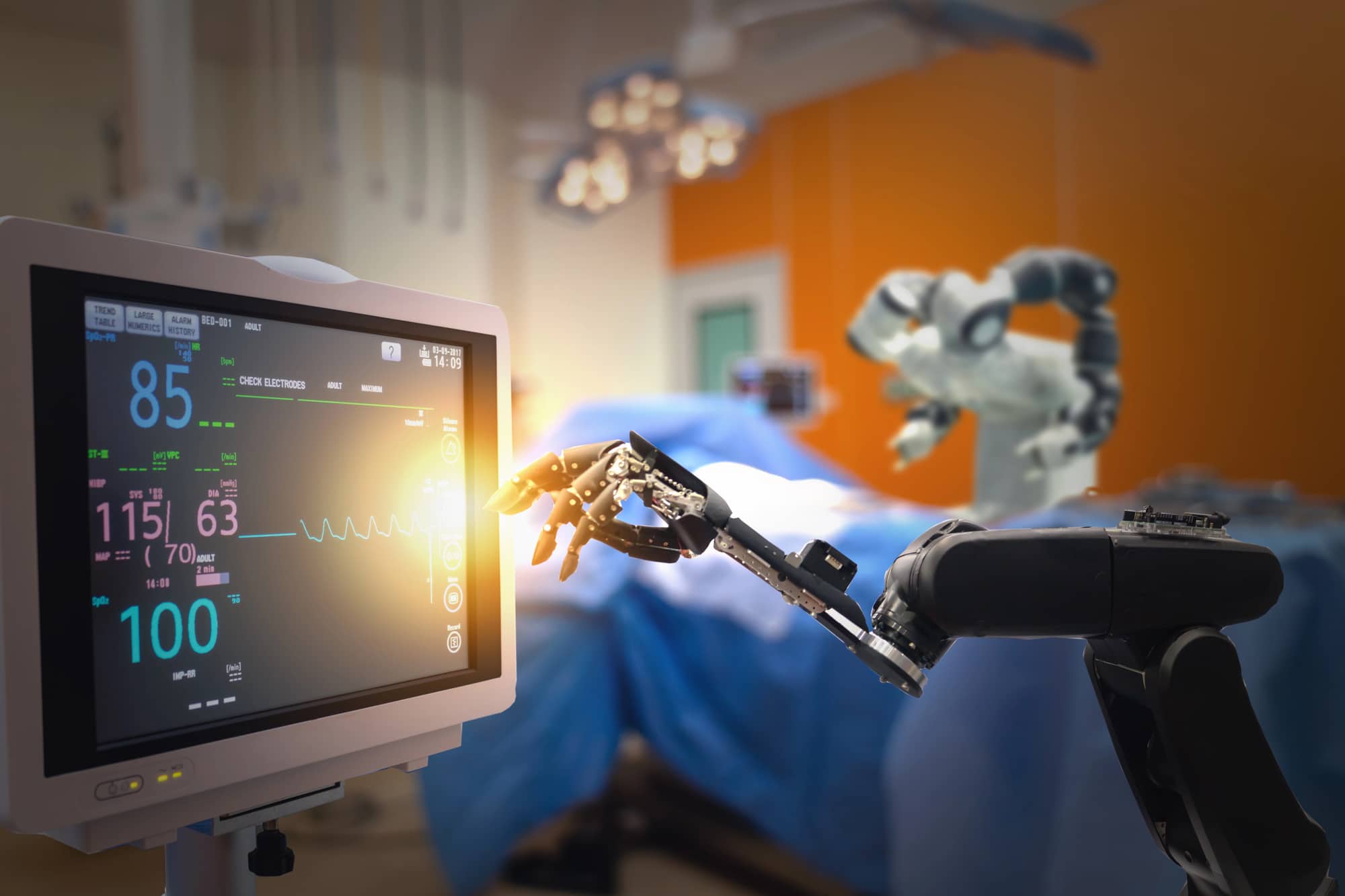
In the movie Big Hero 6, a robotics student creates a blobby, friendly-looking robot named Baymax. Baymax was way more than a vacuum cleaner or drone. It was designed to provide medical care. Scientists and engineers around the world are working to design something very similar. They want to create robots that help people, especially the elderly or disabled, in their daily lives. These are known as care robots. They make life easier and safer for people who might need some extra help.
Robots already help healthcare workers around the world
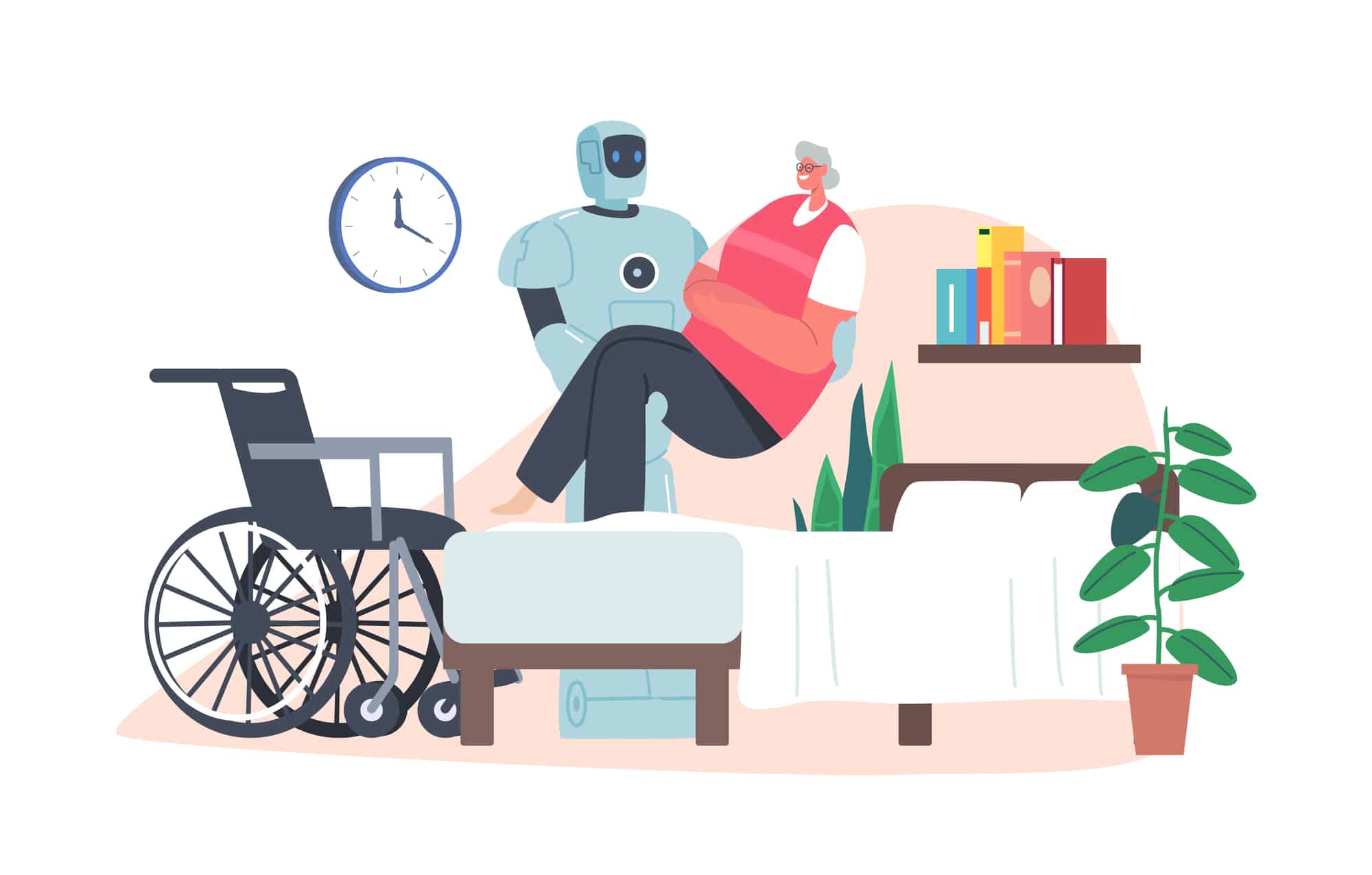
As people get older, everyday activities can become a challenge. Walking up and down stairs at home, cooking, and cleaning are all tougher. Some senior citizens may even forget to take life-saving medication. That’s where care robots can come in. These robots can remind someone when to take their medicine, help lift them safely out of bed, or even bring them a glass of water. Some robots can move around the house, talk to the person, and check if they’re okay.
Care robots can also aid caregivers in nursing homes and hospitals. Senior living centers and hospitals are often understaffed, making it difficult for carers to provide enough attention to all residents. Care robots can fill in crucial gaps, helping with escorting the elderly to restrooms or helping them move around.
Robots can help with tasks as simple as fetching a cup of tea!
Scientists believe that care robots don’t need to just be about physical help. They can also be friendly companions. Many elderly people feel lonely, especially if they live alone. Some care robots are designed to talk, play games, or respond to emotions, helping people feel less alone and more connected.
Of course, care robots can’t replace real people or human companionship. But they can make life safer, healthier, and more enjoyable—just like a helpful sidekick. With more research and technology, robots like Baymax might not be just science fiction for much longer!
How do new elder care robots work?
Scientists at MIT have created a super cool robot called E-BAR (Elderly Bodily Assistance Robot) that’s like having a smart, robotic friend that follows grandparents around to keep them from falling down.
This isn’t just any ordinary robot—it’s basically like robotic handlebars that roll around behind older people. The coolest part? It can do three things at once: help people walk, catch them if they start to fall, and follow them anywhere they go without getting in the way.
The robot weighs 220 pounds—that’s like three big dogs put together! It’s built super heavy so it won’t tip over when someone leans on it. The wheels are special, too. They can move sideways, forward, backward, and diagonally, just like a shopping cart that can slide in any direction.
But here’s the really awesome part: the robot has 18 connected pieces that work like a giant robotic arm. These pieces can fold and unfold to gently lift someone from a chair to help them stand up, just like how a crane lifts heavy things at construction sites.
The E-BAR also has a secret weapon: instant airbags. The robot has built-in airbags in its arms that can puff up super fast if someone starts to fall. These airbags are soft and won’t hurt when they catch you—kind of like being caught by a giant, gentle pillow that appears out of nowhere. Not too different from Baymax’s body! The researchers believe that E-BAR is the first robot able to catch a falling person without wearable devices or use of a harness. That means no uncomfortable straps or gear to wear!
The scientists tested their robot with an actual older person, and it worked great! The robot helped them bend down to pick things up, reach for stuff on high shelves, and even step out of a bathtuball things that can be really hard when you’re worried about losing your balance.
Robots like E-BAR can help the elderly get in and out of bed every day
“Seeing the technology used in real-life scenarios is really exciting,” says Roberto Bolli for MIT News. He is the graduate student who helped design the robot.
Professor Harry Asada, who leads the research team, explains in MIT News why this robot is so important: “Many older adults underestimate the risk of fall and refuse to use physical aids, which are cumbersome, while others overestimate the risk and may not exercise, leading to declining mobility.”
In other words, it can help the elderly without seeming like it’s helping the elderly. Think of it like having a helpful friend who’s always there when you need them but never gets in your way when you don’t.
Right now, someone has to control the robot with a remote, but the scientists are working on making it smart enough to follow people around automatically. This incredible invention could help millions of grandparents stay safe and independent in their own homes!
Can robots really solve challenges in healthcare?
As cool and futuristic as robot helpers are, scientists believe that we’re still a long way from robots that work without the help of human beings. A lot of researchers also believe that robots shouldn’t work without the help of human beings.
Researcher James Wright studied care robots that were being deployed in senior homes in Japan. He found that robots were overwhelmingly making things more difficult for caregivers. They got stuck in awkward spots, or ran out of batteries. They were fragile, often breaking down. Robots trained in the U.S. struggled with local dialects and the cultural contexts of Japan.
More than physical assistance robots, caregivers are concerned about emotional support robots. A team in Japan created a fuzzy seal robot which looked like a stuffed animal. It could move on its own and even make noises! Unfortunately, a patient with dementia developed an unhealthy attachment to it. She wouldn’t walk, eat, or sleep without it. It took a human nurse to notice the issue and address it.
Should robotics and elder care go hand in hand?
Many healthcare professionals think that problems of scarcity need to be solved first: better wages for workers, and more hospitals and facilities. What do you think? Are robots just what we need to solve the elder care crisis? Or are they a small way to fix a much bigger problem?
Yamini's (he/they) interests lie in environmental education, science communication and trying to build a better world. When not languishing in front of his laptop, they can be found outside, poking at any insect, bird or plant. They love making science accessible, especially to those who aren't encouraged to pursue it. Yamini hopes that the young women who read Smore love learning from their articles and get just a little bit more excited about science!