Alcoholism is a complex condition, with various studies showing that about 50% of the risk comes from genetics. While there isn’t one specific alcoholism gene that causes alcohol use disorder, certain gene combinations can make someone more likely to become a heavy drinker.
Recognizing this genetic link, scientists have been exploring new therapeutic strategies to tackle alcoholism at its roots. One exciting medical technology is gene therapy, which tries to fix problems at the genetic level. Gene therapy hasn’t disappointed so far, the evidence being FDA-approved gene therapy products for several difficult-to-treat diseases, including cancer, hemophilia, spinal muscular atrophy, and sickle cell disease.
So, the big question is: Can this miraculous gene therapy also be a solution for alcoholism?

New Study Shows Gene Therapy’s Potential to Treat Alcoholism
Gene therapy might offer a one-time, lasting treatment for people struggling with alcohol use disorder or severe alcohol addiction, according to a recent study led by researchers at The Ohio State University Wexner Medical Center and College of Medicine and published in the journal Nature Medicine. The study offers new hope for those struggling with alcohol addiction, a condition that affects millions and causes extensive personal, social, and financial impacts worldwide. The new research on gene therapy included a study on macaque monkeys, which, like humans, can develop a preference for alcohol. Researchers found that a group of monkeys predisposed to heavy drinking saw their alcohol consumption drop dramatically after receiving gene therapy.
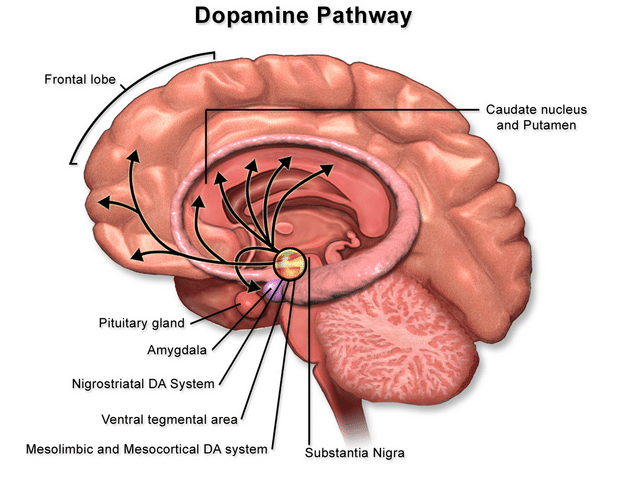
The gene therapy was designed to target the dopamine reward system in the brain, which plays a crucial role in addiction. Chronic drinking depletes dopamine levels, and the therapy was intended to work by reversing this damage.
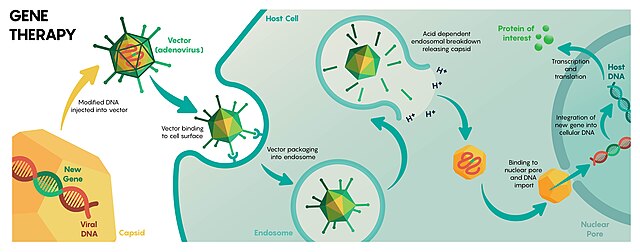
Using a harmless virus, the researchers delivered the gene for a protein called glial-derived neurotrophic factor (GDNF) to a specific region of the brain responsible for addiction and reward. The procedure was carried out in four alcohol-addicted macaques and magnetic resonance imaging (MRI) was used for the precise delivery of the treatment. The therapy boosted dopamine production in the brain cells, resetting the monkeys’ desire for alcohol.
With its success in animals, the results suggest the potential for a similar approach in humans, promising a long-term solution to a condition that has been notoriously difficult to treat.
Key Findings of GDNF Gene Therapy for Alcohol Use Disorder
To explore the practicality and effectiveness of delivering gene therapy to reduce alcohol consumption, the researchers included eight male rhesus macaques in their study, out of which four macaques received an infusion of the AAV2-hGDNF vector directly into the ventral tegmental area (VTA) of the brain. The remaining four macaques, serving as the control group, were given a sterile saline infusion following the same surgical procedure.
The main findings of the study were:
- Sharp Decline in Alcohol Consumption: The macaques treated with GDNF gene therapy reduced their alcohol consumption by up to 90%, showing a major drop in how much they drank.
- Long-Lasting Effects: For most weeks during the course of the study, the treated macaques had no alcohol in their blood, indicating that the gene therapy helped them maintain sobriety for an extended period.
- Control Group Continued Drinking: The macaques that received a placebo continued to drink heavily and had high levels of alcohol in their blood, demonstrating that the GDNF treatment was effective.
- Restoration of Dopamine Levels: The treatment helped restore dopamine levels in the brains of the macaques, which is important for regulating pleasure and reward. This might have helped reduce their cravings for alcohol.
The study establishes the dopamine reward pathway as a promising target for treating alcoholism. By focusing on this pathway, researchers can unlock new treatment options that address the genetic factors including the alcoholism genes that are linked to excessive drinking behavior.
Is Gene Therapy the Future of Alcoholism Treatment?
The 2023 National Survey on Drug Use and Health reports that there are an estimated 28.1 million adults and nearly 757,000 adolescents who suffered from the condition in the past year. Current treatments, including pharmacotherapies, often fail to prevent relapse, leading to a frustrating cycle of abstinence and relapse in many patients. This challenge prompted scientists to further investigate novel treatments like gene therapy that can provide sustained relief to patients.
The GDNF study using an animal model suggests that we are on the brink of a new era in medicine, one where gene therapy could transform the way severe alcohol addiction is treated.
However, the exact mechanisms behind this therapy are still unclear. It is believed that GDNF gene therapy may increase dopamine production in the brain or slow its removal, which can subsequently help to regulate cravings for alcohol. It might also be involved in boosting levels of other brain chemicals like serotonin and noradrenaline.
Despite the excitement, more research is needed to fully understand how this therapy works, optimize its effectiveness, and determine whether it can become a mainstream treatment for alcoholism.
It is also important to note that gene therapy can’t be a one-size-fits-all solution for all alcoholics. GDNF gene therapy involves brain surgery and is irreversible. The risks and complexities of such a procedure mean that it should only be considered for people whose lives are at stake because of alcohol misuse.
References
Ford, M.M., George, B.E., Van Laar, V.S. et al. GDNF gene therapy for alcohol use disorder in male non-human primates. Nat Med 29, 2030–2040 (2023). https://doi.org/10.1038/s41591-023-02463-9
Ma, H., & Zhu, G. (2014). The dopamine system and alcohol dependence. Shanghai archives of psychiatry, 26(2), 61–68. https://doi.org/10.3969/j.issn.1002-0829.2014.02.002
https://www.mayoclinic.org/tests-procedures/gene-therapy/about/pac-20384619
https://www.addictioncenter.com/alcohol/genetics-of-alcoholism/
https://www.niaaa.nih.gov/publications/brochures-and-fact-sheets/understanding-alcohol-use-disorder
Copyright @smorescience. All rights reserved. Do not copy, cite, publish, or distribute this content without permission.
SUBSCRIBE TO OUR NEWSLETTER
.......... ..........Subscribe to our mailing list to get updates to your email inbox.
Monthly Newsletter