Pine trees are one of the most familiar and beloved trees in the world. These majestic trees can be found in almost every corner of the globe, from the borealforests of Canada to the alpinemeadows of New Zealand. They’re also very unique. They’re gymnosperms. Unlike the apple trees and flower hedges we see around us every day, these types of plants are particularly special. They don’t produce any flowers or fruit!
Gymnosperms just produce seeds. Literally, the word gymnosperm translates to “naked seed.” These seeds are produced and then stored by structures known as pine cones. Each pine tree has the potential to produce thousands if not tens of thousands of pinecones annually.
There are over 120 different species of pine all over the world and, depending on the species, each pine produces a distinct type of cone that contains a particular quantity of seeds. For example, the ponderosa pine is a super common pine tree found across the United States of America. This species in particular produces pine cones that each contain 40 to 60 seeds. On the other hand, Pino Paraná, a species of pine commonly found in Argentina, can produce around 100 seeds per pine cone.
Pine cones make for pretty decoration but the burning question on everyone’s mind...can you eat them? Credit: Wikimedia/Øyvind Holmstad
Every time when autumn and winter roll around, we’re accustomed to seeing these cones used as part of Thanksgiving and Christmas décor; but beyond décor, do these cones have any real value?
Yes! From crafts and home décor to medicine and food, pinecones are versatile and valuable resources that have been utilized by humans for thousands of years.
For example, pine cones are prized possessions in perfumery and aromatherapy. They’re collected in large numbers and then processed to be distilled. Once distilled, the oils present within these cones are extracted and then sold as essential oils.
Squirrels and chipmunks love snacking on pine nuts. Credit: Wikimedia/Saintfevrier
The cones can even be used as animal feed. From bears to rabbits to even chickens, many different animals snack on pine cones as part of their diet. In fact, pine cones are a pretty good source of fiber and can be used as enrichment feed for chickens. The chickens end up spending hours together pecking and gnawing at the scales of the cones to access the seeds that grow inside them.
Are pine cones something you can munch on?
Well, the answer isn’t a simple “yes” or “no.” You see, with over 120 different species of pine trees around the world, each producing its own unique cones, not all cones are created equal when it comes to edibility. While many pine cones are safe to eat, others may not produce edible seeds (aka pine nuts) or even be safe to consume at all. For instance, pine cones that are covered in resin or have a bitter flavor should be avoided, as they may contain harmful substances like terpenesand tannins. Meanwhile, some pine cones, like those from the Monterey pine, may not be toxic, but they simply taste bad.
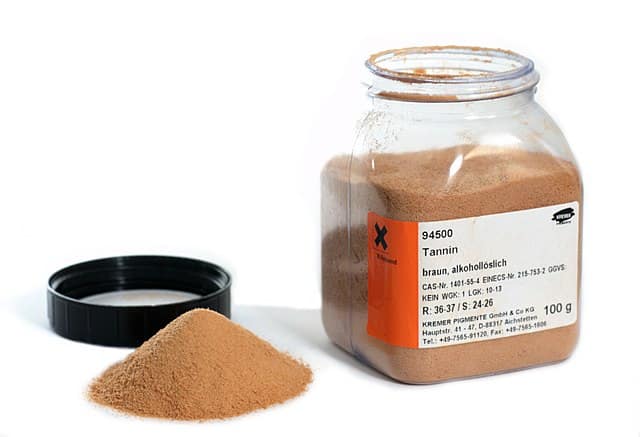
Tannins are found in a lot of foods like cereals and cacaos as well, but can irritate the digestive tissue, leading to side effects like nausea or stomach ache. Credit: Wikimedia/Simon A. Eugster
Although pine cones are technically edible for humans and many animals, most creatures don’t chow down on the cone itself. Instead, critters like squirrels and chipmunks use their sharp teeth to break open the cone and access the pine nuts inside. So, while it’s possible to eat pine cones, it’s not a common practice for most animals—including us humans.
How do humans consume pine cones?
Records of human consumption of pine nuts for culinary purposes date back further than you might think. As early as the Palaeolithic period, or the Stone Age period, back when woolly mammoths and smilodonswalked amongst us, early humans snacked on the nuts or seeds they’d collect from pine cones.
A Persian rice dish made with pine seeds. Credit: Wikimedia/Assayas
Similarly, flash forward a few eras to the age of the Greeks and Romans, when civilization advanced to learn the art of cooking. The ancient Greeks and Romans learned how to incorporate pine nuts into their cooking
Finally, pine nuts were also a popular food source for Native American tribes in North America. They were also a staple food for many indigenous peoples in Asia and Europe.
While it’s unclear when humans first began eating pine nuts (the Stone Age is just the earliest known instance), it’s likely that they have been used for food and medicine for centuries. In traditional Chinese medicine, for example, pine cone extracts have been used for their anti-inflammatory and analgesic properties. While pine cones themselves are technically edible, humans typically do not eat them directly. As mentioned earlier, pine cones contain pine nuts, which can be harvested and used in a variety of culinary dishes. To extract the pine nuts, the pine cones must be heated or baked to open up the cones and loosen the seeds inside. Once the pine nuts are extracted, they can be roasted, salted, or used in a variety of recipes, including salads, pestos, and desserts. So, while we don’t eat pine cones in their entirety, we can still enjoy the nutritious and flavorful pine nuts that they produce, and use pine cones to make tea or as a source of fiber.
Conclusion
In conclusion, the question of whether pine cones are edible is not a simple one to answer. While it’s true that many species of pine produce edible pine nuts, not all pine cones are edible or even produce edible seeds. It’s important to identify the specific species of pine before attempting to consume any part of the tree, including its cones. Always do your research and exercise caution when trying new foods or remedies.
Are pine cones edible? Depends on the species of pine cone you’re talking about. Credit: Wikimedia/Petar Milošević
Glossary
Boreal: Relating to the north
Alpine: Relating to high mountains
Terpenes: An organic chemical that is especially prevalent in citrus plants and conifers. It has a strong and distinct smell and is what gives conifers like pine trees their musky or minty aroma.
Tannins: Bitter-tasting organic chemicals found in a few types of food and drinks like black tea and wine.
Palaeolithic Period: A period of time between 2,500,000 to 200,000 years ago. This particular period of time is also called the Old Ice Age.
Casas-Agustench, P., Salas-Huetos, A., & Salas-Salvadó, J. (2011). Mediterranean nuts: origins, ancient medicinal benefits and symbolism. Public Health Nutrition, 14(12A), 2296–2301. https://doi.org/10.1017/s1368980011002540