Animals across the kingdom demonstrate remarkable maternal instincts, guiding their young through survival challenges with care and dedication. Here are ten extraordinary examples of parents going above and beyond for their offspring.
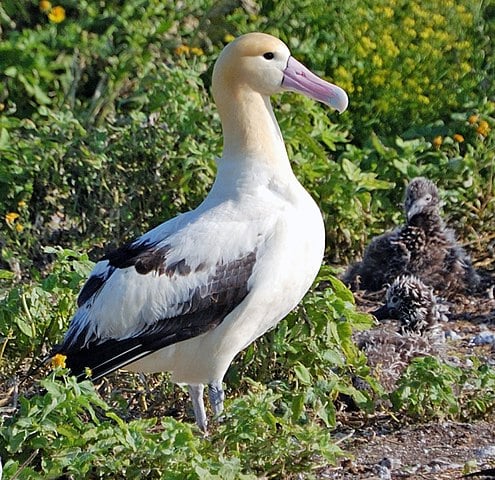
Scientific Facts: The longevity of albatrosses, which can live for over 60 years, allows them to develop strong bonds essential for their parenting success. Their ability to navigate and return to the same nesting sites after traveling thousands of miles demonstrates their navigational skills, which are a subject of ongoing research combining ornithology and satellite tracking technologies.
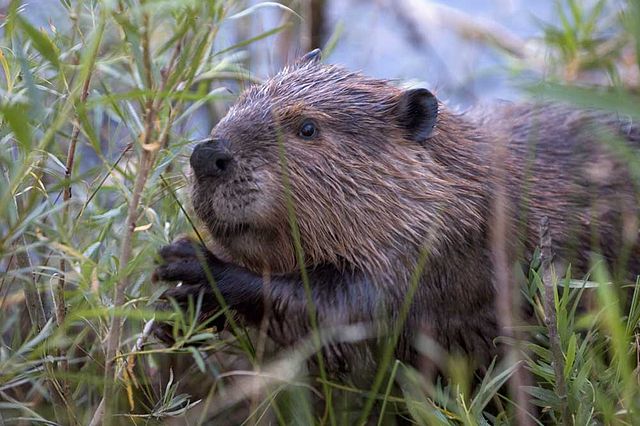
Parenting Habits: Beavers are exceptional parents, creating secure environments for their offspring by building elaborate lodges with underwater entrances. These structures protect young beavers from predators. Beaver families work together to construct and maintain dams and lodges, with young beavers learning essential survival skills through observation and participation.
Scientific Facts: The social structure of beaver colonies emphasizes the importance of family bonds and teamwork in animal behavior. Beavers’ environmental impact, through their dam-building activities, demonstrates their role as ecosystem engineers. While some might consider beavers pests, they can help us manage water-related issues, including drought, flooding, and water pollution.
8- Octopuses
Octopus, Credit; Wikimedia/Betty Wills (Atsme)
Where they live: Octopuses are found in every ocean, from the shallows to the deep sea.
Scientific Facts: This case of maternal sacrifice highlights a unique strategy in evolutionary biology, focusing on offspring instead of the parent’s life. Researchers study this behavior to understand the evolutionary trade-offs between parental care and longevity, providing insights into the diversity of reproductive strategies in the animal kingdom.
7- Lions
Lion, Credit; Wikimedia/
Charles J. Sharp
Where they live: Lions are primarily found in sub-Saharan Africa, with a small population in India’s Gir Forest.
Scientific Facts: The social structure of a lion pride, emphasizing cooperative care, provides a rich field for studying social behaviors and the evolution of group living. The International Union for the Conservation of Nature (IUCN) lists lions as vulnerable to extinction, and it is estimated that fewer than 25,000 lions remain in Africa.
6- Dolphins
Dolphins, Credit; Wikimedia/Noah Wulf
Where they live: Dolphins are widely distributed, living in the shallow seas of continental shelves worldwide.
Scientific Facts: Dolphins are highly social animals, known for their playful nature and learning capacity. For instance, dolphins engage in cooperative hunting, use tools, and recognize themselves in mirrors, demonstrating their exceptional self-awareness and cognitive abilities. Furthermore, scientists have documented that dolphins have a sophisticated language, since they can communicate and express complex ideas using an extensive repertoire of acoustic signals.
5- Gorillas
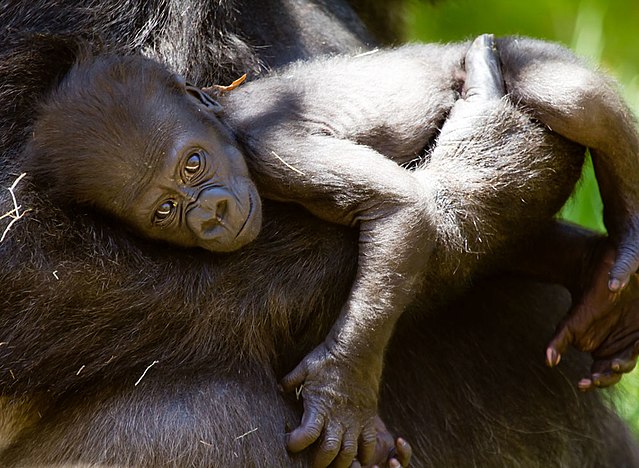
Gorilla, Credit: Wikimedia/Becker1999
Where they live: Gorillas live in the dense forests of central Africa, with their habitat ranging from lowland swamps to montane forests.
Parenting Habits: Gorilla mothers are incredible parents, nurturing and maintaining close physical contact with their infants for the first several months of life. Young gorillas constantly contact their mothers for their first six months and nurse for about 2.5 to 3 years. The bond between mother and offspring is strong, with young gorillas depending on their mothers for protection and socialization. Initially, gorilla mothers carry their babies everywhere against their chests, and then later have them ride on their backs. Male gorillas, particularly silverbacks, also play a protective role, overseeing the safety of the group’s young. Gorilla infants grow much faster than humans. They start playing, smiling, and bouncing at eight weeks.
Scientific Facts: Gorillas’ complex social interactions and emotional bonds challenge the perception of primates and provide a window into the ancestral behaviors that may have shaped human evolution. In fact, gorillas are kind giants and display many human-like behaviors and emotions, including laughter and sadness. This is unsurprising because gorillas share 98.3% of their genetic code with humans.
Parenting Habits: Wolf packs are familial groups where both parents play active roles in raising their offspring. Pups are taught hunting skills and social behaviors through play and observation, benefiting from the collective wisdom of the pack. All the wolves in a pack help take care of the pups. When the pups are very small, other pack members bring food to the mother so she does not have to leave the den. The alpha pair’s parenting leadership ensures the pups’ survival and education, reinforcing the pack’s cohesion.
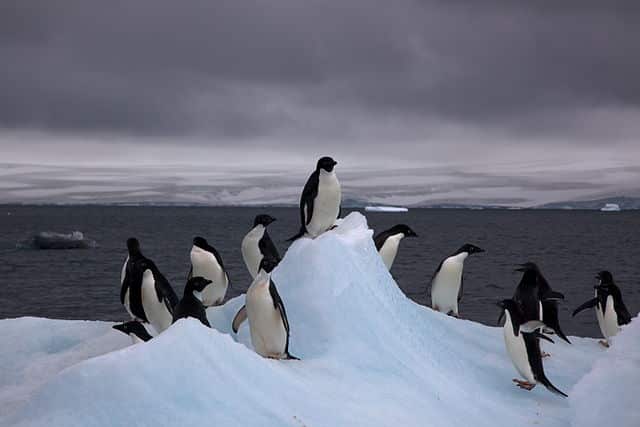
Where they live: Penguins are primarily found in the Southern Hemisphere, with the most significant concentrations in Antarctica, though some species inhabit warmer climates.
Parenting Habits: Penguins are exemplary parents, with species like the emperor penguin enduring the harsh Antarctic winter to incubate their eggs. Both parents share the responsibility of raising their chicks. Penguin parents alternate shifts, with one parent guarding the eggs and the other responsible for searching for food. This cooperative approach allows parents to fulfil their nutritional needs while ensuring the eggs remain protected and warm in one of the most extreme environments on Earth. When the eggs hatch, the parents continue to work together, feeding and caring for the young penguins until they are strong enough to live independently.
Scientific Facts: Studies of penguin behavior contribute to understanding the impacts of climate change on sensitive ecosystems, as these birds are indicators of ocean health. They are considered sentinels and provide important information about changing ecosystems. So, the presence, absence, or abundance of penguins reflects the surrounding environmental conditions and any changes in stability.
2- Orcas
Orca, Credit; Wikimedia
Where they live: Orcas, or killer whales, are found in all oceans, from the polar seas to the equator.
Scientific Facts: Despite being classified as data deficient by the International Union for Conservation of Nature, orca populations are diminishing. Their decline is attributed to a combination of factors: contamination from toxic chemicals such as PCBs; a decrease in the numbers of chinook salmon, their primary food source; and noise pollution from marine vessels. Therefore, researchers are providing evidence for conservationists to protect orcas from these threats.
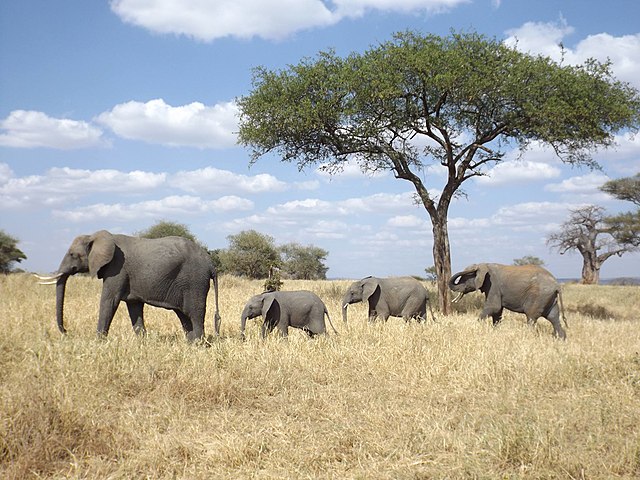
Parenting Habits: Elephants are renowned for their strong parenting behaviors and sophisticated social structures. Elephant herds are led by a matriarch, usually the oldest and most experienced female, with all herd members playing a role in protecting and teaching the calves. The matriarch is essential in guiding the group, finding food and water sources, and protecting the herd from potential dangers. This communal care model ensures that the young receive a wealth of knowledge about social interaction, migration routes, and survival skills.
Scientific Facts: Research into elephant behavior has contributed significantly to our understanding of animal cognition, communication, and emotional capacity. Elephants exhibit behaviors indicative of empathy, cooperation, and mourning, providing a profound glimpse into the emotional lives of animals. Their complex social interactions and memory capabilities have made elephants a focal point in studies on conservation, animal welfare, and the ethical treatment of sentient beings.
Copyright @smorescience. All rights reserved. Do not copy, cite, publish, or distribute this content without permission.
Join 20,000+ parents and educators
To get the FREE science newsletter in your inbox!
SUBSCRIBE TO OUR NEWSLETTER
.......... ..........
Subscribe to our mailing list to get updates to your email inbox.