In our journey toward a more sustainable future, we play a pivotal role. Embracing eco-friendly practices isn’t just about making big changes; it’s about the small, everyday decisions that add to a significant impact. This article explores ten practical ways to be more eco-friendly, offering simple strategies to integrate these changes into our daily lives. Whether you’re a seasoned environmental advocate or just beginning your eco-conscious journey, these tips will help you contribute to a healthier planet.
1. Reduce, Reuse, Recycle: The three R's principle
The cornerstone of eco-friendly living is the three R’s: Reduce, Reuse, and Recycle. Reducing what you consume minimizes waste production, reusing items extends their lifespan and reduces the need for new products, and recycling ensures materials are reprocessed, reducing the need for raw resources. Studies, such as those by the Environmental Protection Agency (EPA), have consistently shown that adhering to these three principles can significantly lessen our environmental footprint.

2. Embrace sustainable transportation
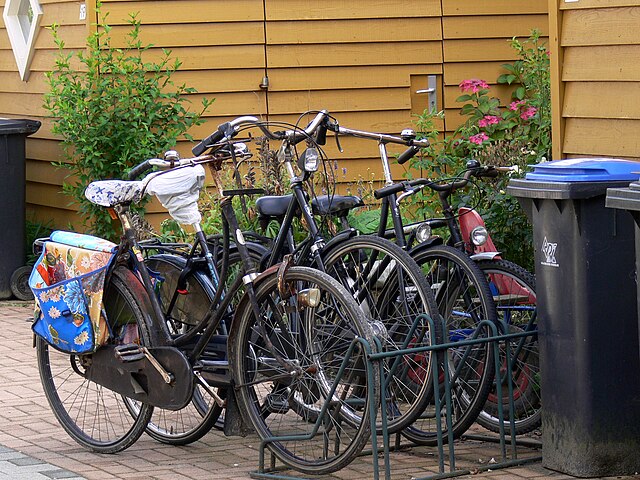
Choosing sustainable transportation methods can drastically reduce carbon emissions. Consider biking, walking, carpooling, or using public transportation for your daily commute. Research published in the *Journal of Transport Geography* highlights the positive impact of choosing low-emission transportation, demonstrating a substantial decrease in air pollution and greenhouse gas emissions.
3. Invest in renewable energy
Transitioning to renewable energy sources, such as solar or wind power, for your home can significantly reduce your carbon footprint. A study in the *Renewable and Sustainable Energy Reviews* journal found that households using renewable energy can cut their carbon emissions by more than half compared to traditional energy sources.

4. Support eco-friendly brands
Purchasing products from companies that prioritize sustainability can drive the market toward greener practices. Look for brands that use recycled materials, have fair trade certifications, and minimize packaging. According to a report by the *Business Strategy and the Environment* journal, consumer demand for sustainable products is a critical driver in encouraging companies to adopt eco-friendly practices.
5. Conserve water
Water conservation is crucial for preserving this vital resource. Simple actions such as fixing leaks, installing low-flow fixtures, and planting drought-resistant plants in our garden make a big difference. The *Journal of Environmental Management* outlines how such measures can lead to significant water savings, highlighting the importance of individual efforts in water conservation.
6. Eat locally and seasonally
Consumption of locally grown, seasonal food reduces the carbon emissions associated with long-distance food transport. Research in the *Journal of Food Policy* indicates that local food systems can significantly lower the carbon footprint of our diets, promoting a more sustainable food network.
7. Minimize plastic use
Plastics, especially single-use plastics, are a significant source of pollution. Opting for alternatives like reusable bags, bottles, and containers can reduce plastic waste. Studies, including those from the *Science* journal, emphasize the critical need to reduce plastic consumption to mitigate its impact on oceans and wildlife.
8. Practice eco-friendly gardening
Eco-friendly gardening practices, such as composting, using native plants, and avoiding chemical pesticides, can enhance biodiversity and support local ecosystems. Research in the *Urban Ecosystems* journal shows how sustainable gardening practices can contribute to urban biodiversity and environmental health.
9. Educate yourself and others
Staying informed about environmental issues and sharing knowledge with others can amplify your impact. Education is a powerful tool for change, as noted in the *Environmental Education Research* journal, which highlights the role of informed citizens in driving environmental policy and practices.
10. Advocate for environmental policies
Engaging in environmental advocacy by supporting policies and initiatives that promote sustainability can lead to broader societal changes. Participation in community efforts, supporting environmental organizations, and communicating with elected officials are ways to advocate for a healthier planet. Studies, such as those by the *Policy Sciences* journal, illustrate the effectiveness of public advocacy in shaping environmental policy.
Incorporating these ten eco-friendly practices into your life can make a substantial difference in protecting our planet. Each small step contributes to a larger movement towards sustainability, demonstrating that everyone has the power to effect positive environmental change. By adopting these simple strategies, you can play a part in fostering a healthier, more sustainable world for future generations.
Frequently Asked Questions (FAQ)
Why is reducing plastic use important?
Reducing plastic use is crucial because plastics are a major source of pollution, harming wildlife and ecosystems, especially in oceans. By minimizing plastic consumption, we can decrease pollution and protect our environment.
Can individual actions really make a difference in fighting climate change?
Yes, individual actions can collectively have a significant impact on fighting climate change. By adopting eco-friendly practices, we can reduce our carbon footprint and encourage societal shifts towards sustainability.
How does eating locally and seasonally benefit the environment?
Eating locally and seasonally reduces the carbon emissions associated with transporting food over long distances. It also supports local economies and promotes sustainable agriculture.
What are the benefits of using renewable energy sources at home?
Using renewable energy sources, such as solar or wind power, reduces reliance on fossil fuels, decreases carbon emissions, and can lead to energy cost savings over time.
How can I advocate for environmental policies effectively?
Advocating for environmental policies can be done by staying informed on issues, participating in community efforts, supporting environmental organizations, and communicating with elected officials to express support for sustainable initiatives.
References
Reducing and Reusing Basics, United States Environmental Protection Agency. https://www.epa.gov/recycle/reducing-and-reusing-basics
Chapman, L. (2007). Transport and climate change: a review. Journal of Transport Geography, 15(5), 354–367. https://doi.org/10.1016/j.jtrangeo.2006.11.008
Jaber, J., Jaber, Q., Sawalha, S., & Mohsen, M. S. (2008). Evaluation of conventional and renewable energy sources for space heating in the household sector. Renewable & Sustainable Energy Reviews, 12(1), 278–289. https://doi.org/10.1016/j.rser.2006.05.004
Pinkse, J., & Bohnsack, R. (2021). Sustainable product innovation and changing consumer behavior: Sustainability affordances as triggers of adoption and usage. Business Strategy and the Environment, 30(7), 3120–3130. https://doi.org/10.1002/bse.2793
Agusdinata, D. B., Hanif, M., Shwom, R., Watkins, D., Floress, K., Cuite, C. L., & Halvorsen, K. E. (2024). Effectiveness of conservation messages to reduce households’ GHG emissions: A serious-gaming experiment. Journal of Environmental Management, 351, 119948. https://doi.org/10.1016/j.jenvman.2023.119948
Pretty, J., Ball, A. S., Lang, T., & Morison, J. I. L. (2005). Farm costs and food miles: An assessment of the full cost of the UK weekly food basket. Food Policy, 30(1), 1–19. https://doi.org/10.1016/j.foodpol.2005.02.001
Simon, N., Raubenheimer, K., Urho, N., Unger, S., Azoulay, D., Farrelly, T., De Sousa, J. G., Van Asselt, H., Carlini, G., Sekomo, C., Schulte, M. L., Busch, P. O., Wienrich, N., & Weiand, L. (2021). A binding global agreement to address the life cycle of plastics. Science, 373(6550), 43–47. https://doi.org/10.1126/science.abi9010
Rees, W. E. (1997). Urban Ecosystems, 1(1), 63–75. https://doi.org/10.1023/a:1014380105620
Mónus, F. (2022). Environmental education policy of schools and socioeconomic background affect environmental attitudes and pro-environmental behavior of secondary school students. Environmental Education Research, 28(2), 169–196. https://doi.org/10.1080/13504622.2021.2023106
Kefeli, D., Siegel, K. M., Pittaluga, L., & Dietz, T. (2022). Environmental policy integration in a newly established natural resource-based sector: the role of advocacy coalitions and contrasting conceptions of sustainability. Policy Sciences, 56(1), 69–93. https://doi.org/10.1007/s11077-022-09485-z
Contributors
-
Sai Sudha, Ph.D.: EditorView all posts
Dr. Sudha Purushothaman with a Ph.D. in Biochemistry has been fascinated by writing for a long, long time. She researches metabolism and its role in pluripotency. Her commitment to research kept her away from writing. Finally, during the pandemic she became a full-time science writer. She strongly believes that curiosity-driven learning harnesses the cognitive skills. She considers that writing is a way of leaving your fossil behind. She enjoys creativity in writing and believes that every article must have a storyboard.
She needs her daily dose of yoga and recommends yoga and meditation for neural connectivity.
The prime attraction in writing and editing for Smore is the target audience, youngsters who need to be inspired to seek STEM as their career.
Copyright @smorescience. All rights reserved. Do not copy, cite, publish, or distribute this content without permission.
SUBSCRIBE TO OUR NEWSLETTER
.......... ..........Subscribe to our mailing list to get updates to your email inbox.
Monthly Newsletter