Proteins Are Miracle Nutrients That Repair And Enhance Muscle Growth

Table of Contents

Introduction: The quest for muscle-building mastery

Building muscle is not just about lifting weights and workouts. What you put on your plate also plays a crucial role. Proteins are the cornerstone of muscle building among the myriad nutrients your bodies juggle daily. This article dives into the fascinating world of protein, exploring this vital nutrient, the MVP in your muscle-building journey.

Protein: The building block of muscles

Proteins are like the bricks that build the house of muscles. They are composed of amino acids , often dubbed life’s building blocks. When you exercise, muscles tear, and the protein repairs these tears; the muscles grow more robust and significant over time. But it’s not just any protein that does the trick; the quality and type of protein are crucial to muscle growth.

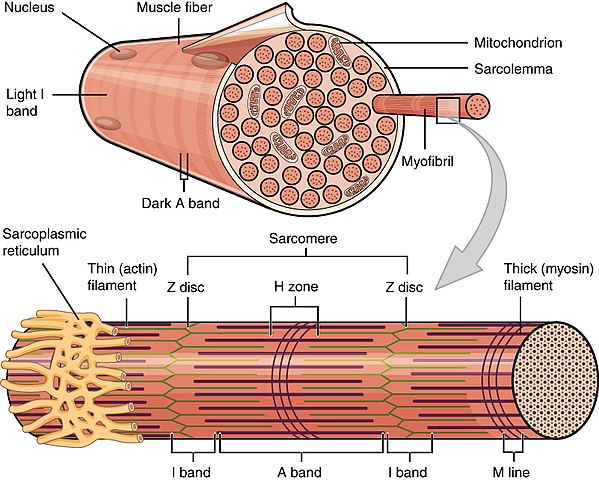
Muscle_Fibers
Muscle Fibers, Credit: Wikimedia/OpenStax

The quality of protein matters

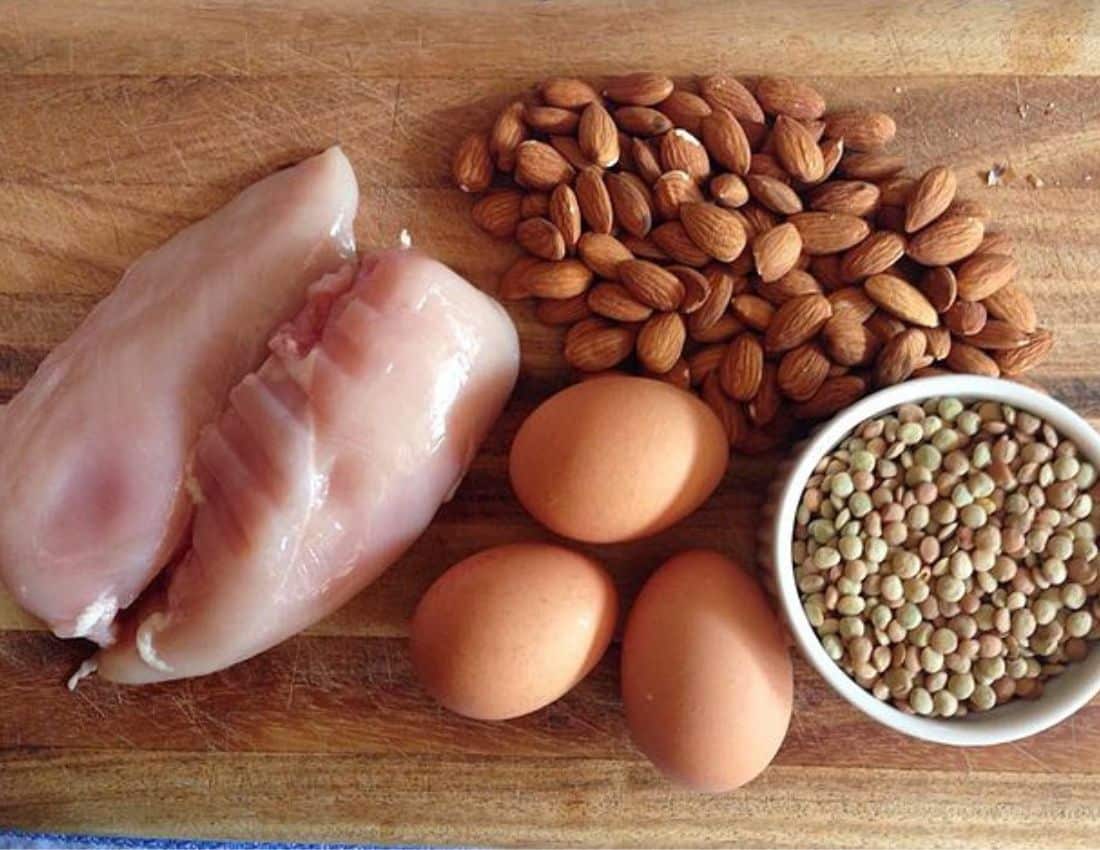
Not all proteins are produced similarly. High-quality proteins containing essential amino acids (EAA) are vital for muscle growth. These amino acids are found in animal products like meat, fish, eggs, and dairy and in plant products such as soy and quinoa. Though proteins are central to muscle development, you should not overconsume them; instead, include a good amount in your diet.

The role of amino acids in muscle repair and growth

Proteins are composed of different amino acids, like different workers on a construction site. Each amino acid has a specific role in building and repairing muscles. Leucine , for instance, is particularly good at initiating muscle protein synthesis . A study published in the Journal of Nutrition highlighted the importance of leucine in improving muscle protein synthesis after exercise.

Balancing protein with other nutrients

While proteins are essential, it’s not the only player in the game. Carbohydrates and fats are also equally important. Carbohydrates refuel your energy stores, while fats are necessary for hormone production, including those involved in muscle growth. A balanced diet ensures your body gets all the nutrients required to support muscle growth.

Timing of protein intake

The timing of protein intake also influences muscle growth. Consuming protein immediately after a workout can enhance muscle repair and growth. A study in the Journal of the International Society of Sports Nutrition found that protein intake immediately after exercise promotes greater muscle protein synthesis.

Protein supplements: a helping hand

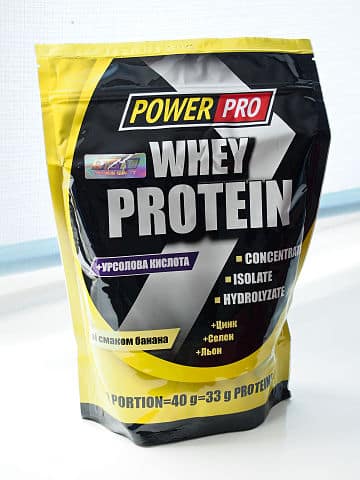
For some people, the protein needed through diet alone is insufficient, and hence need to take protein supplements. Whey protein , for example, is popular due to its high-quality amino acid profile and fast absorption rate. However, these supplements should complement, and not replace, a balanced diet.

_Whey_Protein
Power Pro - Whey Protein, Credit: Wikimedia/Amakuha

The risks of excessive protein intake

Surplus protein doesn’t always mean more muscle. In fact, excessive protein intake can have adverse effects, such as kidney strain and dehydration. Hence, it’s important to find a balanced diet, and not exceed the recommended daily protein intake, which varies based on factors like age, sex, and activity level.

Vegetarian and vegan considerations

For vegetarians and vegans, getting enough high-quality protein can be challenging but is certainly doable. Plant-based proteins such as lentils, chickpeas, and tempeh are great options for their high protein content. It’s important to combine different plant proteins to get all essential amino acids.

Conclusion: A holistic approach to muscle building

While protein is undoubtedly essential in muscle building, it’s part of a bigger picture. A balanced diet, proper hydration, adequate sleep, and a well-rounded exercise regimen all contribute to optimal muscle growth. Remember, the journey to muscle building is a marathon, not a sprint. Fuel your body right, and it will thank you with the gains you seek.

Glossary

Protein Synthesis: The process by which cells build proteins from amino acids. Proteins are crucial for muscle repair and growth after exercise.


Amino Acids: Organic compounds that combine to form proteins, often referred to as the building blocks of proteins.


Leucine: An essential amino acid that is key in initiating muscle protein synthesis.


Muscle Protein Synthesis: Building muscle proteins is essential for muscle growth and repair.


Whey Protein: A high-quality protein derived from milk, known for its rich amino acid profile and fast absorption by the body.

Norton, L. E., & Layman, D. K. (2006). Leucine Regulates Translation Initiation of Protein Synthesis in Skeletal Muscle after Exercise. The Journal of Nutrition, 136(2), 533S537S. https://doi.org/10.1093/jn/136.2.533s


Stark, M., Lukaszuk, J., Prawitz, A., & Salacinski, A. (2012). Protein timing and its effects on muscular hypertrophy and strength in individuals engaged in weight-training. Journal of the International Society of Sports Nutrition, 9(1), 54. https://doi.org/10.1186/1550-2783-9-54
Contributors

  • Sai Sudha

    Dr. Sudha Purushothaman with a Ph.D. in Biochemistry has been fascinated by writing for a long, long time. She researches metabolism and its role in pluripotency. Her commitment to research kept her away from writing. Finally, during the pandemic she became a full-time science writer. She strongly believes that curiosity-driven learning harnesses the cognitive skills. She considers that writing is a way of leaving your fossil behind. She enjoys creativity in writing and believes that every article must have a storyboard.
    She needs her daily dose of yoga and recommends yoga and meditation for neural connectivity.
    The prime attraction in writing and editing for Smore is the target audience, youngsters who need to be inspired to seek STEM as their career.

    View all posts

Copyright @smorescience. All rights reserved. Do not copy, cite, publish, or distribute this content without permission.


Join 20,000+ parents and educators
To get the FREE science newsletter in your inbox!